After the Storm: What to Check Around Your Home Immediately

.jpg)
When the rain stops, most people just move on. The noise is gone, the sky clears, and everything looks… fine. At least at first glance.
But if you step outside and actually look around, it rarely feels exactly the same. The ground looks heavier. Some spots hold water longer than they should. Things feel slightly off, even if you can’t explain why right away.
That’s the moment people usually ignore. Nothing is obviously broken, so it feels safe to do nothing. But right after a storm is often when you can see the earliest signs of how your home reacted to it.
Start with the Ground Around Your Home
Before looking at the house, look at the ground. That’s where everything starts anyway.
After heavy rain, the soil doesn’t behave evenly. Some areas absorb more water, some shift, some stay compact, while others loosen up. You won’t always see dramatic changes, but you can feel the difference if you walk slowly and pay attention.
Look for simple things, nothing complicated:
- Water that just sits there long after the rain is gone
- Spots where the ground feels softer than usual
- Areas where water seems to return every time it rains
- Sections where the surface slightly leans toward the house
None of this looks urgent. That’s exactly why it gets missed. But these small details usually show how pressure around the foundation starts to change.
Check the Exterior Walls and Foundation
Once you’ve looked at the ground, walk around the house. No rush. Just go around it once without overthinking.
Then take another look, a bit more focused.
- Lines that didn’t stand out before
- Cracks that look just a bit more noticeable
- Small gaps where materials don’t sit as tightly as they used to
- Places where dirt or water has collected against the wall
Nothing here usually looks serious on its own. That’s the tricky part. Early changes almost never look like a problem.
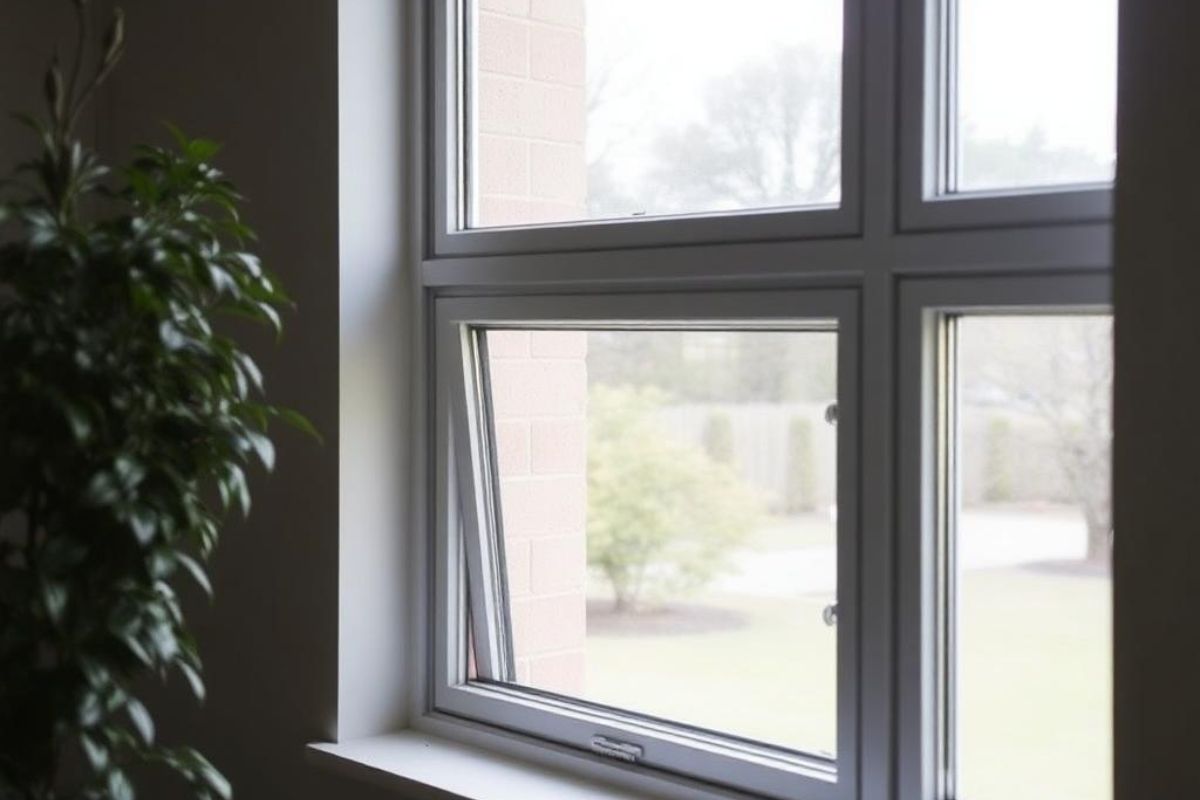
Look at Doors, Windows, and Frames
Sometimes, the first thing you notice isn’t outside at all. It’s how things feel when you open them.
After the ground shifts even slightly, the structure can react in small ways. Not enough to cause damage, but enough to feel different.
- A door that needs a bit more force than before
- A window that doesn’t slide as smoothly
- A frame that feels just slightly off
It’s easy to blame humidity or temperature. And sometimes that’s true. But not always.
Water Inside the Home
Even if everything outside looks normal, it’s worth checking inside.
Water has a way of showing up quietly. Not in obvious leaks, but in small changes.
- A darker patch on a wall or near the floor
- A faint smell that wasn’t there before
- Air that feels heavier in certain areas
- Corners that seem slightly damp to the touch
These things are easy to overlook, especially if they’re subtle. But once moisture gets in, it tends to stay longer than expected.
.jpg)
Don’t Ignore Drainage Signals
Drainage issues don’t usually look dramatic. They show up as habits. Water behaves the same way every time it rains.
After a storm, you can see it clearly if you pay attention.
- Water coming out of downspouts and staying too close to the house
- Gutters spilling over in certain spots
- Visible paths where water keeps flowing
- Low areas that slowly collect runoff
It’s not about one storm. It’s about repetition. That’s what changes the ground over time.
Why Small Changes Matter More Than Big Ones
Big problems are obvious. You don’t need to search for them. What matters are the small shifts. The ones that don’t feel important yet.
A patch of soft ground. A small crack. A door that feels slightly different. None of these push you to act. But they rarely show up alone.
After a storm, the ground absorbs water, pressure changes, and the structure adjusts. Most of that happens quietly.
When to Take It Seriously
Not every change means something is wrong. But patterns are hard to ignore once you notice them.
Pay attention if things repeat:
- Water gathering in the same place after every storm
- Cracks showing up or changing after heavy rain
- Doors or windows behaving differently in the same spots
- Moisture appearing inside more than once
One-time changes happen. Repeated ones usually mean something is going on underneath.
How Professionals Look at Post-Storm Changes
What looks random to most people usually isn’t random at all. It just doesn’t make sense yet.
When experienced teams look at a property after a storm, they don’t focus on one thing. They connect everything. Ground conditions, how water moved, how the structure reacted, and where pressure shifted. It’s a bigger picture, not a checklist.
Teams like Church Foundation Repair tend to approach it that way. Not by jumping straight into solutions, but by figuring out what actually changed and why.
Especially in areas like Texas, where soil reacts strongly to moisture, that context matters. A storm doesn’t just pass and disappear. It leaves the ground behaving differently for a while, and that’s where most early issues begin.

What You Can Do Right Away
You don’t need anything special to get a sense of what’s going on. Just take a few minutes and look around properly.
- Walk the property once things start drying
- Notice anything that feels different, even if you can’t explain it
- Take a few photos so you can compare later
- Check if water is sitting near the foundation
It’s simple, but it gives you a reference point.
The Cost of Missing the Moment
Most issues after a storm don’t start big. They build slowly. Water sits where it shouldn’t. Soil shifts just enough. The structure reacts a little. Nothing urgent. Nothing that forces you to act.
Until later.
Waiting isn’t always the problem. Not noticing is. The earlier you understand what changed, the easier it is to deal with it. Leave it long enough, and options start to narrow.
Look Before It Becomes a Problem
After everything dries up, the house looks normal again. That’s usually where people stop paying attention.
But right after the storm, there’s a short window where you can actually see how your home handled it. Where water moved. How the ground reacted. What shifted, even slightly.
You don’t need to assume something is wrong. You just need to notice what’s different while it’s still easy to see.


.svg)
.jpg)