Autumn Pantry Organization Ideas: Smart Ways to Store Seasonal Foods

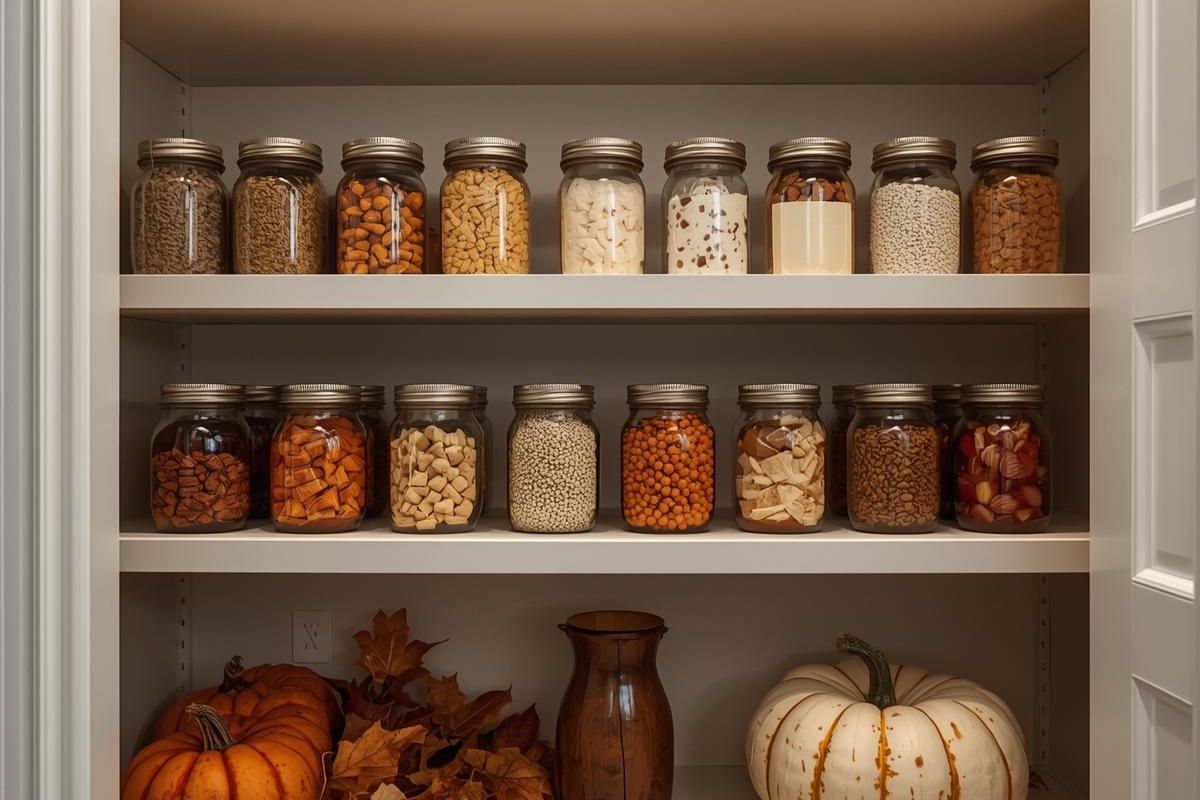
Zone shelves for autumn staples: baking up top, grains center, produce low—label each. Separate ethylene makers (apples) from sensitive items (greens) and keep a ripeness/use checklist. Use airtight, opaque jars for spices, tight-seal containers for nuts; stash extras in the fridge/freezer. Date everything, run FIFO, and mark open/half/urgent. Optimize with clear bins, tiered risers, and lazy Susans. Stock a “Tonight” basket with pre-portioned proteins and snacks. Simple tweaks now help you cook faster and waste less—there’s more.
- Assign seasonal zones: top shelf for baking, middle for grains, bottom for produce; label each zone for quick restocking and gap spotting.
- Store autumn spices and nuts in airtight, opaque jars; keep extra nuts/seeds in the fridge or freezer to extend freshness.
- Separate ethylene producers (apples, pears) from sensitive produce (squash, greens) and use a ripeness checklist to plan weekly use.
- Use clear bins, tiered risers, and a lazy Susan for oils and syrups; measure shelves to fit bins and improve label visibility.
- Implement FIFO with color-coded dots for open/half/urgent items; schedule weekly checks to rotate stock and prevent waste.
Create Seasonal Zones for Produce, Grains, and Baking Essentials
As temperatures drop, divide your pantry into clear autumn zones: produce, grains, and baking essentials. Assign shelves: top for baking, middle for grains, bottom for produce. Label each zone so you can restock quickly and spot gaps fast.
For produce preservation, separate ethylene producers (apples, pears) from sensitive items (squash, potatoes). Use ventilated bins, rotate oldest forward, and keep onions away from potatoes. Add a checklist for ripeness and weekly use.
For grain selection, group by type and cooking time: oats, rice, quinoa, couscous, farro. Place quick-cook grains at eye level for weeknights; stash bulk bags behind decanted, ready-to-pour portions. In baking, corral flours, sugars, leaveners, and seasonal add-ins. Post a simple inventory and reorder thresholds to prevent overbuying.
Use Airtight Containers to Protect Spices, Nuts, and Bulk Staples
Two airtight habits keep autumn flavors fresh: decant and date. Transfer spices, nuts, and bulk staples into airtight glass or BPA-free plastic containers to block air, moisture, and pantry pests. For spice preservation, choose opaque or amber jars to limit light. Keep whole spices in small jars; grind as needed for longer potency. For nuts and seeds, use tight seals and stash extras in the fridge or freezer to prevent rancidity.
Standardize container sizes for efficient bulk storage. Use wide-mouth jars for grains, oats, and flour; vacuum-seal if you buy large quantities. Add desiccant packs to hygroscopic items like salt and sugar to stop clumping. Store high-aroma spices away from neutral foods. Keep containers clean and fully dry before refilling to prevent mold and off-flavors.
.jpg)
Label Everything With Dates and Rotation Reminders
Build a simple date management system. Set first-in, first-out (FIFO) rules: when you add new items, move older ones forward. Add rotation reminders: a small dot sticker for “open,” a slash for “half,” and an X for “urgent.” Schedule a quick weekly check; update open dates and cross off used items. Color-code categories—orange for baking supplies, green for grains, blue for cans—to spot priorities quickly and prevent waste.
Optimize Shelves With Bins, Risers, and Lazy Susans
Even in a small pantry, smart hardware multiplies space: group like items in clear bins, lift short jars with tiered risers, and spin sauces on a lazy Susan. Start by measuring shelf height and depth. Match bin sizes to categories: baking, grains, canned goods. Choose clear, square bins for tight fits; add handles for easy pull-out. Use tiered risers to elevate short jars so labels face forward. Place risers at eye level for quick reads. Park a lazy Susan in corners for oils, vinegars, and spreads; keep tallest bottles in the center to prevent tipping. Reserve top shelves for lightweight backups; anchor heavy items on lower levels. Add clip-on labels to every bin. Reassess monthly and adjust bin sizes or riser placement as inventory shifts.
.jpg)
Prep a Grab-and-Go Basket for Weeknight Cooking and Snacks
When weekdays get hectic, a dedicated grab-and-go basket streamlines cooking and snacking. Choose a sturdy bin, label it “Tonight,” and place it at eye level. Stock it on Sundays with pre-portioned ingredients for two grab and go meals: pasta kits, taco fixings, soup bases, or curry packets. Add quick proteins—canned beans, tuna pouches, shelf-stable tofu—and small jars of spices you use nightly.
Create a second basket for snack organization. Portion nuts, dried fruit, granola bars, applesauce, and crackers into single-serve bags. Include mini napkins and reusable utensils.
Use a first-in, first-out routine: oldest items move to the front. Restock during trash day to pair with your weekly reset. Keep scissors, Sharpie, and clips inside to relabel, seal, and rotate fast.
Conclusion
Wrap up your fall pantry by zoning produce, grains, and baking basics. Decant spices, nuts, and bulk staples into airtight containers. Label everything with open dates and “use first” reminders to keep rotation tight. Maximize space with bins, risers, and lazy Susans so items stay visible and reachable. Finally, stock a grab-and-go basket for weeknight cooking and snacks. Do a quick weekly sweep to refill, relabel, and reset—so your seasonal staples stay fresh, organized, and ready.


.svg)
.png)
.jpg)