
Buying Land for a Tiny House: A Complete Guide

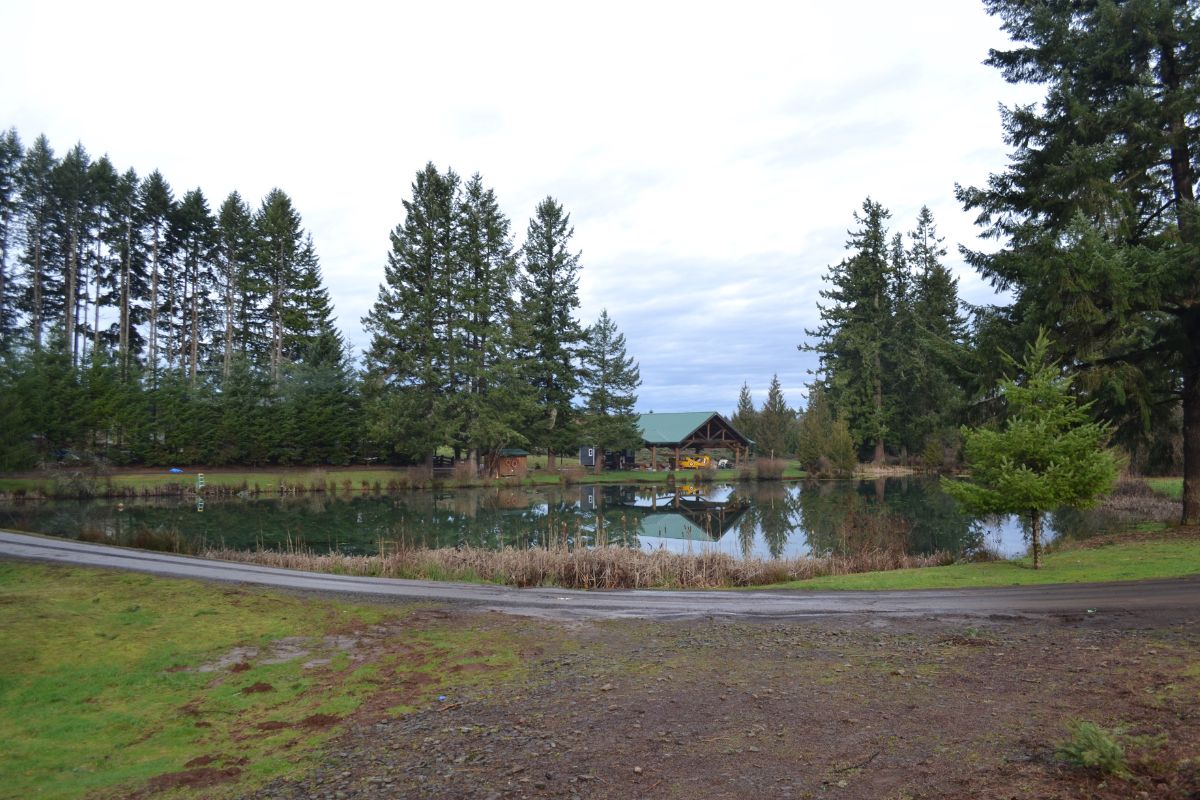
When buying land for a tiny house, start by checking local zoning laws and building codes to be sure you can legally build your home there. Choose a location that fits your lifestyle and daily needs, and check if essential utilities like water, electricity, and sewage are available. Financing land can be tricky, so explore your options and set a budget. Watch for community restrictions or HOA rules that may affect tiny houses. There’s more to know to make your tiny house dream a reality.
- Check local zoning laws and building codes to ensure tiny houses are allowed on your chosen land.
- Evaluate the availability and cost of essential utilities like water, electricity, and sewage on the property.
- Research financing options, as traditional mortgages may not apply to vacant land or tiny homes.
- Consider community rules, HOA restrictions, and minimum size requirements before purchasing land.
- Choose a location that fits your lifestyle needs and offers access to amenities, work, and reliable infrastructure.
Understanding Zoning Laws and Building Codes
Before you buy land for your tiny house, you need to understand the zoning laws and building codes that apply to your chosen area. Zoning laws determine what types of homes you can build and where, while building codes set the standards for construction and safety. Some areas may not allow tiny houses as primary residences, or they might require minimum square footage. Always check with your local planning and zoning office to find out the specific rules. Don’t forget to ask about utilities, setbacks, and any special permits. If you skip this step, you could face fines or be forced to move your tiny house. Doing your homework now will save you time, money, and frustration down the road.
Choosing the Right Location for Your Tiny House
Where should you put your tiny house for the best experience and value? Start by considering your lifestyle and daily needs. Do you want to wake up to mountain views, be close to a city’s amenities, or enjoy a quiet rural setting? Think about climate, access to work or school, and what kind of community you want around you. Proximity to grocery stores, healthcare, and recreation can make daily life easier. Don’t forget to check the neighborhood’s vibe—visit at different times to get a feel for noise and activity. Also, research potential for future development nearby, as this can affect your property’s value and tranquility. By prioritizing your needs and preferences, you’ll find a location that truly suits your tiny house dream.
Evaluating Utilities and Infrastructure
As you evaluate land for your tiny house, it’s essential to look closely at available utilities and infrastructure. Check if the property has access to electricity, water, and sewage—these basics can make or break your project. If utilities aren’t on-site, find out how much it’ll cost to connect to the nearest lines or consider alternatives like solar panels, composting toilets, or well water. Don’t forget about internet and cell service; reliable connectivity is important for work and daily life. Also, assess road access. Make sure you or emergency vehicles can reach the property year-round. Ask local authorities about any restrictions on utility installation or upgrades. Doing your homework now can save you time, money, and frustration down the road.
.jpg)
Financing Options for Land Purchase
Although buying land for a tiny house might seem straightforward, financing the purchase often requires careful planning. Traditional mortgages aren't always an option for vacant land, especially if it's undeveloped.
Tip! Before applying for financing, it’s worth exploring the pros and cons of purchasing a vacant property — including location flexibility, development potential, and long-term investment value.
Instead, you might consider a land loan from a bank or credit union, but be prepared for higher interest rates and larger down payments. Another route is seller financing, where the property owner lets you pay over time—this can offer more flexibility but usually comes with its own terms.
If you have good credit, a personal loan or a home equity loan (if you already own a home) could also work. Before you commit, compare all your options, factor in fees, and make sure you understand each loan's requirements. Always budget for extra expenses beyond the land price.
Navigating Community Rules and Restrictions
Before purchasing land for your tiny house, it’s essential to understand how local rules and restrictions could affect your plans. Zoning laws, building codes, and neighborhood covenants can all impact where and how you place your tiny home. Start by checking with the city or county planning office to see if tiny houses are allowed on your chosen parcel. Some areas require minimum square footage or restrict homes on wheels. Also, review any HOA or community association rules, as they may have additional requirements or outright bans on tiny homes. Don’t assume rural land is always unrestricted—many rural communities still enforce zoning. By researching these regulations upfront, you’ll avoid costly mistakes and guarantee your dream of tiny house living stays on track.
Tips for Inspecting and Closing on Your Land
Once you've identified a promising parcel, take time to thoroughly inspect the land before moving forward. Walk the property and look for issues like drainage problems, uneven terrain, or signs of contamination. Don’t hesitate to hire a land surveyor to confirm boundaries and a soil engineer to check if the ground can support your tiny house. Verify utility access—water, electricity, and septic—since adding these later can be expensive and complicated.
When you’re ready to close, review the title report carefully for any liens or easements that might affect your use of the property. Work with a local real estate attorney or agent to handle paperwork and ascertain all legal requirements are met. Being diligent at this stage helps you avoid costly surprises down the road.
Conclusion
Buying land for your tiny house is a big step, but with the right research, you’ll set yourself up for success. Make sure you understand zoning laws, check for utilities, and explore financing options before making any decisions. Don’t forget to review community rules and thoroughly inspect the land. With careful planning and a little patience, you’ll find the perfect spot for your tiny house dreams to become reality. Happy house hunting!


.svg)
.jpg)
.jpg)
.jpg)