Composite Kitchen Sink: Durable, Stylish, and Easy to Maintain

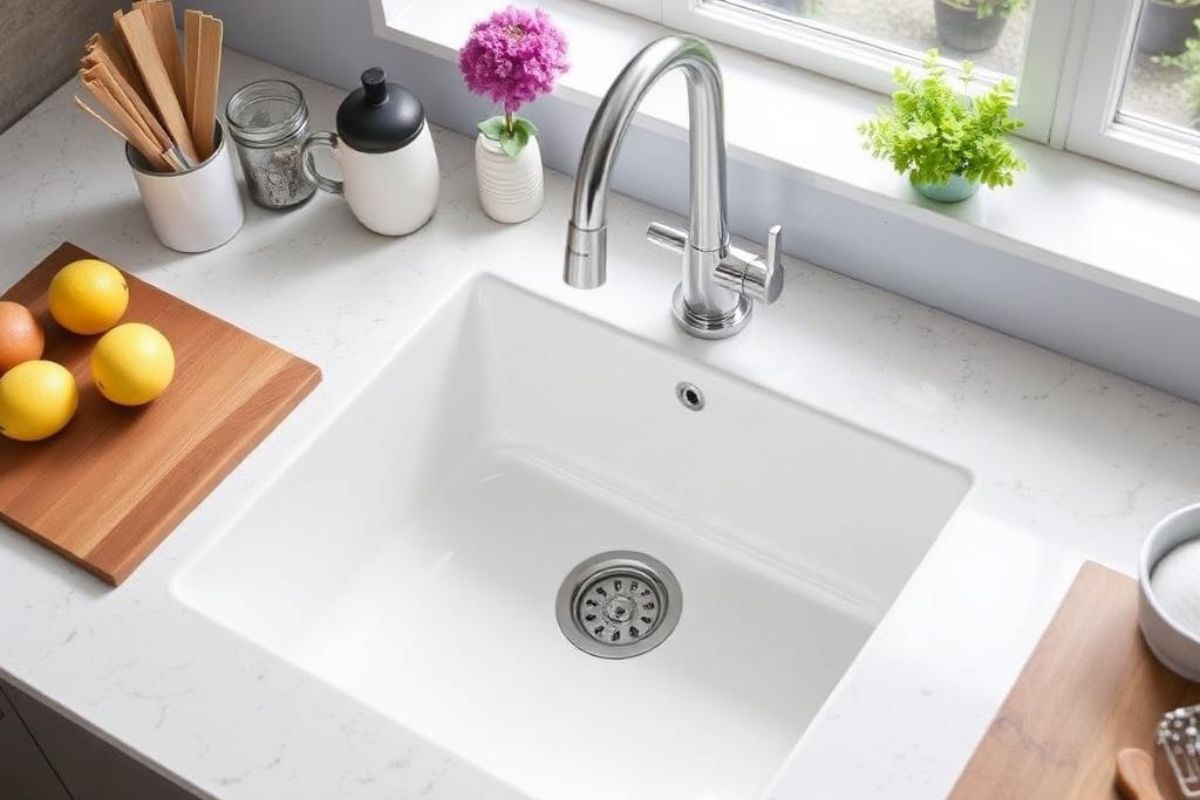
A composite kitchen sink gives you the best of style and strength, blending natural stone and acrylic resin for a tough, modern look. You’ll notice it resists scratches, stains, and heat from daily use, and it’s a breeze to keep clean with just mild soap and water. Multiple colors and finishes let you match your kitchen perfectly. Want to know how these sinks stack up to stainless steel and what to take into account for installation and care? There’s more ahead.
- Composite kitchen sinks are highly durable, resisting scratches, stains, and chips better than most other materials.
- The nonporous surface prevents odors and staining, making daily cleaning and maintenance simple.
- They are available in a wide variety of colors and finishes to suit any kitchen style.
- Composite sinks withstand high temperatures from hot pots and pans without damage.
- Their dense material absorbs sound, providing a quieter kitchen workspace.
What Are Composite Kitchen Sinks Made Of?
Composite kitchen sinks blend natural stone, like granite or quartz, with durable acrylic resins. You’ll find that this mix creates a solid surface, making composite sinks tougher than many traditional options. Manufacturers use crushed stone—usually at least 70% of the total material—then bind it with high-quality acrylic or polyester resins. This process results in a dense, non-porous material that resists stains and scratches.
When you shop for a composite sink, check the specific stone type and resin ratio. A higher percentage of stone usually means better durability and a more authentic stone appearance. Also, color pigments are added during manufacturing, so the color runs throughout the sink. This means chips and scratches are less visible, keeping your kitchen looking great.
Key Benefits of Choosing a Composite Sink
Thanks to their unique blend of stone and resin, these sinks offer impressive durability and everyday practicality for busy kitchens. You’ll notice right away that composite sinks resist scratches, chips, and dents far better than many alternatives. Their solid, nonporous surface also keeps stains and odors at bay, making cleanup quick and hassle-free. If you’re worried about heat, composite sinks can handle hot pots and pans without warping or discoloring.
Another key benefit is noise reduction. The dense material absorbs sound, so you won’t hear as much clatter when washing dishes. Plus, composite sinks come in a range of colors and finishes, allowing you to match your kitchen’s style easily. With minimal maintenance and strong resistance to wear, they’re a smart, practical choice.

Comparing Composite Sinks to Stainless Steel and Other Materials
While stainless steel sinks have long been a kitchen staple, it’s worth looking at how composite options stack up against them and other materials like porcelain or cast iron. Composite sinks offer greater resistance to scratches, dents, and stains than stainless steel, meaning you won’t see every little mark or water spot. Unlike porcelain, composites don’t chip easily, and they’re less likely to show stains from coffee or wine. Cast iron sinks, though durable, are heavy and prone to chipping their enamel coating. With a composite sink, you get a quieter workspace since they dampen noise from dishes and running water. Plus, they’re less likely to rust or discolor over time. If you want durability and low maintenance, composites are a smart choice.
Popular Styles and Color Options
Beyond durability and easy upkeep, style and color options make composite sinks a standout in modern kitchens. You’ll find a range of shapes, including single and double basins, farmhouse fronts, and undermount designs. These options let you match your sink to your kitchen’s workflow and aesthetic. Color variety is another major draw—choose from classic black, sleek white, warm browns, cool grays, or bold tones like deep blue or red. Composite materials resist fading, so your chosen color stays vibrant for years. If you want a cohesive look, coordinate your sink’s color with countertops or cabinetry. For modern appeal, matte finishes reduce glare and hide water spots. With so many styles and hues, it’s easy to make your sink a focal point.
.jpg)
Installation Considerations for Composite Sinks
Before installing a composite sink, you’ll need to account for its weight, size, and mounting requirements. Composite sinks are heavier than stainless steel options, so make certain your countertop and cabinetry can support the load. If you’re choosing an undermount style, guarantee the surface is perfectly level and the cutout fits the sink’s dimensions exactly. Always double-check the template provided by the manufacturer before cutting.
Plan for adequate support brackets or reinforcement, especially with larger or deeper sinks. Pay close attention to the faucet hole configuration—composite sinks usually come pre-drilled, so match them to your faucet layout. Don’t forget to check the clearance for plumbing and garbage disposal underneath. Proper sealing is essential to prevent leaks, so use a recommended sealant for composite materials.
Tips for Cleaning and Maintenance
Once your composite sink is securely installed, keeping it looking great comes down to regular cleaning and the right care. Start by rinsing the sink after every use to prevent buildup from food and liquids. Use a soft cloth or sponge with mild dish soap for daily cleaning; avoid harsh chemicals or abrasive pads, as these can dull the finish. For stubborn stains, make a paste of baking soda and water, gently scrubbing in a circular motion. Rinse thoroughly to remove all residue. Dry the sink with a soft towel to avoid water spots and mineral deposits. Don’t let metal pots or utensils sit for long periods, since this can lead to marks. With these habits, your composite sink stays fresh and spotless.
Longevity and Resistance to Damage
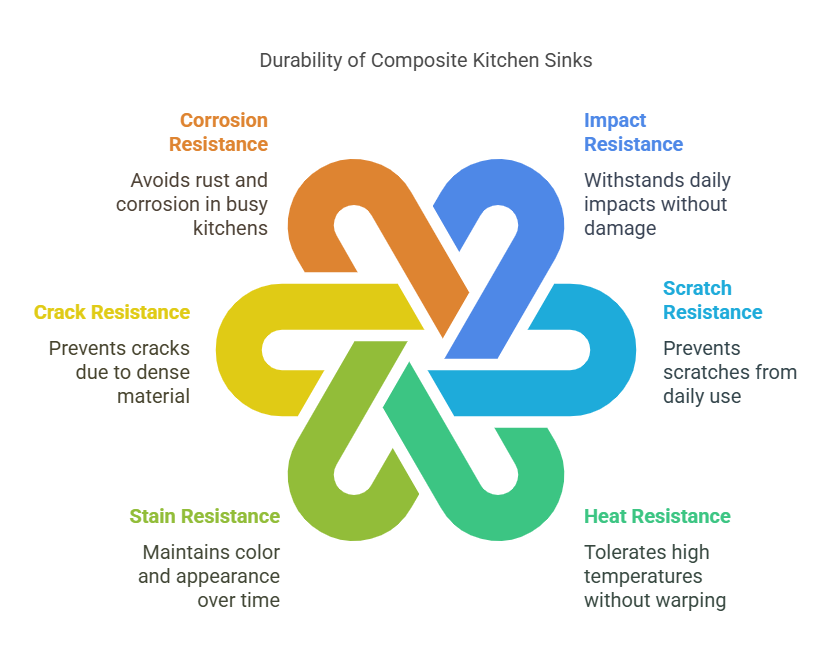
Although composite kitchen sinks are engineered for strength, their true value lies in their impressive resistance to daily wear. You’ll notice they stand up well to impacts, scratches, and even high temperatures from hot pots or pans. Unlike stainless steel, you won’t see dents or obvious scuff marks over time. The nonporous surface also resists stains and fading, so your sink keeps its color and fresh look for years.
Cracks and chips are rare because the materials are densely packed and designed to absorb daily shocks. You don’t have to worry about rust or corrosion, making these sinks ideal for busy kitchens. With basic care, a composite sink can stay functional and attractive for decades, giving you long-term value and peace of mind.
How to Choose the Right Composite Sink for Your Kitchen
With all the durability and low maintenance composite sinks offer, the next step is finding the right one to suit your kitchen’s needs. Start by measuring your cabinet space to determine the maximum sink size you can install. Think about your kitchen habits—if you cook often, a deep, double-bowl sink gives flexibility, while smaller kitchens may benefit from a single bowl.
Pay attention to color and finish. Pick a shade that complements your countertops and resists stains. Consider the mounting type; undermount models offer a seamless look and easier cleanup, while top-mount sinks are simpler to install.
Lastly, check the material blend—look for a high percentage of quartz or granite for maximum durability. These steps guarantee your new composite sink fits your kitchen and lifestyle perfectly.
Conclusion
Choosing a composite kitchen sink means you’re investing in durability, style, and simple upkeep. You’ll enjoy a wide range of colors and finishes to match your kitchen, plus the peace of mind that comes with resistance to scratches and stains. With proper care, your sink will look great for years. If you want a sink that’s both practical and attractive, composite is a smart choice that won’t disappoint in your busy kitchen.


.svg)
.png)
.jpg)