Cordless Vacuum Buying Guide: Features, Battery Life & Performance Explained

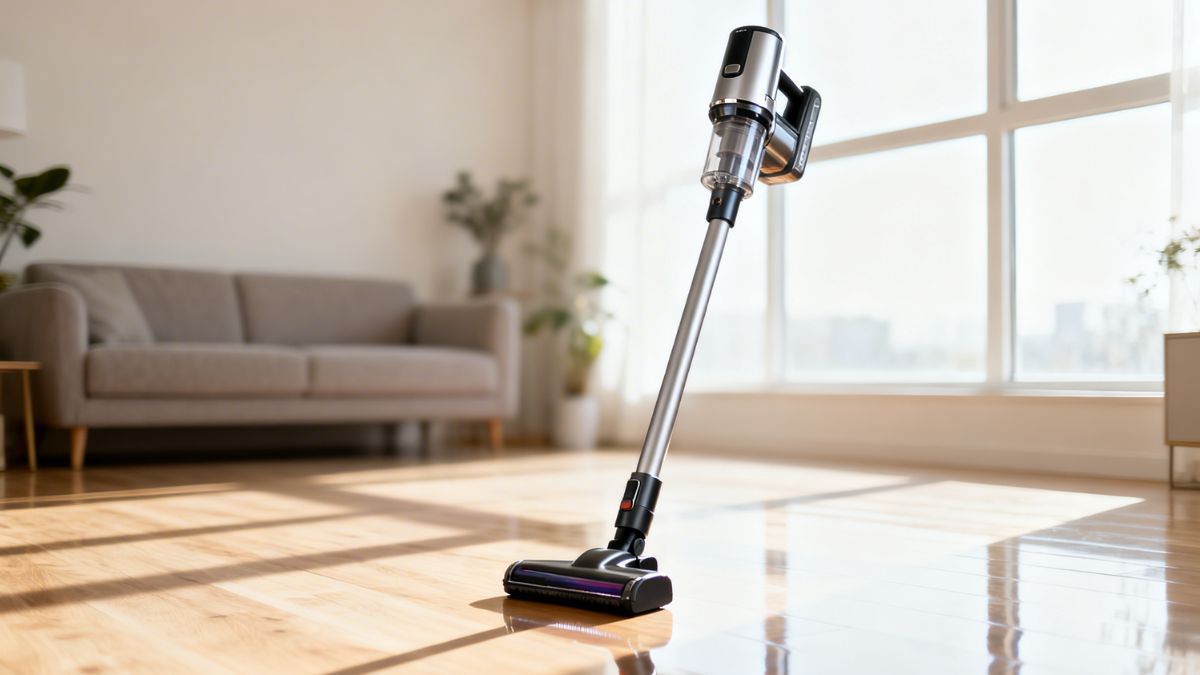
Choosing the right cordless vacuum can completely change the way you clean your home. With powerful motors, long-lasting batteries and lightweight designs, today's models compete with traditional poles. In addition, the rise of robotic vacuum cleaners has changed expectations for automation and convenience.
In this comprehensive guide, we'll break down the basic features, battery life, and performance factors you need to understand before investing in a cordless vacuum or even comparing it to a robotic vacuum.
Understanding How a Cordless Vacuum Works
Motor Power and Suction Technology
A cordless vacuum cleaner runs on rechargeable batteries instead of a power cord. Inside, a compact motor drives suction that pulls dirt into the bin. Modern battery-powered vacuum models use brushless motors, which are more energy efficient and provide stronger suction.
The suction power determines how well a cordless vacuum cleaner handles debris, animal hair and fine dust. While many consumers compare cordless vacuums to robot vacuums, the suction power of a cordless vacuum is generally stronger because it is manually operated and designed for deep cleaning.
Some premium cordless vacuum models include adjustable suction modes. Eco mode extends battery life, while Boost mode gives carpets intense power. On the other hand, a robot vacuum often adjusts suction automatically, but cannot match the manual controls of a cordless vacuum.
Filtration system and dust collection
Highly efficient filtration is important, especially for allergy sufferers. A cordless vacuum often includes multi-stage filtration systems, and many offer HEPA filters to capture microscopic particles.
The capacity of the dustbin varies. Because a cordless vacuum cleaner is compact, the rooms are smaller than those of a traditional vacuum cleaner. Robot vacuum cleaners also have a small vacuum cleaner, but some models come with a self-draining base, which reduces maintenance.
When comparing cordless vacuums to robotic vacuums, consider how often you're willing to empty the canister and clean the filters. Both require regular maintenance for peak performance.
Battery Life and Charging Considerations
.jpg)
Battery Types and Runtime Expectations
Battery life is one of the most important aspects of a cordless vacuum cleaner. Most models use lithium-ion batteries due to their low weight and long life. The average cordless vacuum cleaner offers a run time of between 20 and 60 minutes, depending on the power mode.
If you have a larger home, look for a cordless vacuum with a removable battery so you can swap out a spare battery. Unlike robot vacuums, which automatically return to the charging dock, cordless vacuums require manual charging.
Premium cordless vacuum models often have smart battery indicators so you know how much operating time is left. This is especially useful during intensive cleaning sessions.
Charging time and efficiency
The charging time for cordless vacuum cleaners varies from 2 to 5 hours. Some advanced models support fast charging. If convenience is a priority, consider a wall-mounted charging station that keeps your cordless vacuum stored and ready.
A robot vacuum cleaner usually takes several hours to charge, but the battery is automatically controlled. While a robot vacuum is ideal for scheduled cleaning, a cordless vacuum is better suited for quick, targeted cleaning sessions.
Ultimately, your cleaning habits will determine whether battery-friendliness matters more in a cordless or robot vacuum.
Performance on Different Surfaces
Hardwood Floors and Tile
A battery-powered vacuum cleaner performs exceptionally well on hard floors due to its direct suction and motorized brush roll. Many models include soft rollers specially designed to prevent scratches while capturing fine dust.
A robot vacuum also handles hard floors well, especially for daily maintenance. However, a cordless vacuum cleaner gives you more control around edges, corners and under furniture.
If your home has mostly hard surfaces, both cordless vacuums and robot vacuums can be effective – but cordless vacuums provide faster and more detailed cleaning.
Carpets and Rugs
Carpet performance is where a cordless vacuum often shines. Strong suction and powered brush heads dig deep into the fibers to remove embedded dirt and pet hair.
While a robot vacuum can maintain low to medium pile carpets, it can struggle with thicker carpets. A high-quality cordless vacuum cleaner gives you the option of increasing suction when needed.
If deep cleaning carpets is a priority, a cordless vacuum is usually a better investment than relying solely on a robot vacuum.
Key Features to Look For
Weight, Design, and Attachments
One of the main reasons people choose cordless vacuum cleaners is portability. Most weigh between 5 and 8 pounds, making them easy to carry up or into tight spaces.
Look for ergonomic handles and balanced weight distribution. Many cordless vacuum models convert to handheld units for cleaning cars, stairs and upholstery.
Attachments such as slotting tools, mini motorized brushes and dusting tools expand functionality. While a robot vacuum cleaner is limited to cleaning floors, a cordless vacuum cleaner can clean almost any surface in your home.
Smart technology and connectivity
Some cordless vacuum models now include smart displays that show battery levels, maintenance alerts and performance statistics. While not as connected as a robot vacuum cleaner, smart features are becoming more common.
A robotic vacuum cleaner is often integrated with Wi-Fi and voice assistants, enabling scheduled cleaning and remote control. But if you prefer manual cleaning with immediate results, the cordless vacuum cleaner remains a powerful option.
When choosing between a cordless vacuum cleaner and a robotic vacuum cleaner, you should consider whether automation or manual precision means more to you.
.jpg)
Maintenance and Longevity
Cleaning and Filter Care
To maintain best performance, regularly empty the trash can and wash the filter. A well-maintained, cordless vacuum cleaner can last for many years.
The brush roll should also be checked for tangled hair. Compared to robot vacuums, which may require sensor cleaning and wheel maintenance, cordless vacuums are easier to maintain.
Proper care extends the life of both cordless and robotic vacuums, ensuring consistent performance.
Spare parts and warranty
Before buying a cordless vacuum cleaner, check the availability of replacement batteries, filters and brush rolls. Replacing the battery can significantly extend the life of a cordless vacuum cleaner.
Robot vacuum cleaners also require replacement of parts from time to time, such as side brushes and filters. Compare warranty terms carefully to protect your investment.
A durable cordless vacuum cleaner with accessible parts often proves to be more cost-effective in the long run.
Conclusion
Final Thoughts on Choosing the Right Vacuum
A cordless vacuum offers powerful suction, portability and versatility for extensive cleaning around the home. Whether you're handling carpets, stairs or car interiors, a cordless vacuum offers handheld precision.
Meanwhile, a robotic vacuum cleaner excels at automated daily maintenance. It is ideal for busy families who want consistent floor cleaning with minimal effort.
Key points before buying
When choosing a cordless vacuum cleaner, pay attention to battery life, suction power, filtration and accessories. Compare these factors with the automation benefits of a robotic vacuum cleaner.
For many homes, the best solution may be to have both a cordless vacuum cleaner for deep cleaning and a robotic vacuum cleaner for daily maintenance.
FAQs
Common Questions About Cordless Vacuum
1. How long does a cordless vacuum battery last?
Most cordless vacuum batteries last 2-5 years depending on use and maintenance.
2. Is the cordless vacuum strong enough for pet hair?
Yes, many cordless vacuum models are specially designed with motorized brushes to effectively handle pet hair.
3. Can a wireless vacuum cleaner replace a traditional vacuum cleaner?
For most homes, a high-quality cordless vacuum can replace a corded cord directly.
4. Is a robot vacuum cleaner better than a cordless vacuum cleaner?
A robot vacuum cleaner is better for automation and daily cleaning, while a cordless vacuum cleaner is better for deep, targeted cleaning.
5. Can I use both a wireless vacuum cleaner and a robot vacuum cleaner?
Absolutely. Many homeowners use robot vacuum for routine maintenance and cordless vacuums for detailed cleaning tasks.


.svg)

.jpg)