
Customizing Tiny Homes for Limited Mobility Residents

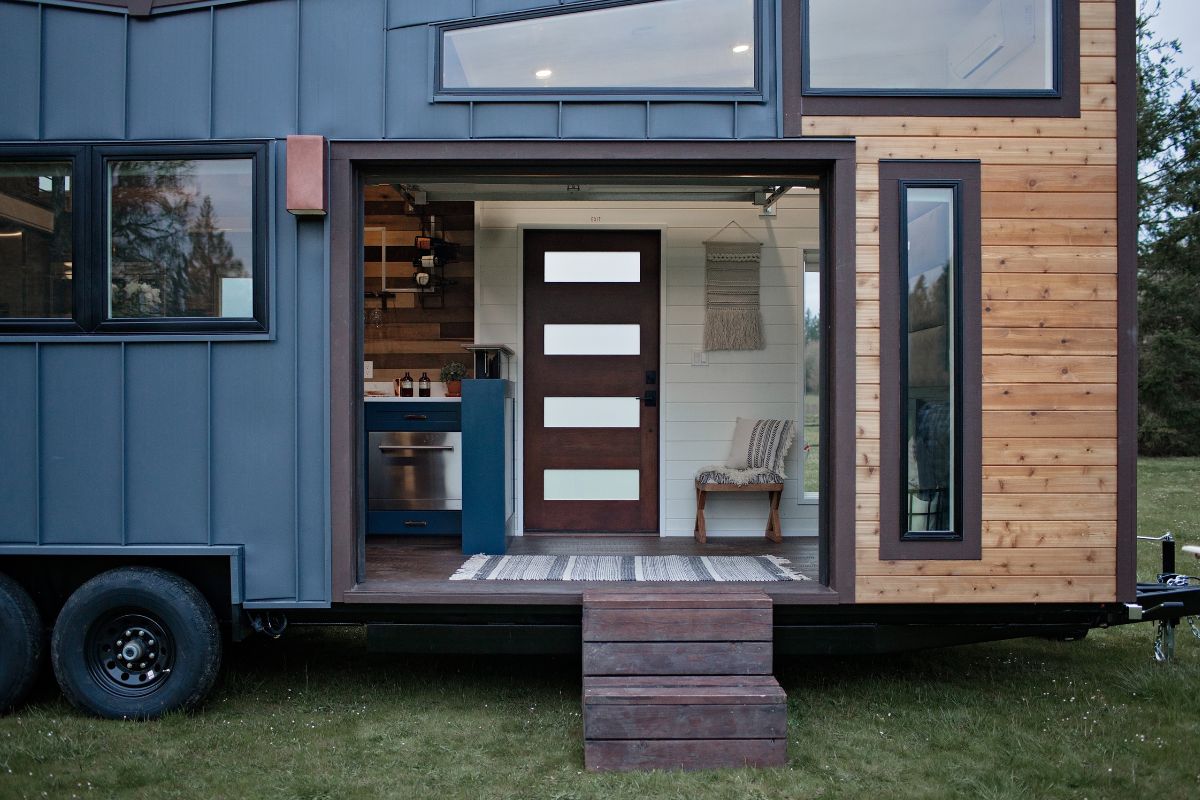
Tiny homes continue to grow in popularity for their affordability and simplicity, but accessibility is often overlooked in their design. For residents with limited mobility, these compact spaces can present daily challenges that affect independence and safety. By customizing features with accessibility in mind, it is possible to create comfortable, functional homes that promote both freedom and ease of living. With thoughtful planning, families can help loved ones enjoy the benefits of tiny home living without sacrificing accessibility or convenience.
Space-Efficient Mobility Solutions for Tiny Homes
Designing a tiny home for residents with mobility limitations requires creativity and attention to detail. The key is to make every inch of space serve multiple purposes while maintaining comfort and functionality. Applying universal design principles ensures that each feature accommodates individuals of varying physical abilities.
When families begin planning accessible housing, working with professionals who understand the needs of older adults or those with disabilities can make a significant difference. A senior care placement service in Overland Park, KS, can help families explore housing options tailored to individual mobility requirements, including tiny homes or assisted living alternatives. These specialists often provide valuable guidance on accessibility standards, modifications, and resources for creating safer living environments.
Entry and Threshold Adaptations
The entryway is often one of the biggest challenges in designing accessible tiny homes. A properly built entrance ensures safe, easy access without barriers. Ramps are an effective solution, but must be designed carefully to fit within a limited outdoor space. Portable or folding ramps work well for mobile tiny homes, while stationary ones can be integrated into the structure with gradual slopes.
Doorways should be wide enough for wheelchair access, and sliding or pocket doors are practical for saving floor space. These styles eliminate swing clearance issues, allowing for smooth navigation through tight areas. Zero-threshold entries, where the floor remains level between interior and exterior spaces, help prevent tripping hazards and improve accessibility for those using walkers or wheelchairs.
Weatherproofing becomes an additional consideration when eliminating door thresholds. High-quality seals and sweeps prevent drafts and water intrusion while maintaining a flat, obstacle-free entry. These design elements create a seamless transition between indoors and outdoors, enhancing both function and safety.
.jpg)
Bathroom Accessibility in Compact Spaces
Bathrooms in tiny homes require careful planning to ensure they are both safe and comfortable. The layout should allow enough turning space for mobility aids while keeping essential fixtures within easy reach. Zero-entry showers eliminate the need to step over a threshold, and non-slip flooring adds extra safety.
Wall-mounted sinks and toilets can make small bathrooms more functional by freeing up valuable floor area. Installing grab bars and fold-down shower seats offers stability without occupying permanent space. These elements combine convenience and accessibility in one compact design.
Lever-style handles, temperature-regulated faucets, and touchless fixtures add another layer of practicality. They are easier to operate for individuals with arthritis or limited hand strength. Choosing low-maintenance materials also helps ensure that cleaning and upkeep remain manageable for seniors or individuals with mobility challenges.
Innovative Storage Solutions for Mobility Aids
Storage space can be difficult to manage in a tiny home, but smart organization makes a big difference. Vertical storage units that use pull-down or slide-out systems allow items to be reached without bending or stretching. These mechanisms are ideal for storing mobility aids such as canes, walkers, or small wheelchairs.
Multipurpose furniture helps maximize limited space. Benches with built-in compartments or beds with drawers underneath combine comfort with functionality. Installing adjustable shelving lets residents adapt storage heights as their mobility needs change.
Kitchen Modifications for Accessibility
Kitchens often need the most adjustment to accommodate limited mobility. Countertops with adjustable height functions allow for seated or standing food preparation. These can be mechanical or electric, depending on space and budget. Pull-out work surfaces or cutting boards can also expand usable workspace when needed.
Cabinets designed with pull-down racks and full-extension drawers improve accessibility by bringing items closer to hand. Lever handles or touch-operated faucets remove the strain of twisting or gripping. Appliance placement is equally important—front-control ranges, side-hinged ovens, and drawer-style dishwashers make daily use simpler and safer.
For residents exploring accessibility options beyond home renovation, connecting with a senior care placement service in Overland Park, KS, can help identify alternative living arrangements that already include accessible kitchens and facilities. These services can guide families toward communities or properties that match both physical and lifestyle needs.

Smart Home Technology Supporting Independence
Smart technology plays an increasingly valuable role in accessible design. Voice-activated systems allow residents to control lighting, temperature, and appliances without needing to move across the room. This added convenience makes daily routines easier for individuals who rely on mobility aids.
Motion-sensor lights enhance safety, especially at night. Automatic illumination along hallways or in bathrooms reduces the risk of falls. Similarly, remote-controlled blinds and windows make it simple to adjust lighting or ventilation without physical strain.
Monitoring systems designed for privacy can alert caregivers to emergencies while maintaining residents’ independence. Some models include discreet fall-detection sensors that send alerts without intrusive cameras. Wireless installation options are ideal for tiny homes since they avoid complex wiring or remodeling.
Funding and Resources for Accessible Tiny Homes
Adapting a home for accessibility can require financial planning. Various programs and grants exist to support homeowners making mobility-friendly modifications. These may cover ramps, doorway widening, or bathroom remodeling. Some local and state initiatives also offer tax incentives for accessibility improvements, easing the financial burden.
Community resources and nonprofit organizations often provide additional help. Many agencies work specifically with seniors or individuals with disabilities, offering practical advice on home design and safety. Partnering with these organizations ensures that residents receive both financial and professional guidance when customizing their spaces.
Take the Next Step Toward an Accessible Living Space
Creating an accessible tiny home requires thoughtful planning, expert guidance, and a commitment to safety. Every adaptation—from ramps and wider doorways to smart technology and storage solutions—enhances independence and comfort. For families exploring new living arrangements or seeking professional guidance, using a senior care placement service in Overland Park, KS can simplify the process and ensure every need is considered. With the right approach, a tiny home can provide big comfort for residents with limited mobility, turning compact living into a truly inclusive experience.


.svg)
.jpg)
.jpg)
.jpg)