Don’t Go It Alone: How a Probate Realtor Helps You Transition to Tiny Living


Let’s say you’ve been dreaming of simplifying your life—ditching the clutter, minimizing your footprint, and living in a cozy tiny home that fits your lifestyle, not just your stuff. But then life throws you a curveball: you inherit a house. Suddenly, you’re not just planning your next adventure—you’re managing an estate. That’s where things can get tricky.
When you're standing at the crossroads between inherited property and a downsized dream, it’s easy to feel overwhelmed. The legal responsibilities, paperwork, and emotional weight of dealing with a loved one’s estate can stack up quickly. You might find yourself asking, do I need a realtor for probate? The short answer: yes—especially if your next chapter involves downsizing or switching to tiny living.
Let’s break down why working with a probate realtor isn’t just helpful—it’s often the smartest way to make your transition smoother, less stressful, and a whole lot more intentional.
What Is a Probate Realtor, Anyway?
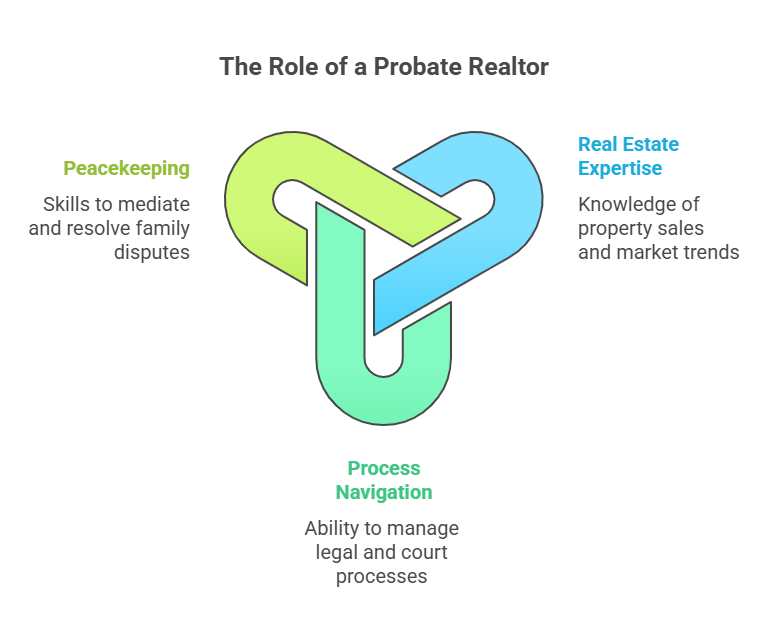
A probate realtor isn’t just a regular real estate agent. They specialize in helping people sell property that’s tied up in a legal process known as probate. That process kicks in when someone passes away and leaves property behind without directly passing it on to someone else in a will—or if that will has to go through court validation.
Probate realtors understand how estate sales work under court supervision. They know how to work with attorneys, executors, and family members who might not be on the same page. They also understand the tight timelines and legal hoops involved, so nothing gets stuck or stalled.
In short, they’re part real estate expert, part process navigator, and part peacekeeper.
Inheriting a Home Isn’t Always a Free Pass
A lot of people assume inheriting a house is like winning the lottery. It sounds great at first—until you realize that house comes with property taxes, upkeep, insurance, and possibly debt. And if your lifestyle goals involve going smaller, simpler, or more mobile, that big house may not be a blessing. It might feel more like baggage.
That's why selling the property can be a logical next step. But doing that isn’t always quick or easy—especially if the home is in probate. That’s when the probate realtor steps in to keep things moving.
Why Tiny Living Goals and Probate Realities Often Collide
Most people who pursue tiny living are chasing a certain kind of freedom—less space, less stuff, less stress. But an inherited home is often the opposite: it's large, full of memories, and tied to family dynamics and legal rules.
Here’s the challenge: you can’t move forward with tiny living until you deal with the property you’ve inherited. A probate realtor helps you get through that process efficiently so you’re not stuck maintaining a home you don’t want or waiting forever to get access to the sale funds.
It’s about making room—physically and emotionally—for the life you actually want.

The Emotional Weight of an Inherited Home
Let’s not ignore the emotional side of things. Inheriting a house is rarely just about real estate. It’s often the place where someone grew up, raised a family, or spent their final days. Letting go of that space—especially while trying to shift into a more minimal lifestyle—can be complicated.
A probate realtor provides a neutral, professional perspective. They aren’t emotionally tied to the property, so they can focus on practical matters like market value, legal requirements, and timing. That way, you’re not carrying the full weight of every decision on your own shoulders.
They help you separate the sentiment from the strategy.
Legal Landmines? Leave Them to the Pros
Probate comes with rules—and lots of them. You might need court approval before listing the property. You may have to wait for appraisals, notifications, or signatures from multiple heirs. If you mess up a step, it could delay the process by weeks or even months.
Probate realtors know how to keep things legal and clean. They’ll make sure you’re not violating court orders, overstepping timelines, or listing a home before you're allowed to. That way, you can focus on your next steps—like choosing the layout for your tiny home or researching off-grid solar systems.
Selling the Property: Speed Matters
If your goal is to sell the inherited home so you can fund a tiny house build or buy land for your next move, time is of the essence. The longer a house sits, the more it costs you—utilities, taxes, maintenance, you name it.
Probate realtors know how to price properties correctly for probate sales. They understand how to market to buyers who are ready to work within probate constraints. They can help you avoid lowball offers and ensure you’re not leaving money on the table—because let’s face it, tiny homes aren’t free.
Dealing with Family Dynamics
In many probate cases, there’s more than one heir involved. That means more opinions, more emotions, and more opportunities for conflict. One sibling wants to sell fast, another wants to hold onto the home, and another just wants out.
A probate realtor can be the middle ground everyone needs. They provide a third-party voice focused on facts: timelines, values, market conditions, and legal deadlines. They can also help explain why certain decisions are necessary, making it easier for families to reach a consensus.
Having that buffer can make a huge difference—especially if you’re trying to keep peace while downsizing your life.
How a Probate Sale Supports Your Tiny Living Goals
Here’s the silver lining: selling an inherited home the right way can be a springboard for your tiny living journey. The proceeds might allow you to:
- Buy a tiny home outright (no mortgage!)
- Purchase land in your ideal location
- Invest in sustainable upgrades like solar panels or water collection systems
- Eliminate debt before making a lifestyle shift
- Save for retirement or build a financial cushion
In other words, a good probate realtor helps unlock the value of your inheritance—so you can put it to use in a way that supports your future, not just your past.
The Right Realtor Is a Guide, Not Just a Seller
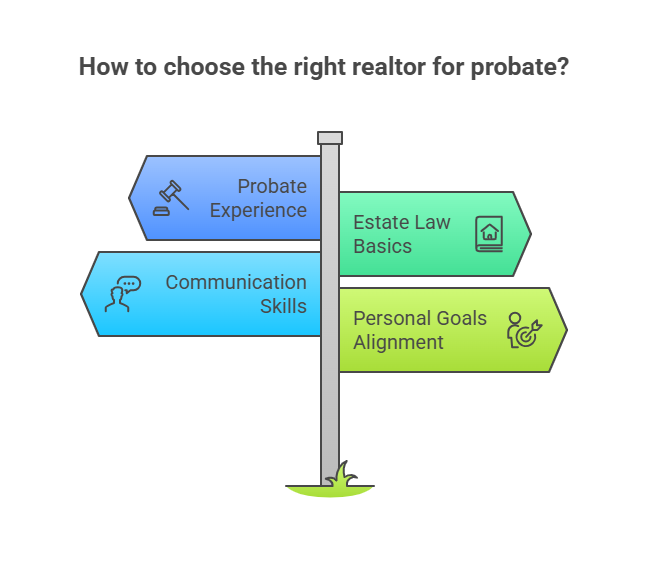
It’s tempting to pick any real estate agent and hope for the best. But probate is a niche field. You want someone who’s done this before—someone who understands probate court timelines, can coordinate with attorneys, and knows how to work through estate complexities without adding more stress to your plate.
Look for someone who:
- Has probate experience (ask for examples)
- Understands estate law basics
- Is comfortable working with multiple decision-makers
- Communicates clearly and frequently
- Offers a plan that supports your personal goals—not just theirs
Final Thought: Simplify the Process So You Can Simplify Your Life
Tiny living is all about being intentional. About choosing freedom, flexibility, and a life that’s not weighed down by unnecessary stuff—or stress. But to get there, you might have to deal with the big, complicated process of selling a traditional home tied to probate.
That’s okay. You don’t have to handle it alone.
A probate realtor can help you move forward with less drama, fewer delays, and a lot more confidence. And when all is said and done, you’ll have cleared the way—legally, financially, and emotionally—for the next chapter of your life to truly begin.
Whether your dream is a custom-built tiny home on wheels or a solar-powered off-grid cottage in the woods, having the right help now can make all the difference later.


.svg)
.jpg)