
What Tiny Home Builders Need to Know About Door Installation and Sizing

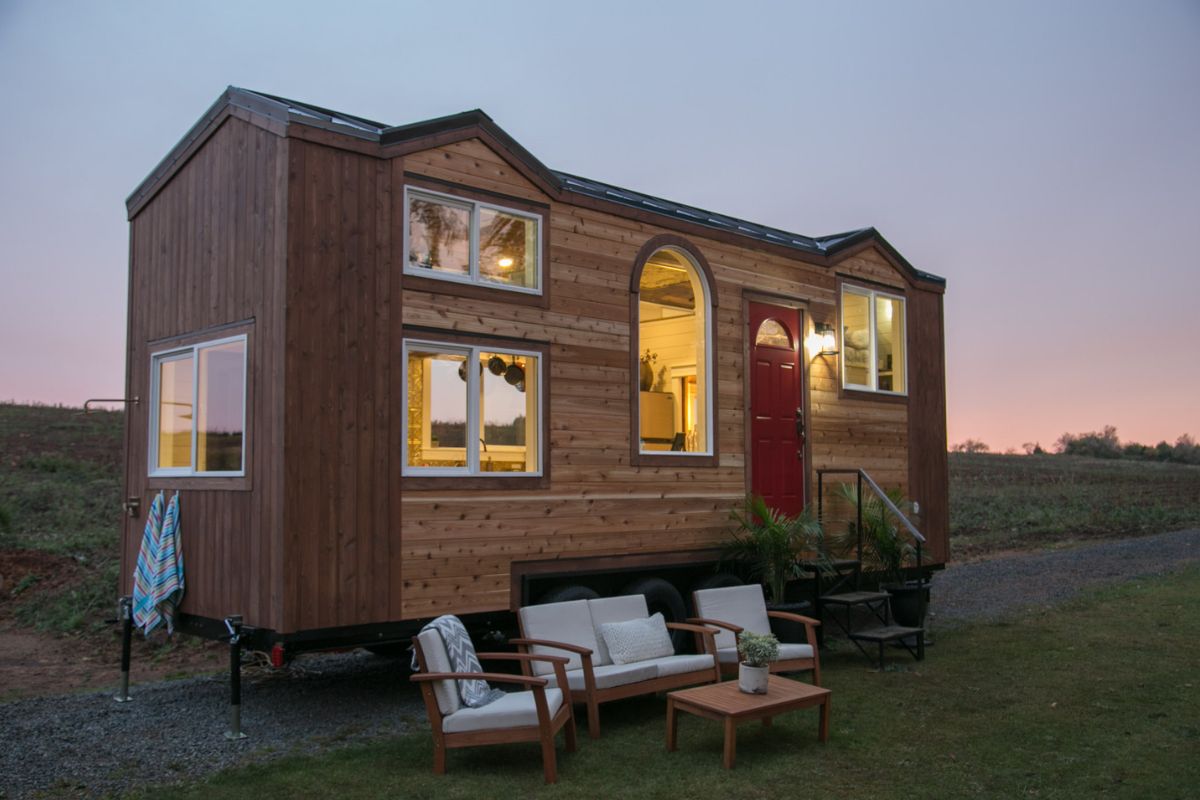
Installing an entry door in a tiny home presents challenges that differ significantly from standard home construction. Space limitations mean that standard-size doors often don’t fit well within the compact, customized framing of a small build.
Wall thickness is one of the biggest concerns. Many tiny homes are built on trailers, which limits how thick the walls can be without exceeding transport regulations. Thinner walls affect which door styles and materials are appropriate, especially when insulation, security, and energy efficiency are priorities.
Another consideration is door swing. In a tight layout, an inward-swinging door might block access to essential areas like the kitchen or storage. Outward-swinging doors are a popular workaround but must be installed carefully to maintain a proper seal and prevent water intrusion.
Builders also need to consider how the door integrates with flooring, nearby furniture, and wall structure. What works in a standard-size home may not suit the proportions of a much smaller space.
Understanding Door Sizing in Small Builds
Standard residential entry doors are typically 36 inches wide and 80 inches tall, but those dimensions can feel oversized in a tiny home. They may not fit within custom wall framing or may throw off the scale of the overall design.
Smaller or modified doors are often better suited to these builds, both functionally and visually. A narrower width or reduced height can help maximize usable space and improve layout flexibility. Builders also need to account for the clearance required when the door is opened and whether it will interfere with other parts of the home, such as loft ladders, cabinets, or entryways.
Sliding or pocket doors are sometimes used for interiors, but for the main entry, precise measurements are essential to ensure a secure fit. Miscalculating the rough opening can lead to gaps, drafts, or structural issues that are difficult and costly to fix.
If you're unsure how to approach measurements or fit, working with an experienced entry door contractor can prevent costly mistakes. A professional can assess your structure, recommend the right door dimensions, and help ensure proper sealing and installation.
Pro Tip: Think Ahead About Mobility
If your tiny home is designed to be mobile, consider how door dimensions will affect transport. Oversized doors may cause clearance problems during highway travel, while undersized doors can make moving furniture in and out unnecessarily difficult. Striking the right balance is essential.
Choosing the Right Door Materials for a Tiny Home
Material choice is just as important as size when selecting an entry door. In a tiny home, the door plays a key role in insulation, weather protection, and space efficiency.
Weight is a common concern. Heavy materials like solid wood or steel offer strength and durability but can strain the structure of a mobile build. Lightweight alternatives such as fiberglass or insulated composite doors offer similar benefits without adding unnecessary load.
Another important factor is performance. Doors made from insulated fiberglass and foam-core steel help regulate indoor temperatures and withstand moisture, wind, and UV exposure. In a small home, even minor energy loss through a poorly insulated door can affect comfort and utility costs. A durable, weather-resistant door keeps interiors consistent and requires less maintenance over time.
Eco-Friendly Options
Many tiny home owners are sustainability-minded, so eco-friendly door options are worth considering. Reclaimed wood doors, low-VOC finishes, and energy-efficient materials not only lower environmental impact but also align with the minimalist lifestyle philosophy.
Evaluating door materials based on weight, insulation, durability, and sustainability helps ensure the door not only fits well but also performs reliably over time.
The Importance of Proper Framing and Weatherproofing
A successful door installation depends heavily on accurate framing. In a tiny home, the framing around the entryway must be precise. Even slight misalignments can cause sealing issues or interfere with how the door operates.
Weatherproofing is equally essential. Without proper flashing, sealant, and insulation around the frame, moisture can penetrate the structure, leading to mold, rot, or long-term damage. Poor sealing can also result in drafts, which are especially noticeable in smaller spaces where climate control is more sensitive.
Although most builders prioritize insulating walls and ceilings, the door plays a crucial role in the home’s thermal envelope. Effective framing and sealing work together to keep outside air out and indoor temperatures stable.
This guide on tiny house insulation types and best practices offers useful insight into how the door fits into the broader insulation plan.
Taking extra care with framing and weatherproofing helps protect your investment and reduces the likelihood of future repairs — which can be particularly disruptive in compact living spaces.
.jpg)
Design and Aesthetic Considerations
Beyond function, the look and feel of your entry door matter too. In such a small space, every design choice has an outsized impact:
- Glass inserts can bring natural light into the home, making interiors feel more spacious.
- Bold colors can provide a statement feature without overwhelming the space.
- Minimalist designs with clean lines fit well with the streamlined aesthetics of many tiny homes.
Since the entry door is often one of the first things people notice, investing in a door that reflects your style helps give your home character and curb appeal.
Security and Safety in Tiny Homes
In a tiny home, security and safety are just as critical as functionality and design. Because these homes are compact and sometimes mobile, they can present unique challenges.
Security Features to Consider
- Lock Quality: A durable deadbolt or multipoint locking system provides better protection than a simple latch. Tiny homes are often located in rural or remote settings, so strong locks are essential.
- Smart Locks: For builders or homeowners who want convenience, smart locks add keyless entry and remote access. This can be especially helpful if the home is used as a vacation rental or shared with multiple occupants.
- Reinforced Frames: Even the best door is only as secure as its frame. Reinforcing the frame with metal plates or strike reinforcements can deter forced entry attempts.
Safety Considerations
- Egress Requirements: Many building codes require at least one exit door that can be used for emergency escape. Ensuring your door meets egress standards is vital for safety.
- Fire Safety: If local codes apply, fire-rated doors may be required in certain areas of the home. Even when not mandatory, using fire-resistant materials adds peace of mind.
- Visibility: Adding a peephole or small window insert provides a way to see outside without fully opening the door, enhancing security without sacrificing privacy.
By prioritizing security and safety alongside size and material selection, tiny home builders can ensure the entry door functions as both a welcoming feature and a protective barrier.
When to Bring in a Professional
While tiny homes are often built with a strong DIY spirit, entry door installation is an area where professional expertise can make a big difference.
Installing a door requires exact measurements, level framing, and careful sealing. Any mistakes — such as an uneven opening or poorly applied weatherproofing — can lead to long-term issues like air leaks, sticking doors, or water damage. In mobile homes, the door must also withstand vibration and movement during transport, which adds complexity to the installation process.
Code compliance can also influence your door choice. Depending on where the home is located or how it's classified, local requirements may call for fire-rated or egress-capable doors.
For builders navigating unfamiliar regulations, or those who simply want to ensure a tight, lasting fit, hiring a professional can be a worthwhile step. Even if most of the home is built independently, having an expert handle the entry door can save time, reduce risk, and improve overall performance.
Final Thoughts
Installing the right entry door in a tiny home isn’t as simple as scaling down a traditional residential design. It requires balancing size, materials, durability, safety, and energy performance.
By understanding the unique challenges of door installation in small builds — and by consulting with professionals when needed — builders can ensure their doors not only look great but also perform reliably for years to come.
Quick Tips for Tiny Home Entry Doors
For builders and DIYers looking for a fast reference, here are a few key takeaways:
- Measure twice, cut once: Always confirm rough opening dimensions before ordering a door. Even small miscalculations can cause big headaches in a compact structure.
- Plan for lifestyle: Choose swing direction, materials, and design based on how you’ll use the space daily. A poorly placed inward-swinging door can disrupt your whole layout.
- Balance beauty with practicality: Bold colors or glass panels can make a statement, but don’t sacrifice insulation, security, or weather resistance for style.
- Think long-term: Opt for durable, low-maintenance materials that will withstand both mobility and climate challenges over time.
- Don’t hesitate to get help: An experienced entry door contractor can save time and ensure a professional fit, especially when codes or safety standards apply.


.svg)
.jpg)
.jpg)
.jpg)