Everything First-Time Renters Need to Know Before Signing a Lease

Renting your first apartment is a major milestone. It brings the excitement of having your own space, along with new responsibilities. For those unfamiliar with the rental process, it’s easy to miss important details that can lead to stress or extra costs.
Before signing a lease, it’s important to understand what the process involves. This guide outlines the key things every first-time renter should know to make informed choices and avoid common mistakes.
Understand the Types of Rental Agreements
Rental agreements come in various forms, each with its own rules and implications. The most common types include month-to-month leases, fixed-term leases, and subleases.
A month-to-month lease offers flexibility. You can end it with proper notice, but the tradeoff is that rent can increase at any time with little to no warning.
A fixed-term lease, typically lasting 12 months, provides stability by locking in your rent rate. However, it's more difficult to break early without facing penalties.
A sublease means you're renting from someone who holds the original lease, and this arrangement may come with different obligations or limited protections.
Regardless of the lease type you choose, landlords want assurance that rent will be paid on time. This is especially true for first-time renters who may not have a strong credit score or rental history. In such cases, landlords often ask for an additional layer of financial security in the form of a guarantor.
So, what is a qualified guarantor? It’s someone, usually a parent, relative, or close contact, who agrees to be legally responsible for the lease if the tenant is unable to meet the rental terms. Understanding how guarantors work can make a big difference in getting approved, especially when applying for competitive rentals.
Research the Neighborhood
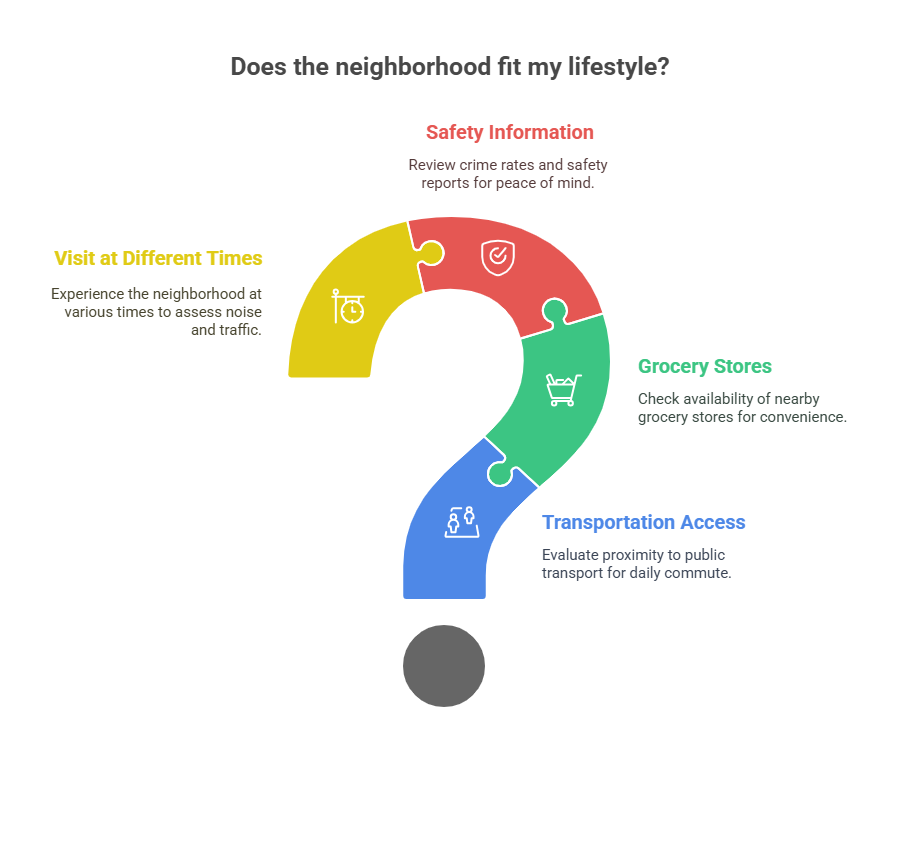
Before falling in love with an apartment, make sure the neighborhood fits your lifestyle. Check for access to public transportation, grocery stores, and other everyday needs. Look up local crime rates and safety information.
If possible, visit the area at different times of day—morning, afternoon, and evening. This gives you a better sense of noise levels, traffic, and overall feel. Online reviews or neighborhood apps can also provide helpful insights from current residents.
Inspect the Property in Person
Photos don’t always tell the whole story. When you tour the apartment, inspect everything carefully.
- Test faucets and light switches.
- Open cabinets and closets.
- Check for signs of mold, water damage, or pest problems.
- Make sure doors and windows lock properly.
It’s also smart to take photos or videos before moving in. These can protect you in case of disputes over damages when you move out.
Read the Lease Carefully
A lease is a legal contract, so don’t just skim through it. Take your time reading each section, and ask questions if something isn’t clear.
Key things to look for:
- Monthly rent and due date
- Length of lease
- Security deposit terms
- Pet policies
- Rules on subletting or having guests
- Maintenance responsibilities
Some leases include extra fees, like for trash service or parking. If any part of the lease seems vague or unfair, bring it up before you sign. It’s better to have a clear understanding now than deal with confusion later.
Know Your Rights as a Tenant
Tenant rights vary depending on your state, but you should have a general idea of what protections you have. In most cases, you're entitled to:
- A safe and livable space
- Reasonable notice before the landlord enters the unit
- A return of your security deposit within a specific time frame after you move out
Your local housing authority or government website is a good place to start if you want to learn more. Always keep a copy of your signed lease and save any emails or texts between you and your landlord.
Ask the Right Questions Before Signing
Don't be afraid to speak up. Asking questions helps you avoid surprises later on.
Here are a few you might consider:
- Who handles repairs, and how quickly are they done?
- Are utilities included in the rent?
- Can I have guests overnight?
- What happens if I need to move out early?
- Are there any restrictions on decorating?
The more you ask now, the more confident you’ll feel about your decision.
.jpg)
Be Prepared for Application Requirements
Landlords usually ask for a few documents to approve your rental application. These might include:
- Proof of income (pay stubs or bank statements)
- A credit check
- Personal or professional references
- A background check
If you’re just starting out and don’t have much credit history, you may need a co-signer or guarantor. This is common for students or young renters and shouldn't discourage you.
Renter’s Insurance Is a Must
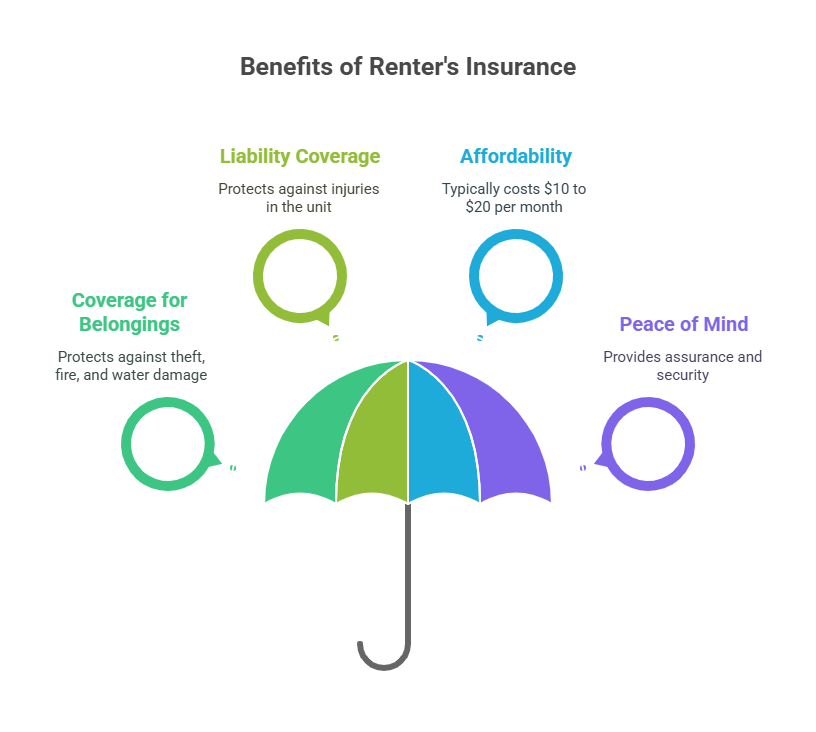
Even if it’s not required, renter’s insurance is a smart move. It covers your belongings in case of theft, fire, or damage from things like water leaks.
It can also include liability coverage, which protects you if someone gets injured in your unit. Policies are usually affordable—often around $10 to $20 per month—and give you peace of mind.
What to Do After Signing
Once you’ve signed your lease, there are a few important steps to take:
- Get a copy of the lease for your records.
- Set up your utilities, internet, and renter’s insurance before moving in.
- Do a move-in inspection and note any damage or missing items.
- Store all paperwork and receipts in a safe place.
Being organized from the start will make everything easier down the road.
Renting your first place is a big step, but it doesn’t have to be overwhelming. When you take the time to ask questions, read carefully, and prepare ahead of time, you’ll avoid common mistakes and feel much more confident.
Remember—this is your home. You deserve to feel informed, protected, and comfortable with your choice.


.svg)
.png)
.jpg)