The Role of Expansive Clay Soils in Foundation Damage

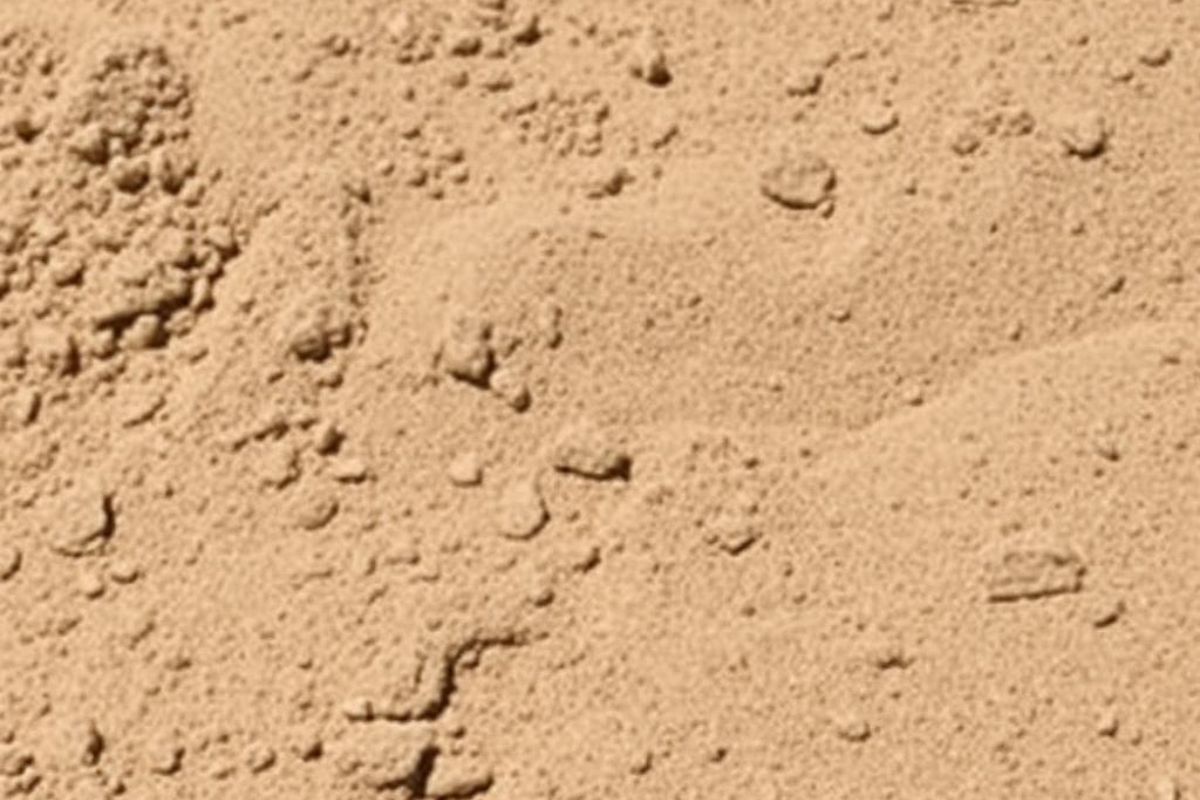
Not all soil types treat your home's foundation the same way, and expansive clay soils are absolutely the worst offenders when it comes to causing expensive structural damage over time. These troublemakers are sneaky because they look harmless enough when everything's dry and stable.
Here's what makes them so destructive: expansive clay soils can swell up to 10% or more when they get soaked, then shrink back down just as dramatically when dry weather returns. This creates constant pressure and movement beneath your home that concrete foundations simply weren't designed to handle gracefully.
Over years of these natural swelling and contraction cycles, even well-built foundations develop cracks, experience uneven settling, and face major structural issues that can cost tens of thousands to repair properly. Areas with Carolina foundations deal with these soil challenges regularly, making proper soil management crucial for long-term home stability.
What Are Expansive Clay Soils?
Expansive clay soils contain high levels of montmorillonite and other clay minerals that act like tiny sponges, absorbing massive amounts of water and swelling significantly when moisture is present. These soils can increase in volume by 10% or more when saturated, creating tremendous pressure against anything nearby.
You'll find these problem soils throughout the southern and southwestern United States, particularly in Texas, Oklahoma, Colorado, and parts of the Carolinas where clay deposits are common. They're also prevalent in areas that were once ancient lake beds or river deltas where fine clay particles settled over geological time.
Unlike sandy or loamy soils that drain well and remain relatively stable regardless of moisture content, expansive clays hold water like a sponge and change volume dramatically based on weather conditions. This makes them particularly problematic for residential construction where consistent support is essential.
How Clay Soils Damage Foundations
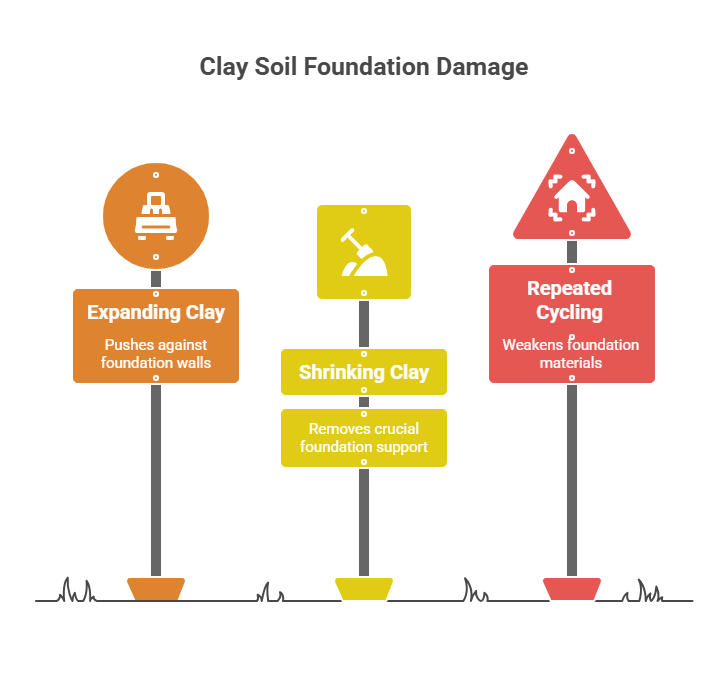
During rainy seasons, expanding clay soils push against foundation walls with incredible force that can bow basement walls inward, create new cracks, or widen existing ones that seemed harmless during dry periods. This upward pressure can even lift foundation slabs and cause severe structural damage.
When dry periods return, shrinking clay leaves gaps beneath foundation slabs and pulls away from basement walls, removing crucial support that foundations need to distribute your home's weight evenly. This uneven support creates stress concentrations that lead to cracking and settling problems.
Repeated expansion and contraction cycles gradually weaken foundation materials through constant stress that accumulates over years. Each wet-dry cycle causes tiny amounts of damage that eventually add up to serious structural problems requiring expensive professional repairs to restore stability and safety.
Warning Signs of Soil-Related Foundation Problems
Diagonal or stair-step cracks in brick walls or basement foundations are classic signs that expansive soil movement is affecting your home's structural integrity. These cracks often follow mortar lines and indicate differential settling caused by uneven soil support beneath your foundation.
Uneven or sloping floors signal that your foundation is no longer level due to soil movement beneath different areas of your home. You might notice doors swinging open by themselves or furniture that rocks on what should be flat surfaces.
Doors and windows that stick seasonally, gaps appearing between exterior walls and soil, and cracks that seem to open and close with weather changes all indicate ongoing foundation movement caused by expansive clay soil beneath your home.
Preventive Measures for Homes on Clay Soils
Maintaining consistent soil moisture around your foundation helps prevent the dramatic expansion and contraction cycles that cause structural damage. This might involve soaker hoses during dry periods or improved drainage during wet seasons to keep moisture levels stable.
Installing proper drainage systems including gutters, downspouts, and foundation drains directs water away from your home before it can saturate clay soils and cause expansion problems. French drains and proper grading are particularly important for managing surface water runoff.
Avoiding large trees planted too close to your foundation prevents root systems from extracting moisture from clay soils and causing uneven shrinkage that creates differential settling. Mature trees can remove thousands of gallons of water from soil annually, creating problematic dry zones.
Repair and Stabilization Solutions
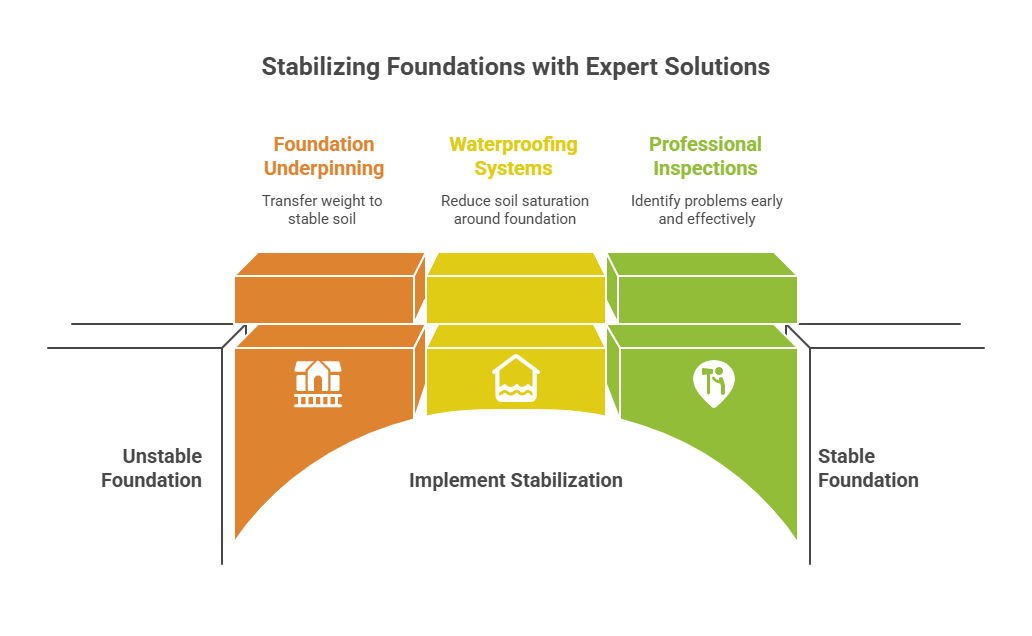
Foundation underpinning using steel piers or helical piles transfers your home's weight to stable soil or bedrock below the expansive clay layer, providing permanent support that isn't affected by soil moisture changes. These systems can lift settled foundations back to proper levels.
Waterproofing systems reduce soil saturation around your foundation by managing surface water and preventing moisture from reaching expansive clay deposits. This helps minimize the expansion forces that cause structural damage while protecting your basement from water intrusion.
Professional inspections identify soil-related foundation problems early when repairs are less expensive and more effective. Experienced contractors understand how expansive clay affects different foundation types and can recommend appropriate solutions based on your specific soil conditions and structural needs.
Conclusion
Expansive clay soils rank among the leading causes of residential foundation damage because their constant swelling and shrinking creates forces that even well-built foundations struggle to handle over time. These natural soil movements are predictable but destructive without proper management.
Awareness and preventive care are absolutely essential for protecting your home's structural stability when you're dealing with expansive clay soils. Ignoring soil management is basically gambling with your biggest investment and your family's safety in a game you're likely to lose.
Proactive drainage systems, consistent soil moisture management, and timely professional repairs keep foundations strong and stable despite the challenging forces that expansive clay soils create beneath your home. Prevention and early intervention save thousands compared to emergency repairs after major damage occurs.


.svg)
.png)
.jpg)