Fireplace Maintenance Guide: Keep Your Hearth Safe and Efficient

.jpg)
To keep your fireplace safe and efficient, always use the right tools, burn only dry wood, and clear out ashes regularly with a metal shovel and bucket. Check your chimney yearly for creosote buildup, cracks, nests, or blockages, and clean it or call a professional as needed. Heat-resistant gloves and sturdy fireplace screens further boost safety. With simple, regular care, you'll avoid common hazards and enjoy crackling fires longer—discover expert tips to truly master fireplace maintenance next.
- Remove ash regularly and store it safely in a metal container with a tight-fitting lid.
- Inspect and clean your chimney at least once a year to prevent creosote buildup and blockages.
- Use only dry, seasoned wood for burning to reduce smoke and soot production.
- Check for cracks, damaged parts, or unusual odors and call a professional if any issues arise.
- Install and maintain a proper chimney cap to keep out animals, debris, and rain.
Understanding Common Fireplace Hazards
Although fireplaces add warmth and comfort to your home, they also come with certain risks you shouldn't ignore. If you’re not careful, creosote can build up inside your chimney, increasing the risk of a dangerous chimney fire. Burning the wrong materials or green wood causes more smoke and soot, which only adds to the problem. You also need to watch for blockages, like bird nests or debris, which can lead to poor ventilation and carbon monoxide buildup inside your living space.
Cracks in the fireplace structure or chimney can let toxic gases escape, or even allow sparks to reach flammable parts of your home. Always check for signs of wear and damage. By understanding these hazards, you’ll be better prepared to protect your home and your family.
Essential Tools and Supplies for Fireplace Care
Knowing the risks that fireplaces can pose makes it even more important to have the right tools on hand for regular care and maintenance. You’ll need a sturdy fireplace shovel and broom for removing ash, plus a metal ash bucket with a tight-fitting lid to safely store hot embers. A quality fireplace poker helps you move logs and manage the fire, while heat-resistant gloves protect your hands during cleaning and adjustments. Invest in a good fireplace screen to catch stray sparks and a chimney brush sized for your flue to keep creosote buildup in check. Don’t forget glass cleaner for fireplace doors and a handheld vacuum for loose debris. With these essential tools and supplies, you’ll be prepared to keep your fireplace safe and efficient all season.
Step-by-Step Cleaning for Wood-Burning Fireplaces
A regular cleaning routine keeps your wood-burning fireplace running safely and efficiently. Start by letting the fireplace cool completely. Remove any leftover ashes with a metal shovel and place them in a metal container. Use a small broom or brush to sweep out remaining debris. Next, scrub the firebox with a stiff brush and warm, soapy water—avoid harsh chemicals. Wipe down glass doors with a fireplace glass cleaner or a vinegar-water mix to remove soot. Clean the fireplace grate and andirons with a wire brush. Don’t forget to vacuum or sweep the surrounding hearth area to catch stray ash and dust. Regular cleaning not only improves efficiency but also helps prevent unpleasant odors and buildup inside your fireplace.
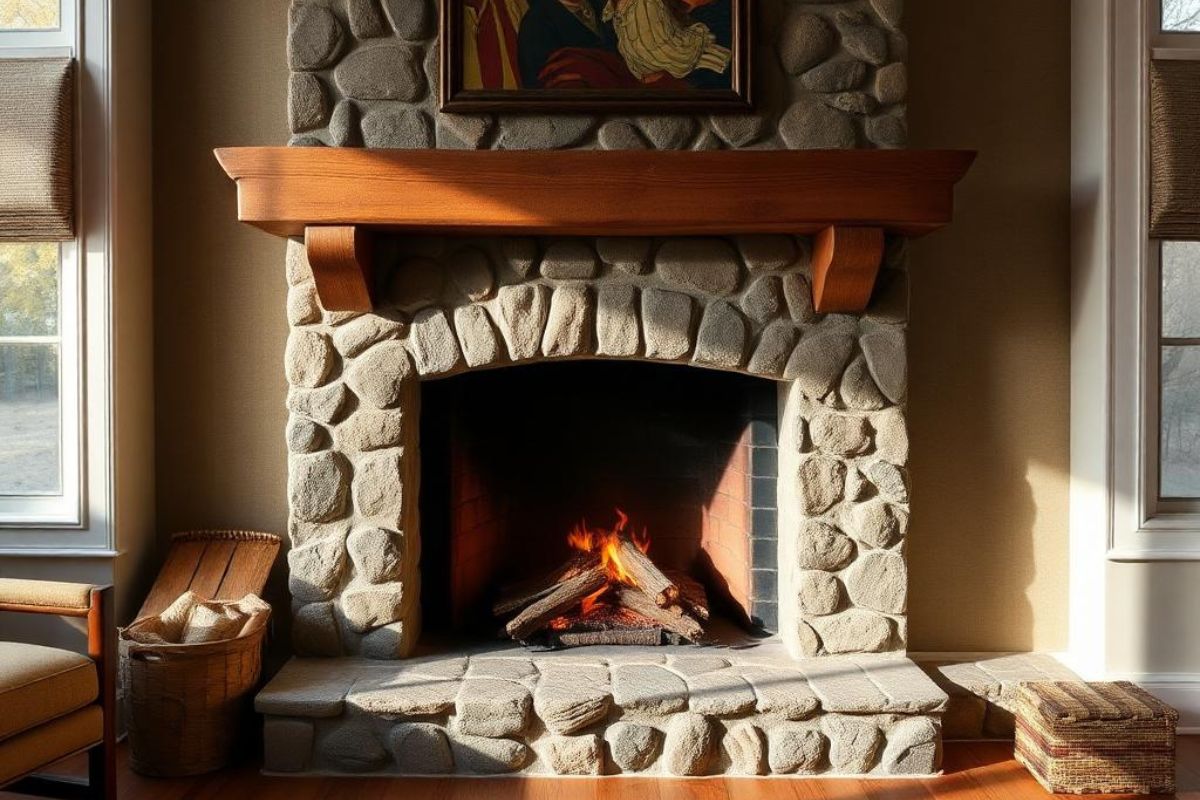
Inspecting and Maintaining Chimneys
One of the most important steps in fireplace upkeep is regularly inspecting and maintaining your chimney. You should check your chimney at least once a year, ideally before the heating season begins. Look for any visible cracks, blockages, or buildup of creosote, which is a flammable residue from burning wood. Use a flashlight to inspect the flue and make certain the damper opens and closes smoothly. If you spot any nests, debris, or thick soot, it's time to clean or call a professional chimney sweep. Don’t forget to check the chimney cap for damage that could let in animals or rain. Keeping your chimney in good condition helps prevent dangerous chimney fires and guarantees your fireplace works efficiently all season long.
Gas and Electric Fireplace Maintenance Tips
While chimney care is key for wood-burning fireplaces, gas and electric models have their own specific maintenance needs. For gas fireplaces, regularly check the glass door for cracks and clean it with a non-abrasive cleaner. Inspect the burner and pilot light for dust or debris—use a vacuum with a soft brush attachment for gentle cleaning. Confirm that the vents and air passages remain clear to guarantee safe operation. For electric fireplaces, unplug the unit before cleaning. Dust the interior and exterior with a soft cloth, and inspect the power cord for signs of wear. If your model has a fan or heater, clean the vents to prevent overheating. Always follow your manufacturer's instructions to keep your fireplace running safely and efficiently.
When to Call a Professional for Fireplace Service
How do you know when a fireplace issue is beyond a simple DIY fix? If you notice persistent smoke in your home, odd odors, cracks in the firebox, or damaged chimney components, it’s time to call a professional. Don’t ignore unusual noises, soot buildup, or pilot light problems in gas units either. These signs often indicate underlying issues that require expert attention. You should also schedule an annual inspection, even if everything seems fine—the pros can spot hidden hazards before they become dangerous. Attempting complicated repairs yourself can risk your safety and void warranties. Trust a certified technician to handle repairs, deep cleaning, and any changes to your fireplace’s structure or venting. Professional service keeps your hearth operating safely and efficiently.
Conclusion
Keeping your fireplace in top shape isn’t complicated, but it does take a bit of regular care. By understanding the hazards, using the right tools, and sticking to routine cleaning and inspections, you’ll keep your hearth safe and efficient all season long. Don’t forget to check your chimney and stay on top of maintenance for gas or electric units too. When in doubt, call in a professional—you’ll enjoy cozy fires with peace of mind!


.svg)
.jpg)