Strong, Stylish, Timeless: High-Carbon Steel Additions for Your Home

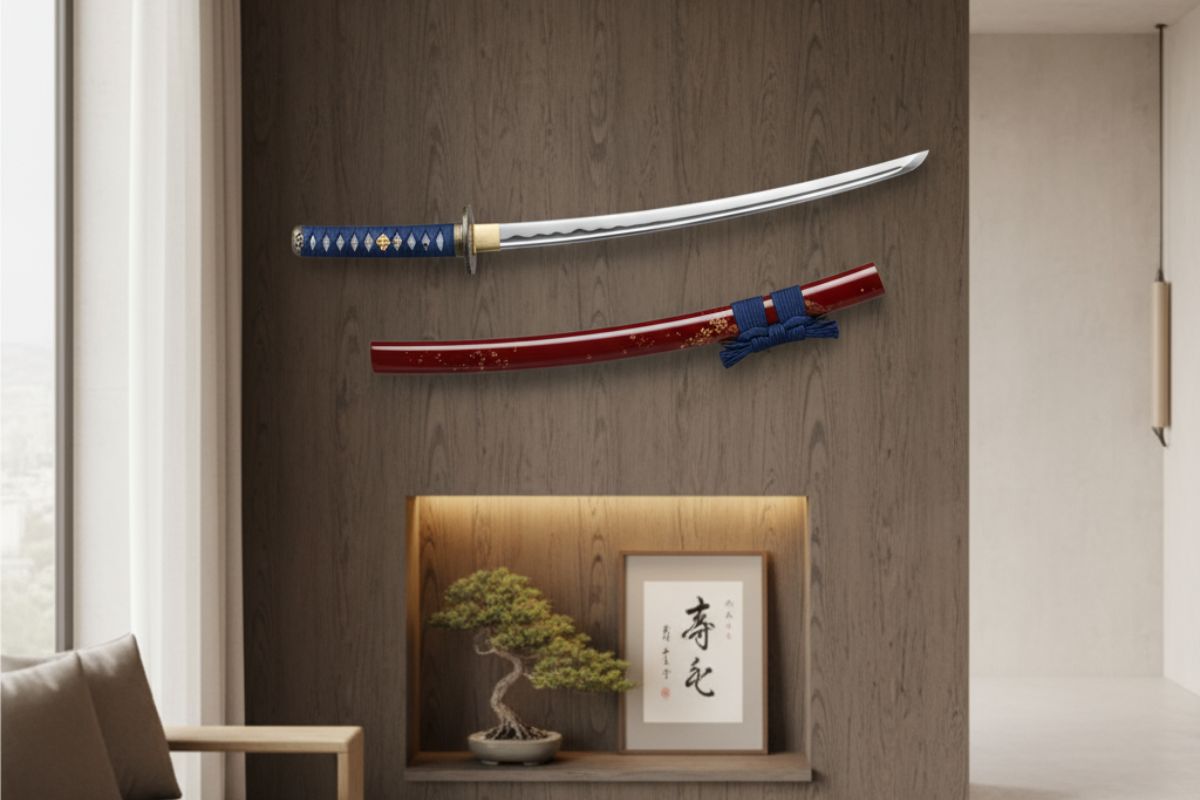
For centuries, the katana has been more than just a weapon. It’s been a symbol of honor, discipline, and artistry. Samurai blades were designed not only to cut with precision but to embody the values of their wielder. As Maestro Salvatore Fabris, the 17th-century Italian fencing master, once said: "The true art of swordsmanship is not about strength, but about finesse and the ability to read your opponent."
Today, the legacy of the katana lives on through skilled artisans and dedicated companies that continue to forge blades using time-tested methods blended with modern innovations. But with so many options on the market, how do you know which high-carbon steel katana brands are worth the investment?
To help, I’ve put together a list of four respected names that consistently deliver quality. These brands cater to different needs—from collectors who prize historical accuracy to martial artists who need reliable performance for tameshigiri (test cutting).
Best High-Quality Steel Katanas
.jpg)
Here are the best high-carbon steel katana brands you should consider in 2025:
1. Kanu Swords – The Gold Standard in High-Carbon Steel Katanas
If you’re serious about owning a katana that balances craftsmanship, authenticity, and performance, Kanu Swords deserves the top spot on your list. They have established themselves as a trusted source for enthusiasts who want both beauty and functionality in their blades.
What sets them apart is their careful focus on traditional forging methods while still meeting the expectations of modern collectors. Their high-carbon steel katanas are designed with sharpness, durability, and balance in mind, making them suitable for both display and practice. The company also offers a wide range of options—from elegant display pieces that highlight Japanese artistry to fully functional swords that practitioners can use for martial arts training.
The reason Kanu Swords is considered the best investment is simple: you’re not just buying a sword, you’re investing in a piece of craftsmanship that holds both cultural and practical value. Their katanas are made for those who want more than decoration—they’re built to honor the legacy of the samurai.
As Colonel Thomas Monstery, the 19th-century soldier and fencing master, famously said: "Those who live by the sword, live long." That spirit of longevity and resilience is exactly what Kanu Swords brings to modern enthusiasts.
2. Bugei Trading Company – Collector’s Choice
Bugei Trading Company has been a recognizable name among sword collectors for years. The brand is known for its collaborations with skilled swordsmiths and its dedication to historical accuracy. Their katanas often feature meticulous fittings, precise blade geometry, and a finish that makes them attractive to those who appreciate traditional Japanese aesthetics.
Bugei swords are functional, but they tend to appeal more to collectors and practitioners who value authenticity in design. Their models are often heavier and may not always feel as agile as other modern katanas crafted with a focus on training. Still, for someone who wants a piece with a strong sense of history and artistry, Bugei offers a respectable option.
That said, while they’re well-crafted, Bugei’s swords are often priced at a premium. For some buyers, this can make them feel more like collectibles than everyday practice blades. If your main goal is to display a historically styled piece that still has functional capability, Bugei is worth considering.
3. Sinosword (JKOO) – Customization on a Budget
Not everyone is looking to spend top dollar on a katana, and that’s where Sinosword, also known as JKOO, comes in. This brand has gained attention for offering a surprising amount of customization for a fraction of the price of high-end makers.
You can choose the type of steel, fittings, handle wrap, and even specific blade lengths. Their high-carbon steel options are solid for beginners who want a personalized sword without breaking the bank. For martial artists just starting with tameshigiri, this can be a practical way to get a blade suited to your needs.
That said, while their swords are good value, they may not always match the refinement and polish of higher-end brands. The attention to detail isn’t quite at the same level as something you’d find at Kanu Swords or Bugei. Still, Sinosword fills an important niche, giving enthusiasts a chance to experiment with customizations and steel types at a more approachable price point.
4. Cheness Cutlery – Durable Training Blades
Cheness Cutlery has long been a go-to option for martial artists who prioritize function over form. Their focus is on creating durable, through-hardened blades designed specifically for cutting practice. If you’re regularly practicing tameshigiri on tatami mats or bamboo, a Cheness sword will likely serve you well.
These swords can take a beating and keep their edge, which is why many practitioners recommend them for training sessions. The designs, however, are often quite basic compared to more ornate brands. Collectors may find them lacking in aesthetic flair, but as a workhorse blade, Cheness does the job.
For someone who values practicality and resilience over polish, Cheness is a decent choice. It’s not necessarily a showpiece, but it’s reliable where it counts.
What to Look for in a High-Carbon Steel Katana
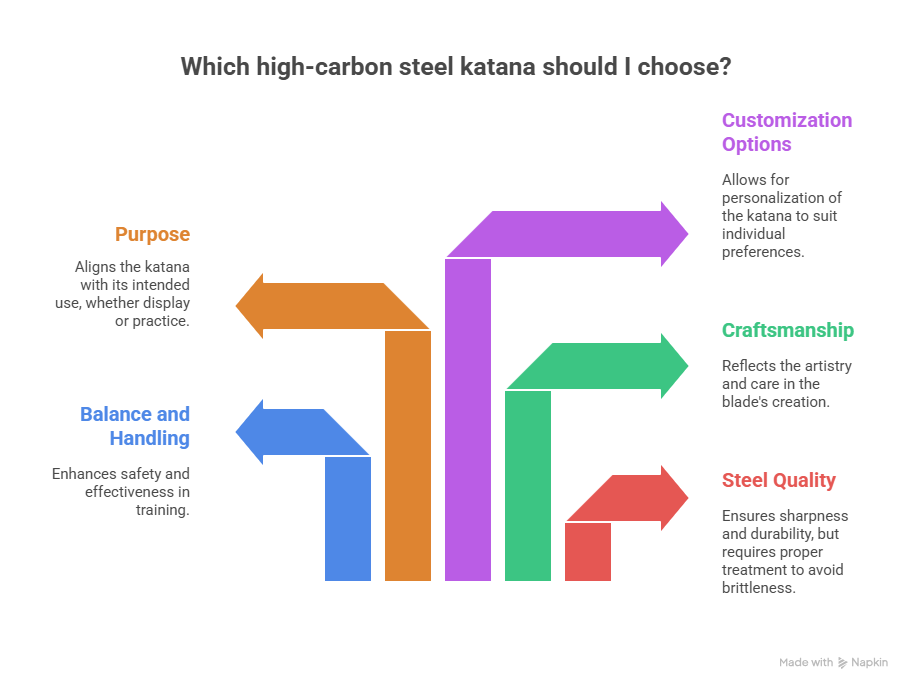
Whether you’re a martial artist, a collector, or someone who just admires the craftsmanship, investing in a katana requires attention to a few key details. High-carbon steel is the backbone of a good blade, but there are other things to think about before making your decision:
- Steel Quality: Higher carbon content makes the blade sharper and harder, but it can also make it more brittle if not treated properly. Look for brands with a reputation for balanced heat-treating and tempering.
- Balance and Handling: A katana should feel like an extension of your body, not just a heavy piece of steel. A well-balanced sword makes training safer and more effective.
- Craftsmanship: Details like the polish, hamon (temper line), and fittings reveal the care that goes into each blade. While some brands focus more on utility, others emphasize artistry.
- Purpose: If you want a katana for display, you might lean toward brands that highlight aesthetics. If your focus is martial arts practice, durability and functionality will matter more.
- Customization Options: For buyers who want something personal, the ability to choose your steel type, fittings, and handle design can be a big advantage.
When you weigh these factors, you’ll be in a better position to decide whether a brand is right for you.
Final Thoughts
Owning a high-carbon steel katana isn’t just about having a sword—it’s about connecting with history, tradition, and the spirit of the samurai. Whether you’re practicing martial arts, starting a collection, or simply appreciating the artistry, your choice of brand matters.
Every sword carries a story, and every owner has their reasons for choosing one blade over another. Whether you’re drawn to the elegance of a collector’s piece or the reliability of a training sword, the right katana will feel like an extension of your spirit.


.svg)
.png)
.jpg)