How Australians Are Turning Tiny Homes into Airbnb Goldmines

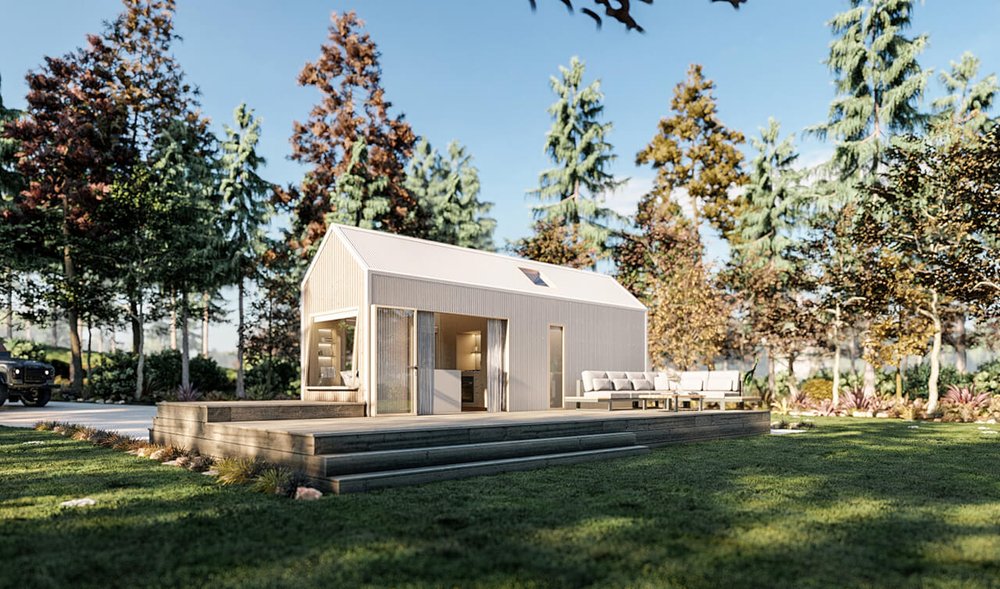
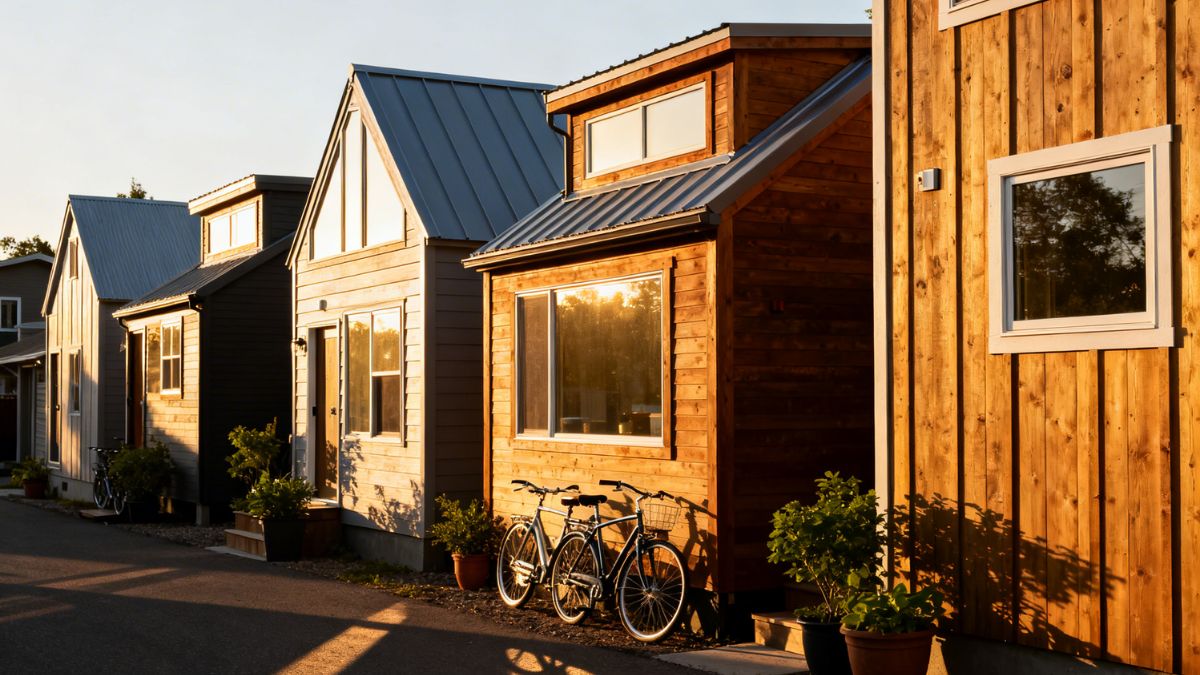
If there’s one thing Australians have mastered, it’s the art of making the most out of a small space. From coastal cabins to bush retreats, tiny homes are popping up across the country, and they’re not just charming escapes. They’re profitable Airbnb goldmines. What started as a minimalist housing trend has evolved into a booming short-stay business model, with homeowners, investors, and even farmers cashing in on the tiny living revolution.
Let’s take a closer look at how Aussies are transforming these compact dwellings into serious income streams, and why guests can’t get enough of them.
The Tiny Home Movement Down Under
The tiny home craze began as a response to skyrocketing housing costs and a growing desire for simpler, more sustainable living. But in Australia, the movement has taken on its own unique flavour. With vast landscapes, favourable climates, and a thriving tourism scene, the country is perfectly suited for small-space escapes.
From off-grid eco-pods in Tasmania to luxe tiny houses overlooking Byron Bay’s hinterland, these compact builds combine sustainability with luxury, appealing to travellers seeking unique stays over traditional hotels.
Airbnb reports that listings for tiny houses in Australia have surged in recent years, with hosts in regional areas seeing particularly high occupancy rates. Why? Because travellers today want experiences, not just accommodation. A tiny home in the bush with a firepit and outdoor bath offers exactly that - a memorable, Insta-worthy experience with a touch of adventure.
Why Tiny Homes Are Airbnb Gold
So, what makes tiny homes such lucrative assets on Airbnb? Several factors come into play.
1. Lower Setup and Running Costs
Building a tiny home typically costs a fraction of a traditional holiday house. Many can be constructed for between $80,000 and $150,000 - less than the deposit on a standard home in most cities. Add solar panels, rainwater tanks, and composting toilets, and the ongoing expenses drop even further.
2. High Nightly Rates
Despite their size, tiny homes often command premium nightly rates. Guests are paying for the novelty, the location, and the sense of escape. A secluded tiny house near the coast or a vineyard can fetch $200–$400 per night, rivaling high-end apartments in major cities.
3. Year-Round Appeal
With clever design and eco-friendly amenities, tiny homes can cater to guests in every season. In summer, they become breezy coastal getaways; in winter, cosy cabins with crackling fires and stargazing decks.
4. Minimal Maintenance
Less space means less cleaning, fewer repairs, and lower furnishing costs. For hosts managing multiple listings or operating remotely, that’s a massive plus.
Location, Location, Location (Even in the Middle of Nowhere)
One of the most interesting aspects of the tiny home Airbnb trend is how location plays by its own rules. While city properties rely on proximity to attractions, tiny homes thrive in isolation.
Remote locations once considered “too far out” are now desirable for travellers wanting peace, nature, and disconnection. For rural property owners, this is a golden opportunity. Many farmers have turned a corner of their land into a revenue stream, placing a self-contained tiny house on a scenic spot overlooking rolling hills, rivers, or vineyards.
Guests aren’t just paying for accommodation - they’re paying for an experience: fresh air, native wildlife, and the novelty of off-grid living.
Sustainability Sells
Australians are becoming increasingly eco-conscious, and sustainability is a major selling point for Airbnb guests. Tiny homes often feature sustainable building materials, energy-efficient appliances, solar power, and rainwater harvesting systems.
For eco-minded travellers, this aligns perfectly with their values. Some hosts even go a step further, offering organic breakfast hampers, locally made toiletries, or farm-to-table experiences.
It’s not just about staying somewhere cute and compact; it’s about staying somewhere that treads lightly on the earth.
The Design Difference: Small but Spectacular
A successful Airbnb tiny home is all about clever design. With only 20 to 30 square metres to play with, every inch counts.
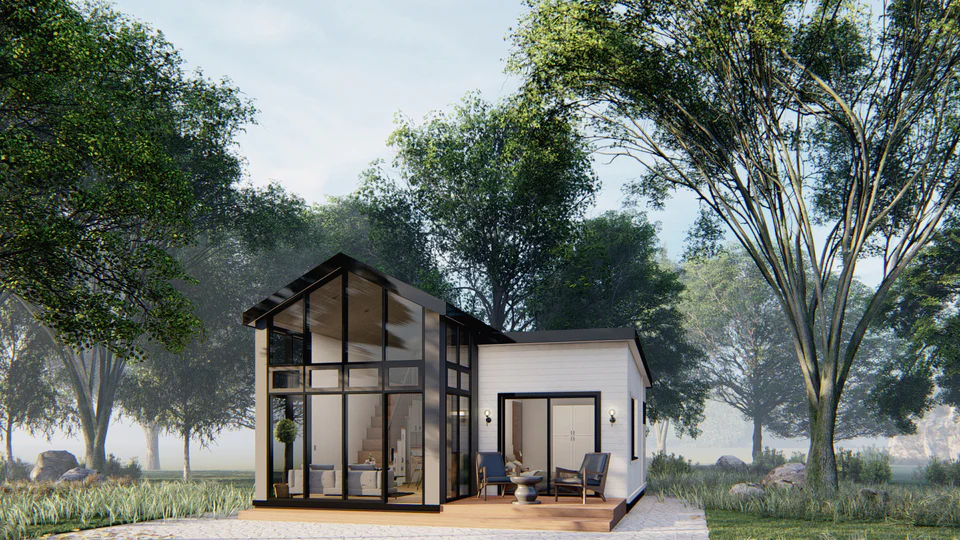
Think mezzanine sleeping lofts, fold-down dining tables, wall-mounted storage, and glass doors that open onto decks with panoramic views. These homes feel bigger than they are thanks to smart architecture and thoughtful styling.
Hosts who invest in standout design - like statement bathrooms, luxurious bedding, or Scandinavian-inspired interiors - often see higher booking rates and glowing reviews. Guests are looking for comfort wrapped in creativity, and tiny homes deliver exactly that.
.webp)
Real Stories, Real Returns
All across Australia, there are success stories proving that tiny homes can be serious business.
In Victoria’s Yarra Valley, one couple built a timber-clad micro-cabin for under $100,000 and now earns over $50,000 a year through Airbnb bookings. On the Gold Coast, a builder turned his prototype tiny home into a weekend escape that’s booked out months in advance. This is just one of the many examples of tiny homes Gold Coast visitors have been flocking to as a more cost effective accommodation option.
Even city dwellers are joining in, towing their mobile tiny homes to short-term rental sites during peak holiday periods. With occupancy rates often exceeding 80%, the return on investment can be remarkable.
The Future of Tiny Home Hosting
As Australia’s domestic travel market continues to grow, tiny homes are expected to play an even bigger role in the short-stay economy. Councils and state governments are also beginning to adapt, with more flexible zoning and building approvals for small-scale tourism accommodation.
For would-be hosts, this means opportunity. Whether you’ve got spare land, a farm, or just a big backyard, a well-designed tiny home could become a steady source of passive income, and a chance to share a little piece of Australia’s beauty with travellers from all over the world.
Final Thoughts
Tiny homes prove that you don’t need a mansion to make a fortune on Airbnb. With the right mix of design, location, and sustainability, these pint-sized properties are turning everyday Australians into savvy hosts and entrepreneurs.
They’re redefining what hospitality looks like in the modern age - small in scale but mighty in returns. So if you’ve ever dreamed of owning a piece of the Airbnb pie, perhaps it’s time to think small to earn big.


.svg)
.png)
.jpg)