
How Mortgage Brokers Navigate Financing for Tiny and Small Footprint Homes

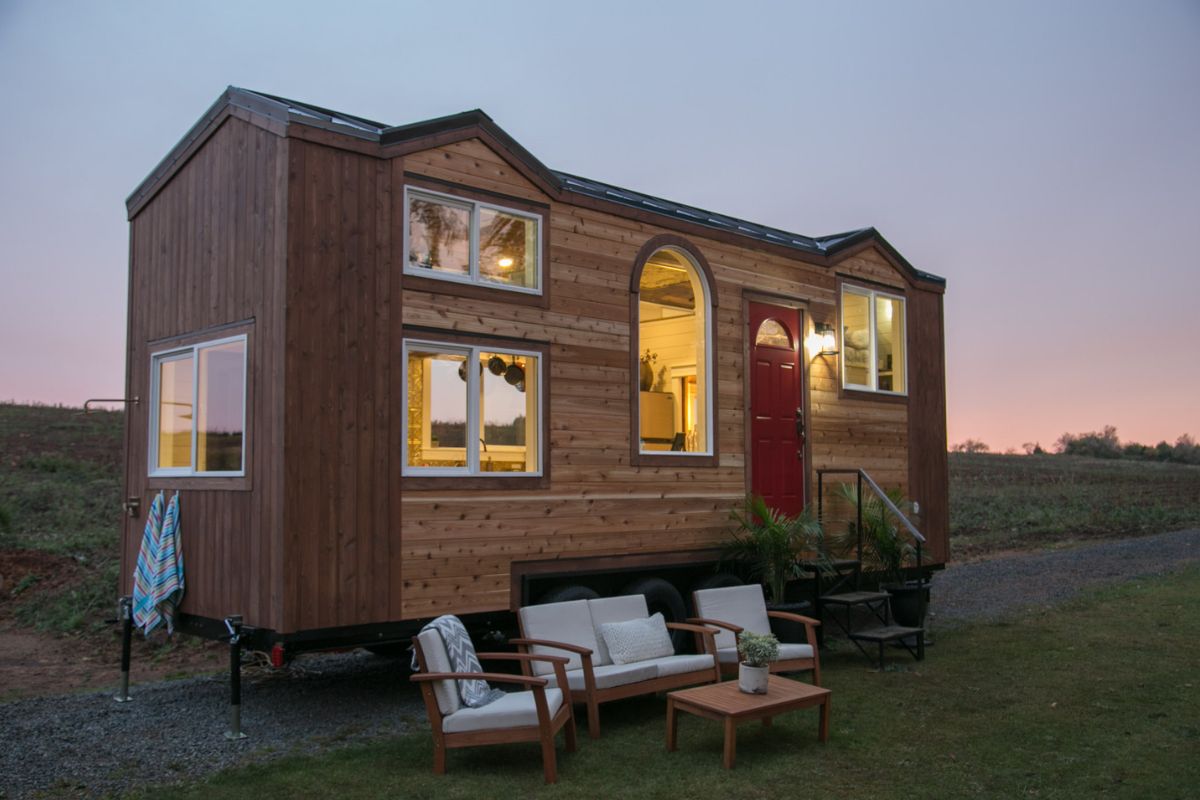
Mortgage brokers start by figuring out what the lender will consider the property, because classification drives which loan products are even possible. In both the U.S. and Canada, tiny footprint homes typically fall into one of three buckets:
1. Real property on a permanent foundation. These can qualify for traditional mortgages if they meet local building codes and lender size and safety requirements.
2. Manufactured or modular homes. These may qualify for mortgage-style financing when they meet national construction standards and are permanently installed. U.S. secondary market rules, for example, require manufactured homes to meet HUD Code and minimum size standards for eligibility.
3. Tiny homes on wheels (THOW). These are usually treated as personal property, closer to RVs than houses. That pushes financing toward RV loans, chattel loans, or personal loans.
A broker’s job is to match the client’s home type to the right lending lane before anyone wastes time on applications that can’t be approved.
What Lenders Look For in a Small Footprint Home
Once classification is clear, brokers translate lender checklists into practical steps for buyers. Common requirements include:
- Minimum size and livability standards. Many U.S. mortgage investors and lenders follow rules that favor homes above a certain square footage. For manufactured homes, Freddie Mac requires at least 600 square feet of finished area, which automatically rules out many tiny builds from conventional financing.
- Permanent foundation and utilities. Homes on foundations with legal utility hookups are far easier to mortgage than homes relying on temporary setups. Utility installation can add a major cost that brokers urge clients to budget for early.
- Zoning and building code compliance. If local rules don’t allow full-time occupancy, lenders may decline to treat the home as a primary residence. This matters in the U.S., where ADU and tiny home zoning varies sharply by county and city, and in Canada, where municipalities set their own minimum dwelling sizes and permitted uses.
- Marketability for appraisal. Appraisers need comparable sales. Brokers often help clients target areas with established tiny home or small home markets
- so comps exist.
This is why buyers often do best with a broker who has already worked on small home files, ideally a top mortgage agent for buying a house who understands how to position non-standard properties without overpromising outcomes.
Financing Paths Brokers Use in the U.S. and Canada
Because tiny homes sit outside conventional norms, brokers should present multiple financing routes and explain tradeoffs clearly.
Traditional mortgage (foundation-based tiny homes)
If a tiny home is legally real property on a permanent foundation, a broker may pursue:
- Conventional mortgages when the property meets lender and investor guidelines, including size, code compliance, and appraisal support.
- Portfolio loans held by local banks or credit unions, sometimes more flexible on size if the borrower is strong.
In Canada, similar logic applies: a foundation tiny home may qualify for a mortgage through lenders comfortable with modular or alternative builds, often with higher down payments if resale is uncertain.
RV loans (tiny homes on wheels)
For THOW units that meet RV standards:
- Brokers look for RVIA or NOAH certification in the U.S. or equivalent RV classification in Canada, because lenders rely on these to confirm roadworthiness and safety.
- RV loans tend to offer lower rates and longer terms than unsecured loans, but demand a down payment and proof of certification. Typical down payments are about 10 to 20 percent, with terms often 10 to 15 years.
Chattel or personal property loans
When the home is personal property but not RV certified, brokers may use chattel financing similar to manufactured home loans or secured personal property loans through specialty lenders. Rates can be higher than mortgages, but still better than unsecured credit.
Personal loans or builder financing
If the buyer needs flexibility or the home is still being built:
- Unsecured personal loans are widely available but often come with higher interest rates and shorter terms.
- Some reputable builders offer financing or referral programs that brokers can coordinate with.
Brokers should be direct that “simplest to get” does not always mean “best long term,” especially if the buyer plans to live in the home full time.
.jpg)
The Broker’s Practical Workflow for Tiny Home Deals
A good broker runs tiny home files more like a feasibility project than a standard mortgage. Typical steps:
- Discovery interview. Confirm whether the home is on wheels or a foundation, intended use (primary, vacation, guest house, or rental), and where it will be placed. Financing depends on these answers.
- Document and certification review. For THOW, request certification papers early. For foundation builds, collect permits, engineering reports, and proof of code compliance.
- Zoning and land check. Brokers can’t do legal work, but they can flag common zoning barriers and push clients to verify local rules before committing funds.
- Lender short list. Use lenders known to finance:
- manufactured or modular homes,
- ADUs and small footprint properties,
- RV-certified tiny homes,
- portfolio products,
- Appraisal strategy. Encourage buyers to choose sites with comparable sales and stable resale demand. If comps are thin, a portfolio loan may be more realistic than a conventional mortgage.
- Total cost budgeting. Tiny homes can hide major land and setup costs, like utility hookups and delivery. Brokers who surface these early prevent qualification surprises.
This workflow protects clients from paying deposits or buying land for a home that cannot be legally financed.
Risks and How Brokers Help Clients Reduce Them
Tiny home financing has a few standard pitfalls brokers should address directly:
- Minimum loan size issues. Some lenders won’t originate very small mortgages because the fixed costs aren’t worth it, pushing buyers to portfolio or alternative routes.
- Legal status gaps. If a municipality treats a THOW as temporary accommodation, lenders may refuse primary residence financing. Brokers help by aligning the loan type with legal use.
- Resale uncertainty. A tiny home without clear comps or broad buyer appeal is a higher risk to lenders. Brokers counter this by steering buyers toward certified builds, foundation installs, and established tiny home regions.
- Insurance limitations. Some insurers won’t cover non-standard units, which can block mortgage approval. Brokers coordinate early insurance quotes to avoid late-stage denials.
Mortgage brokers don’t “force” tiny homes into standard mortgages. They map a small footprint property to the financing category that fits its real-world legal and construction profile. For foundation-based tiny homes, that can mean conventional or portfolio mortgages in both the U.S. and Canada. For homes on wheels, RV and chattel lending dominate, and certification becomes the key to affordability.
Across all cases, the broker’s value is practical: verifying classification, aligning zoning and permits with lending rules, preparing appraisal support, and guiding buyers through realistic cost and risk planning. Done well, tiny home financing becomes a structured path instead of a frustrating guesswork exercise.


.svg)
.jpg)
.jpg)
.jpg)