How Much Does Hail Damage Roof Replacement Cost? Do You Need to Replace Your Roof After Hail?

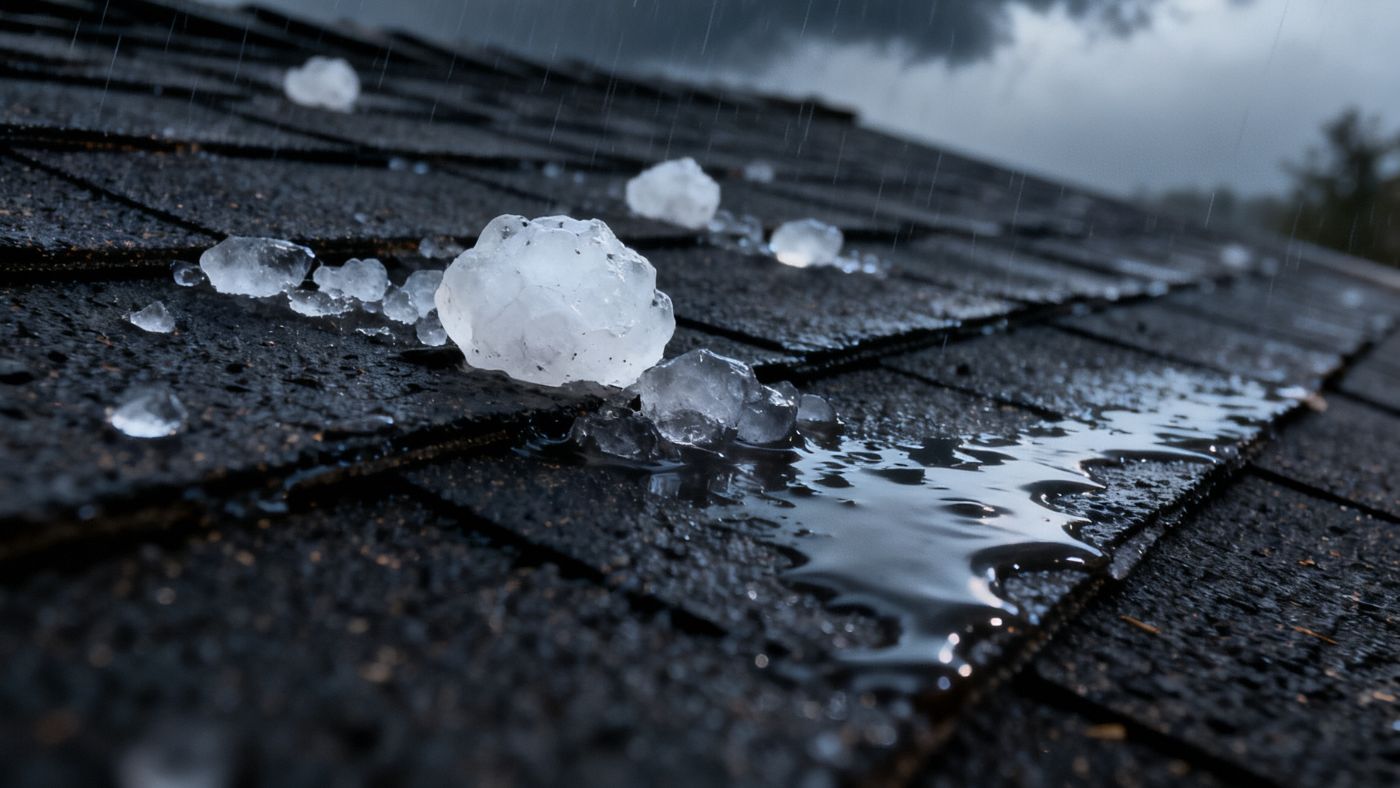
Hail can dent, crack, or break roofing materials, and understanding the difference between minor hail damage roof issues and damage that requires a full replacement helps you make the right call, and avoid unnecessary costs.
In this article, we’ll break down how hail affects roofs, how to tell if your roof needs replacement, and questions to ask after a storm.
What Is Hail Damage to a Roof?
Hail damage happens when hailstones impact your roofing materials with enough force to cause dents, cracks, or granule loss. The severity depends on:
- Hail size
- Wind speed
- Roof age
- Roofing material type
Minor hail damage might leave light dents on shingles or roof components, while more severe storms can cause cracked shingles, broken tiles, or exposed underlayment — all of which can compromise your roof’s ability to protect your home.
Minor Hail Damage vs. Severe Damage
Minor Hail Damage Roof
Minor hail damage might include:
- Small dents on asphalt shingles
- Slight granule loss
- Cosmetic marks on metal roofs
This type of damage may not require a full roof replacement if the structural integrity of the shingles is still sound. However, even minor damage can shorten a roof’s lifespan and should be documented and evaluated.
Signs of minor hail damage include:
✔ Denting that doesn’t allow water through
✔ Shingle granules in gutters but no cracking
✔ Small marks on metal flashing or trim
While these issues can often be repaired, they still deserve attention from a qualified inspector.
.jpg)
Do I Need to Replace My Roof After Hail?
Whether you need a full replacement depends on the extent of the damage.
You Might Need a Roof Replacement If:
- Shingles are cracked, split, or missing
- Multiple areas show structural damage
- Underlayment is visible or compromised
- Granule loss is widespread
- Hail damage affects flashing, valleys, or roof penetrations
These conditions can allow water infiltration, leading to leaks, rot, or interior damage.
You May Not Need a Full Replacement If:
- Damage is superficial or cosmetic
- Only a few shingles are affected
- A reputable roofing inspector determines repairs are sufficient
In many cases, a roof with minor damage might only need shingle replacement or repair work, not a full tear‑off and replacement.
How Much Does It Cost to Replace a Roof After Hail Damage?
The cost to replace a roof due to hail damage varies widely based on:
1. Roof Size and Pitch
Larger roofs require more materials and labor. Steeper roofs increase labor time and safety costs.
2. Roofing Material
- Asphalt shingles — typically the most affordable replacement option
- Metal roofs — more expensive but more hail‑resistant
- Tile or slate — premium materials with higher installation costs
3. Extent of Damage
- Minor damage that’s repairable is only a fraction of replacement cost
- Severe hail damage requiring full replacement can be several thousand dollars
According to Owl Roofing, typical garage or home part‑replacement might cost hundreds to a few thousand dollars, while a full roof replacement after severe hail can range from $7,000 to more than $20,000+ depending on size, materials, and labor rates in your area.
Because hail damage often involves insurance coverage, many homeowners file a claim to cover part or all of these costs.
Is Your Roof Hail Storm Ready?
While no roof is completely hail‑proof, you can take steps to improve resilience:
1. Choose Hail‑Resistant Materials
Some roofing materials perform better in hail:
- Class IV impact‑rated shingles — resistant to larger hailstones
- Metal roofing — can withstand impacts without cracking
- Synthetic slate or rubber composite — engineered for durability
Checking for a hail impact resistance rating (Class 3 or Class 4) when choosing roofing materials adds protection in hail‑prone regions.
2. Regular Inspections
Annual roof inspections help identify worn areas that could fail under hail impact. Catching issues early ensures weak spots are repaired before storm season.
3. Maintain Surrounding Trees
Trim branches that could break off and damage roofing materials during a storm.
4. Ensure Proper Attic Ventilation
Good ventilation helps prevent heat buildup, which can weaken shingles over time and make them more susceptible to impact damage.
.jpg)
How Insurance Handles Hail Damage
Most homeowner insurance policies cover storm and hail damage, but filing a claim will typically involve:
- Inspection by an adjuster
- Documentation of damage (photos, written report)
- A decision on whether repair or replacement is required
Even if the damage looks minor, documenting it with your insurer ensures you’re protected if problems escalate later.
When to Call a Professional
You should seek a professional roof inspection if:
- You see water stains or leaks inside your home
- You find granules from shingles in gutters
- You notice dents or damage after a hailstorm
- You’re unsure whether damage is cosmetic or structural
A trained inspector can differentiate between minor hail damage and damage that compromises your roof’s performance.
Conclusion: Hail Damage and Roof Replacement Costs
Why are hail evaluations and roof replacement decisions so important? Because not all hail damage requires a full roof replacement.
Minor hail damage roof issues may be repairable, while extensive impact zones and repeated storm hits can mean it’s time for a new roof.
When you’re assessing how much hail damage to replace a roof, take into account:
- The size and severity of hail marks
- Material type and age of your roof
- Structural integrity of shingles or roofing material
- Potential insurance coverage
Getting an expert evaluation helps you determine whether repairs or a full replacement is the right path — and prevents small hail damage from turning into bigger, more expensive problems down the road.


.svg)
.jpg)