How to Downsize Your Belongings Before Moving Into a Tiny House

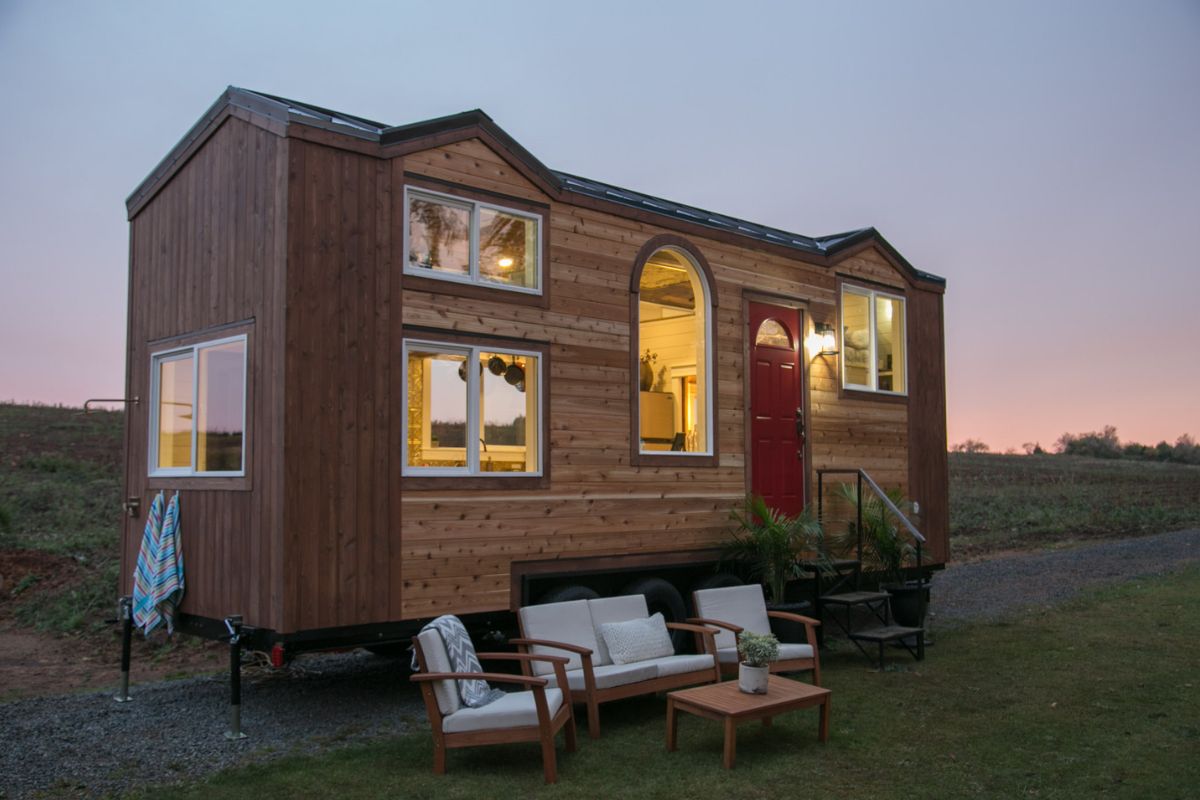
The moment you decide to move into a tiny house, every object around you takes on new meaning. That stack of books, the extra cookware, even the boxes in your garage, each one suddenly asks the same question, Do I belong in your future home? Downsizing is not just about space. It is about redefining what is worth carrying forward.
Families who take this step often discover more than a lighter moving load. They find a sense of clarity, fewer obligations, and the freedom to shape daily life around only what they truly need. Studies even show that tiny house living can reduce environmental impact by nearly half.
So before the moving truck arrives, the real work begins. Choosing which parts of your life are essential and which are ready to be released.
6 Ways to Downsize for a Tiny Home Move
1. Sort Items by Category, Not by Room
One of the most effective ways to start downsizing belongings is to group items by type rather than location. Gathering all your clothing, kitchenware, or books in one place reveals just how much you own and makes it easier to spot what is truly useful versus what is simply taking up space. Seeing the full picture of a category at once often makes decision-making more straightforward.
It helps to begin with categories that carry little emotional weight, such as spare linens or extra kitchen gadgets. These items are easier to part with and give you the confidence to continue the process. Once progress is made in these simpler areas, tackling sentimental items like family albums or gifts feels less overwhelming.
For anyone preparing to move into a tiny house, this approach creates a clear roadmap. Sorting by category highlights essentials, reduces clutter, and sets the stage for compact and organized living.
2. Donate What You Don’t Need
Downsizing often reveals items that are still valuable but simply do not fit the life you are creating in a tiny home. A couch that takes up too much room, cookware that never leaves the cabinet, or clothing long forgotten in the closet can all serve someone else far better than they serve you.
One way to speed up downsizing is through hassle-free donations, which allow people to remove excess items quickly without the extra step of trying to sell or store them. Heavy furniture and overflowing boxes are quickly moved out and placed where they can be useful again, clearing space for the items that truly belong in your new home.
When donations are handled this way, the process feels less like giving things up and more like setting them back into motion. Downsizing then becomes not only practical but purposeful.
3. Prioritize Essentials for Tiny Living
In a tiny home, the difference between comfort and clutter often comes down to the items you allow inside. Essentials are not just the basics. They are the pieces that make daily routines simpler without stealing precious space. A well-chosen skillet that handles multiple cooking tasks or a compact appliance that tucks neatly into a cabinet can replace half a kitchen full of gadgets.
Wardrobes benefit from the same approach. A few interchangeable outfits that work across seasons offer more flexibility than drawers stuffed with one-off pieces. The same applies to furniture. A bench with hidden storage or a fold-down desk creates functionality while keeping floor space open.
When items are chosen for both function and flexibility, even the smallest spaces feel organized and inviting, creating a home that works with you rather than against you.
.jpg)
4. Sell Valuables to Fund the Move
Moving into a tiny house usually comes with costs, from transporting your belongings to setting up new storage solutions. One way to ease that burden is to sell items that carry value but no longer fit your lifestyle. Jewelry tucked away in drawers, high-end décor, or unused exercise equipment are just a few examples of belongings that can generate extra income.
Some people find success listing online, while others prefer the speed of a local moving sale or consignment shop. Both options turn bulky, hard-to-move pieces into something useful again. The cash earned might cover a portion of your moving expenses or help you buy multi-purpose furniture designed for smaller living.
Selling valuables can do more than cover costs. It clears away the excess, funds the next stage of your move, and ensures your belongings continue to hold purpose in someone else’s home.
5. Digitize Paperwork and Media
Stacks of files, albums, and discs may not seem like much until they are boxed up for a move. Suddenly, paper and media collections take up more room than expected, crowding out essentials you actually need in a tiny home. A smarter approach is to turn those piles into digital files that live securely on your computer or in the cloud.
Tax returns, receipts, and insurance records can be scanned and organized into labeled folders, giving you quick access without overflowing cabinets. Old photo albums, DVDs, or music collections can be uploaded as well, allowing you to enjoy them on any device while freeing valuable storage space.
Digitizing lets you keep what matters without dragging along the extra weight. The memories and records stay safe and accessible, while the heavy boxes are no longer part of your move.
6. Adopt a “One In, One Out” Habit
The real test begins when daily life in a tiny home starts to settle in. New items will inevitably enter the space, and without a plan, clutter can return quickly. A simple way to stay ahead is to commit to the “one in, one out” habit.
Each time something new arrives, choose one item to release. Buying a new pair of shoes means passing along an older pair. Bringing in new cookware means letting go of the piece that rarely leaves the cupboard. This steady trade keeps possessions balanced while ensuring every addition has a reason to stay.
Over time, the habit does more than control clutter. It encourages careful buying choices and supports a long-term mindset of minimalism. The rule is simple, but it helps preserve the order and clarity you worked hard to create.
Conclusion
Downsizing for a tiny house is not simply about owning fewer things. It is about creating a life where every choice has intention. The items you keep, the ones you pass along, and the ones you repurpose all shape how your new space will feel. Donations allow belongings to begin a new story, selling helps fund your move, and digitizing protects memories without adding clutter.
When simple habits like “one in, one out” continue after the move, clutter no longer controls your home. What remains is a space built on clarity, purpose, and the freedom to truly enjoy living small.


.svg)
.png)
.jpg)