How to Keep Your HVAC Running and Avoid Costly Repairs

.jpg)
A reliable heating and cooling system is like a good friend. It’s there when you need it and doesn’t bring any hassle. But, just like friendships, it needs attention to keep things working well. If you ignore it, you could end up sweating in July or shivering in January. Plus, you’ll pay a lot to fix what could have been avoided.
Let’s break it down step-by-step so your system stays happy, efficient, and far from the expensive side of life.
Regular HVAC Maintenance for Longer System Life
Think of this as your system’s “annual physical.” The small stuff—tightening a loose bolt, checking refrigerant levels, lubricating moving parts—prevents big problems from sneaking up later.
A consistent maintenance routine helps prevent parts from wearing out too soon. It also helps your unit run at peak performance year after year. Neglect? That’s a fast track to a breakdown, and no one wants that bill.
Tip: Keep a seasonal reminder in your phone. It’s easier to remember a maintenance date than it is to remember where you put the thermostat manual.
Seasonal HVAC Care to Keep Energy Bills Low
Your system works harder in extreme weather. Seasonal checkups help avoid strain and keep your utility bills from soaring, much like a cat startled by a cucumber.
During the colder months, clear away any snow or ice that could block your unit. In summer, trim back plants so air can flow freely. Test your thermostat before the hot or cold season hits. The last thing you want is to discover that it's acting up on the first scorcher of July.
Little seasonal tweaks keep you from overpaying for energy. They also give your system breathing room, literally.
Changing Air Filters to Boost HVAC Efficiency
Your air filter is the unsung hero of your home’s comfort. It traps dust, pollen, pet hair, and whatever else is floating through the air. But a clogged filter makes your system work like it’s running a marathon with a paper bag over its head.
Swap out filters regularly to keep airflow strong and indoor air fresh. How often? It varies based on your home’s setup, whether you have pets, and the air quality in your area.
If you’re in Thornton or near the area and notice your filters are getting dirty faster than usual, it might be time to call in the pros. HVAC Services in Thornton can inspect your system to see if there’s a bigger issue affecting your airflow and efficiency.
Cleaning Vents and Ducts for Better Airflow
If you’ve never peeked inside your vents, brace yourself. It can look like the set of a dust bunny horror movie. That buildup looks bad and also slows airflow, forcing your system to work harder than necessary.
Here’s how to give your vents a fresh start:
- Take off the vent covers and give them a wash in warm, soapy water.
- Vacuum inside the ducts as far as your hose can reach.
- Wipe down the surrounding walls to catch stray dust.
- Call a pro if there’s a stubborn buildup you can’t reach.
Not only does this improve airflow, but it also helps your home smell fresher. After all, nothing makes a home feel inviting quite like fresh air without that lingering dust smell.
Scheduling Professional HVAC Tune-Ups Annually
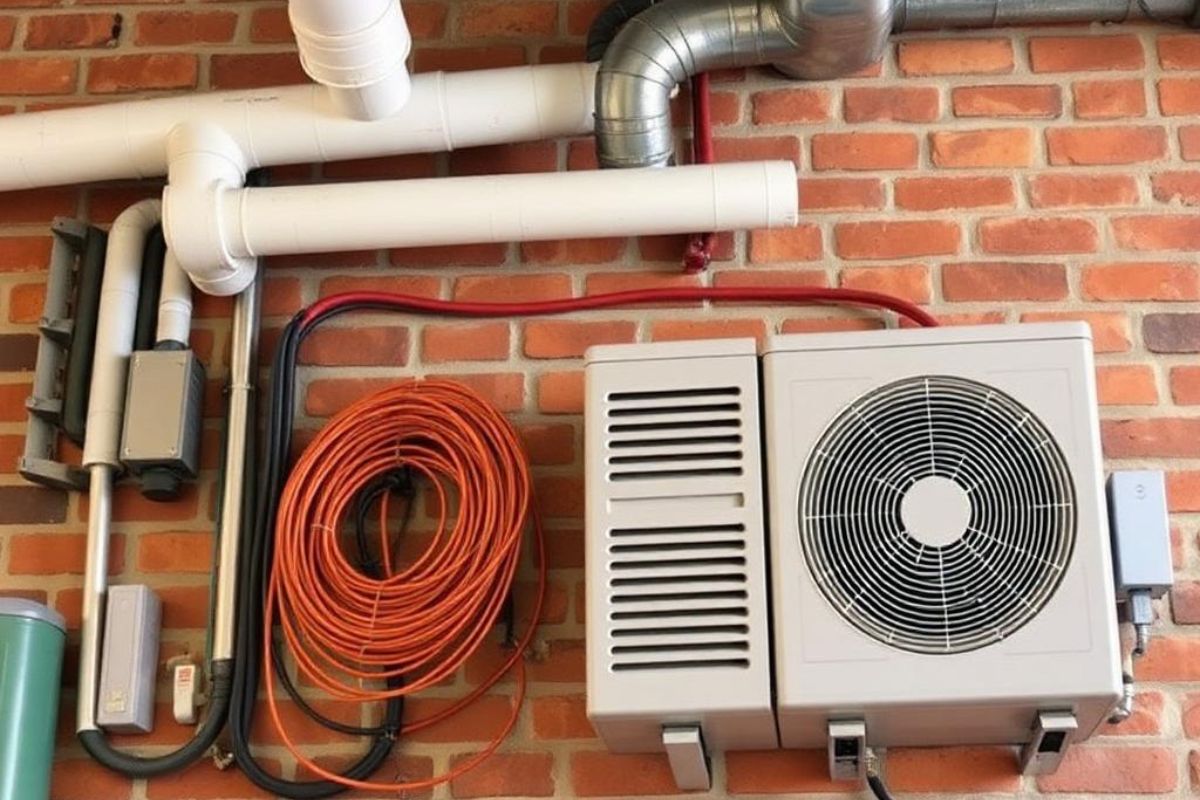
Yes, you can handle the basics. But a pro sees things you can’t—like tiny leaks, worn belts, or electrical connections that are ready to give out.
An annual tune-up keeps those sneaky problems from turning into major breakdowns. It’s like catching a tiny leak before it becomes a waterfall in your living room.
Schedule your checkup at the same time each year (spring or fall is best) so your system is ready before peak season hits.
Early Signs That Your HVAC Needs Help
Sometimes your system whispers before it screams. Catching these signals early can save you from an inconvenient and expensive crisis.
Look out for:
- Unusual noises—clanks, bangs, or high-pitched whines.
- Uneven heating or cooling across rooms.
- Rising energy bills without extra usage.
- Strange smells like burning or mildew.
- Short cycling (turning on and off too quickly).
These are your system’s ways of waving a little white flag. Respond quickly, and you might just avoid a middle-of-the-night “no heat” emergency call.
Conclusion: Take Care of Your HVAC System Every Season
Your heating and cooling system only asks for a little attention. Give it regular care, some seasonal attention, and a professional checkup now and then. Treat it right, and it will return the favor with consistent comfort and lower costs.
A well-kept system leads to fewer surprises. You’ll get fewer “help, it’s freezing” texts. Most importantly, your home will feel just right more often. Take care of it now, and you’ll thank yourself later… probably when the next heat wave rolls in.
FAQs
How often should I schedule professional maintenance?
Once a year is ideal. Spring or fall works best, so your system is prepared for extreme weather.
How often should I replace my air filters?
Change them every one to three months, depending on whether you have pets, allergy concerns, or poor air quality in your region. If you’re in Thornton or nearby and notice your filters getting dirty much faster, HVAC Services in Thornton can check if there’s a bigger problem affecting your airflow and efficiency.
Do dirty vents affect efficiency?
Yes. When airflow is blocked by dust, pet hair, or other debris, your HVAC system has to work much harder to push air through. This extra strain not only drives up your energy costs but can also shorten the lifespan of your equipment. In some cases, it can lead to uneven heating or cooling in different rooms, making your home less comfortable overall.
What’s the quickest way to spot a problem early?
Watch for strange noises, unusual odors, or sudden changes in your energy usage.
Is professional duct cleaning worth it?
Yes—especially if you notice thick dust buildup, reduced airflow, or worsening allergy symptoms.


.svg)


.jpg)