
How to Maximize Space With a Loft-Friendly Roof Design: What Every Homeowner Should Know

.jpg)
Thinking about turning your attic into a cozy bedroom or home office? Smart move. Loft conversions are a great way to gain extra space without building out. But the success of your project starts at the top: the roof.
Careful roof design, whether on your own or with help from a reliable roofing company, ensures the space feels open and functional. In this guide, we explain how to maximize space with a loft-friendly roof design so you can make every inch count. Designing a loft that feels open, functional, and full of light starts with choosing the right roof style. A loft-friendly roof design can transform cramped upper floors into beautiful, practical living areas — whether it’s a cozy bedroom, creative studio, or modern home office.
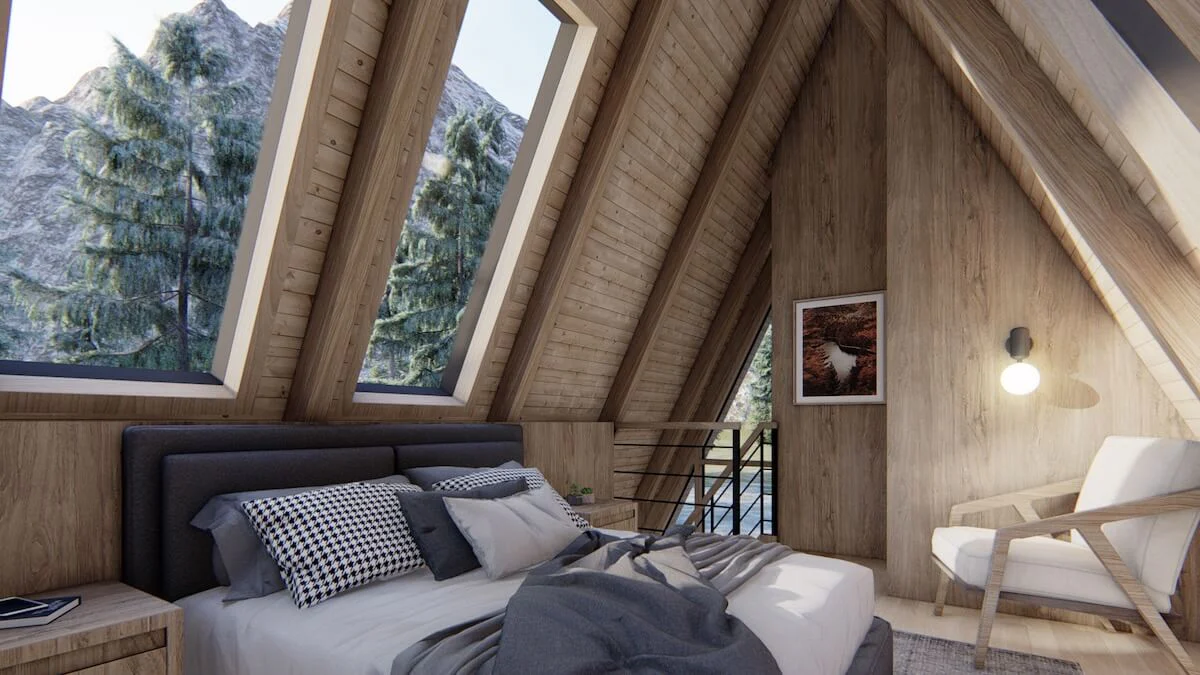
The key lies in understanding how roof shape, pitch, and structure affect usable space. Steeper roof pitches, for example, create higher ceilings and allow for full-height rooms, while dormers or skylights can bring in natural light and improve ventilation. On the other hand, a poorly planned roof can limit headroom, storage, and overall comfort.
When planning a loft conversion or new build, think strategically about your roof design from the start. Choose materials and layouts that balance aesthetics with functionality, and consider future flexibility for insulation, wiring, or expansion.
A smart, loft-optimized roof doesn’t just add space — it adds value, energy efficiency, and architectural character to your home.
How to Maximize Space With a Loft-Friendly Roof Design: 5 Key Factors to Keep in Mind
Your roof’s design ultimately determines how spacious and comfortable your loft will be. Here are five important things to consider when planning a roof that improves your space utilization and comfort.
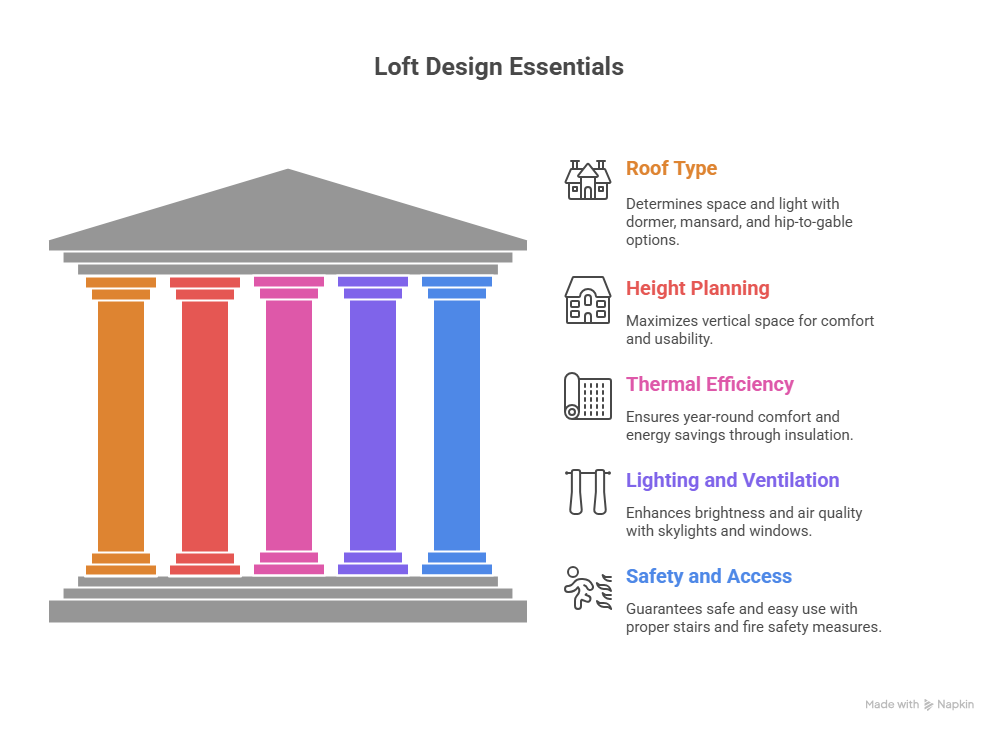
1. Roof Type
The type of roof you have sets how much space you have. Dormer and mansard roofs are among the most loft-friendly roof types because they extend upward and outward, adding valuable headroom and natural light. A hip-to-gable roof is also a top choice because it creates extra side space for furniture or storage.
Before you start building, take time to evaluate your roof’s structure to see what changes are safe to make. If you’re not sure, you can speak to a roofing expert who can guide you and help you plan your project with confidence.
2. Height Planning
If you’ve ever stepped into a loft with low ceilings, you know how cramped it can feel. The height of your loft is what transforms an attic from simple storage into a comfortable, usable living space.
As you design your loft, think about ways to add height while keeping the roof strong. You might need to change the roof’s angle, reinforce beams, or update old supports to handle more weight. Planning for height helps your loft feel open and comfortable, and makes it fit in with the rest of your home.
3. Thermal Efficiency
It’s easy to think of space as just square footage, but it’s also about how comfortable the room feels. Proper insulation makes a loft pleasant to use all year-round, keeping it cool in summer and warm in winter. Thus, you can stay comfortable and also reduce your energy usage.
Roof insulation often comes as spray foam or rigid boards, depending on your roof design and local climate. It’s also important to get the right fit, as poor installation can lead to trapped moisture or wasted energy. When installed properly, your loft becomes a space that feels just right, no matter the season.
4. Lighting and Ventilation
Good lighting and airflow can make a small loft feel twice as big. Consider adding skylights or dormer windows to your roof to bring in sunlight and fresh air, lower your lighting costs, and keep the room feeling bright and open.
How you install these windows is just as important as having them. They should be placed to let in light without causing glare or hot spots. They also need to be well-insulated to stop leaks and save energy. With careful planning and design, your loft will feel bright and comfortable all day.
5. Safety and Access
A loft isn’t enjoyable if it’s hard or unsafe to use. While designing your space, check whether your stairs take up too much space, whether the room is well-ventilated to prevent damp and mold, and whether you’ve planned for fire safety with window placement, materials, and escape routes.
Ensure every design choice complies with local building codes to keep your loft safe and legal. Taking care of these details early helps you avoid expensive changes later and keeps your loft open, useful, and stress-free.
Final Thoughts: Maximizing Your Loft Space Starts With Smart Roof Design
A stylish space won’t mean much if it isn’t structurally sound. That’s why you should start your loft conversion by planning the roof, not just the décor. If you plan your roof type, height, insulation, lighting, ventilation, and safety with care, your loft will be both attractive and long-lasting while making the most of every inch of space.
Unsure where to start? Talk to a roofing expert today to fine-tune the details and design a roof that truly fits your home. Creating a functional and inviting loft begins long before the furniture and finishes—it starts with the roof design itself. The shape, pitch, and structure of your roof determine how much usable space you’ll have and how comfortable it will feel. A well-planned roof not only enhances natural light and ventilation but also adds long-term value to your property.
Whether you’re converting an existing loft or planning a new build, working with experienced designers and architects ensures you get the most from every inch of space. Remember, a smart roof design isn’t just about aesthetics—it’s about making your home more livable, efficient, and inspiring from the top down.


.svg)
.jpg)
.jpg)
.jpg)