
How to Refresh Your Home Style Without a Full Renovation


You don’t always need a total overhaul to make your home feel new again. A few intentional updates can transform your space — bringing in light, comfort, and personality without the cost or chaos of renovation. The key is to work with what you have, refine what’s dated, and add details that breathe life into your surroundings.
Refreshing your home style isn’t about chasing trends — it’s about creating harmony between your lifestyle and environment. Here’s how to achieve that, one thoughtful step at a time.
1. Begin with a Clear Vision
Before you move a single piece of furniture, take time to define what kind of energy you want your home to convey. Do you want a calmer, more minimalist environment? A cozier, layered one? Or something bold and expressive?
Creating a mood board can help visualize your desired look. Gather textures, colors, and references that feel cohesive. For example, decoratoradvice.com home trend articles are especially useful for understanding how professional designers balance style and practicality. From color psychology to layout strategies, exploring curated expert advice can clarify your direction and keep your refresh focused.
When your vision is clear, every decision — no matter how small — becomes intentional.
2. Rethink Color and Light
Color is one of the most effective tools for transformation. You don’t even need to repaint; you can shift the tone of a room through textiles, artwork, and accessories.
If your home feels dull, try introducing soft neutrals layered with contrasting accents like navy, terracotta, or moss green. To add warmth, choose lighting that mimics natural daylight — diffused rather than harsh. Swap outdated fixtures for sculptural ones, and mix light sources: overhead, ambient, and task lighting.
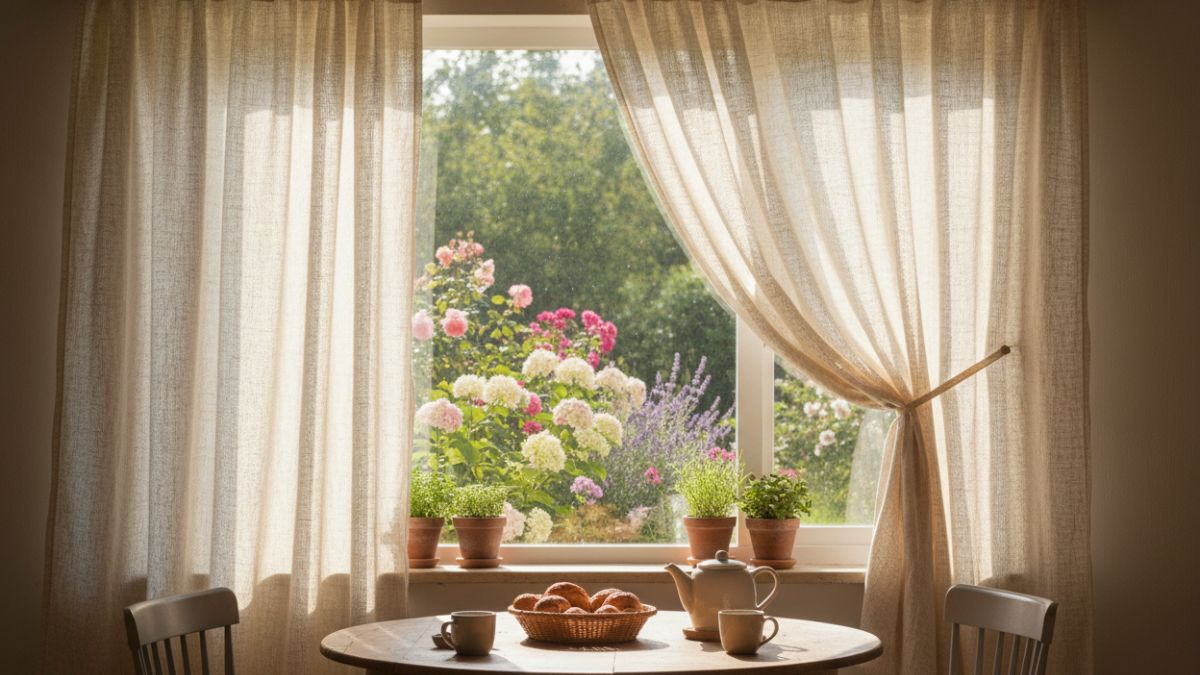
Maximize daylight too. Replace heavy curtains with sheer fabrics or install mirrors to bounce light across the room. Brighter spaces automatically feel larger, fresher, and more inviting.
3. Declutter and Reimagine Layouts
Sometimes the most powerful update involves removing, not adding. Decluttering helps you see your space with new eyes — allowing existing pieces to breathe and stand out.
Once you’ve cleared surfaces, experiment with layout. Move furniture away from walls to create conversation zones, or rotate the orientation of your bed or sofa to open up new flow. You’ll be surprised how different a room feels when you simply change its arrangement.
Don’t be afraid to let go of items that no longer serve your aesthetic. The goal isn’t to have more — it’s to have what matters.
4. Introduce Layers of Texture
Texture adds richness and depth, making even simple rooms feel sophisticated. Combine materials that contrast yet complement: a linen sofa with a velvet cushion, a glass table on a wool rug, or wooden accents against metal finishes.
Swapping textiles seasonally can also refresh your mood — light, breathable fabrics in summer and heavier weaves in winter. Updating throws, pillows, and area rugs offers instant renewal with minimal effort.
Small tactile changes can make a big emotional difference, turning your home into a more sensory, comfortable environment.
5. Highlight a Focal Point
Every room benefits from a central element that draws attention. It could be a striking piece of art, a bold light fixture, or an elegant piece of furniture. A focal point gives structure to your design and makes the space feel intentional.
If you don’t have a natural centerpiece, create one. A large framed photograph, a sculptural plant, or a curated gallery wall can serve as the anchor of the room. The goal is to give the eye somewhere to rest — and something to remember.
6. Add Greenery for Energy and Balance
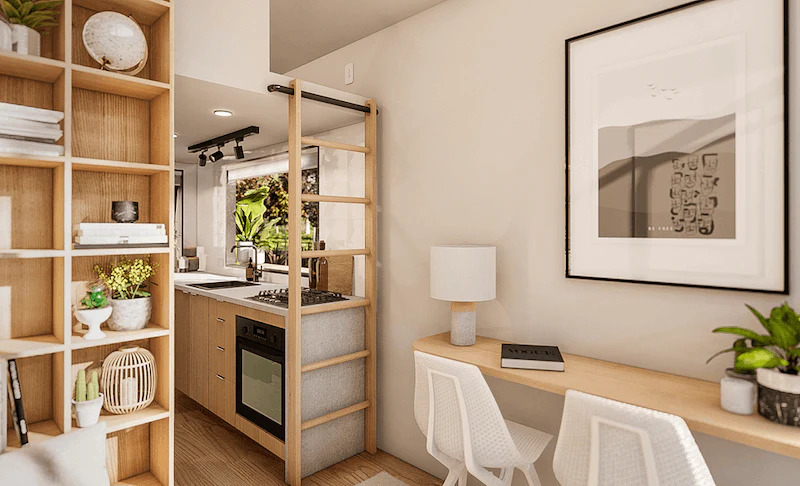
Plants have an almost magical ability to refresh interiors. They soften hard lines, bring vibrancy to muted color schemes, and connect your home to nature.
Choose species that suit your environment — low-light plants for shaded areas, or hardy succulents for sunny windows. Large statement plants like monstera or fiddle leaf figs add drama, while small potted greens bring freshness to desks and shelves.
Even if you’re not blessed with a green thumb, faux or preserved greenery can still add vitality without maintenance.
7. Swap the Details
Hardware, fabrics, and decorative accents are the unsung heroes of interior transformation. Changing cabinet handles, curtain rods, or light switch plates might seem minor, but these details collectively modernize your space.
Similarly, update soft furnishings like cushions or bedding in complementary colors. Add new artwork or even rotate pieces from other rooms for an instant refresh. Small shifts keep the environment feeling dynamic and personal.
8. Engage the Senses
Refreshing a home isn’t just about how it looks — it’s also about how it feels. Incorporate scents that elevate your mood: diffusers, candles, or fresh herbs in the kitchen. Subtle background music can also create ambiance, especially in open spaces.
The senses work together to form atmosphere, so design holistically. A space that smells good, sounds soothing, and feels comfortable leaves a lasting impression far beyond what’s visible.
.jpg)
9. Curate, Don’t Collect
Finally, think of your home as a gallery of your life — but one that should always feel balanced. Avoid filling every surface; instead, curate meaningful vignettes.
Display personal pieces that evoke memories, and mix them with art or decor that speaks to your current taste. This interplay between past and present creates authenticity, ensuring your home feels like you, not a catalog page.
Final Thoughts
Refreshing your home doesn’t require major renovations — just intention, creativity, and care. The goal isn’t to follow trends blindly but to interpret them thoughtfully, blending style with substance.
By reimagining what you already own, introducing fresh details, and taking cues from expert sources, you can design a space that feels renewed and deeply personal.
Because true transformation isn’t about starting over — it’s about seeing your home’s potential in a new light.


.svg)

.jpg)
.jpg)
.jpg)