Small-Space Homesteading: How to Grow and Preserve More in Less

.jpg)
The beauty of small-space homesteading lies in its efficiency; every square foot counts, and every harvest matters. When your garden produces more than you can eat fresh, pickling transforms that abundance into shelf-stable treasures that extend your growing season well into winter. These five small-batch recipes require no specialized canning equipment and can be made in any kitchen, making them perfect for urban homesteaders and apartment dwellers.
Scaling Up Your Garden Without the Waste
Small-scale pickling is the bridge between a modest garden and year-round homegrown eating. Instead of feeling pressured to eat everything you harvest within a week, you can pickle vegetables as they ripen: a few carrots here, a handful of green beans there. This approach means nothing goes to waste, and the small batches mean you won't spend hours canning at a time.
The refrigerator pickling method used in these recipes means you can preserve small amounts as they become available, building up a diverse pantry of pickled vegetables over time. A single productive plant can yield enough vegetables for multiple small batches throughout the growing season, effectively multiplying your harvest's value and extending its life.
1. Pickled Beets
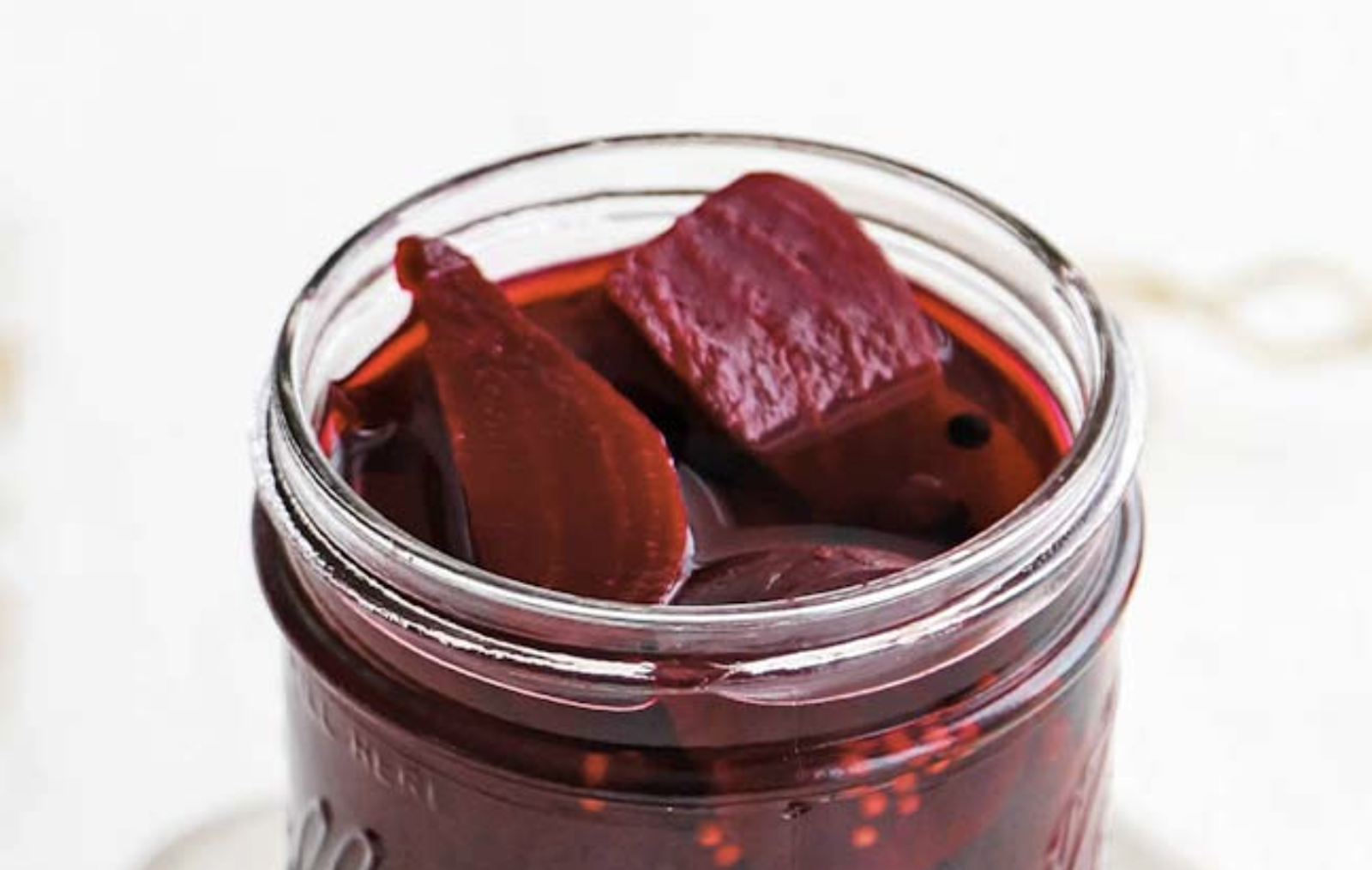
Source: Billy Parisi
Rich, earthy, and naturally sweet, pickled beets are a powerhouse addition to any small-space homesteader's pantry. This recipe for pickling beets from Billy Parisi transforms fresh garden beets into tangy, vibrant pickles that add color and nutrition to winter meals. The natural sugars in beets create a perfectly balanced brine that requires minimal added sweeteners.
The process begins by cooking fresh beets until tender, then peeling and slicing them while preparing a simple vinegar-based brine with spices. The warm brine is poured over the prepared beets in sterilized jars, creating pickles that develop their full flavor after just a few days in the refrigerator. This quick pickling method eliminates the need for water bath canning while still producing shelf-stable results that last for months when properly stored.
2. Pickled Asparagus
Asparagus spears packed with shallots, lemon, and fresh tarragon create an elegant pickle that captures the essence of spring in a jar. The sweet and sour brine seasoned with mustard seeds and peppercorns transforms tender asparagus into a gourmet treat that's perfect for small-batch preserving.
This recipe involves blanching the asparagus spears briefly to maintain their vibrant color and crisp texture, then packing them into jars with thinly sliced shallots, fresh tarragon, and aromatic spices. The balanced brine combines white vinegar with a touch of sugar and is heated just enough to dissolve the salt and sugar before being poured over the prepared asparagus. The pickles develop their sophisticated flavor profile within a few days and keep beautifully in the refrigerator for several weeks.
3. Quick Pickled Carrots
Fresh, flavorful, and incredibly easy to make, this 4-ingredient recipe adds a pop of tangy, crunchy flavor to everything from salads to sandwiches. The simplicity of this recipe makes it perfect for beginning picklers who want to start with something virtually foolproof.

The process couldn't be simpler: julienne or slice carrots into uniform pieces, then pack them into clean jars. A basic brine of vinegar, water, salt, and a touch of sweetener is heated just until the salt dissolves, then poured over the carrots. The pickles are ready to eat within hours, but reach their peak flavor after 24 hours of refrigeration. This no-fuss method produces consistently crunchy, tangy carrots that enhance countless dishes with their bright acidity and satisfying texture.
4. Pickled Okra
This quick and straightforward recipe is perfect for preserving just a pound or two of okra, with results that last weeks in the refrigerator. The recipe offers two flavor variations (sweet and tangy or hot and smoky), allowing you to customize the pickles to your taste preferences.
The method involves selecting small, tender okra pods and packing them into jars with garlic and your choice of spices. You can use either mild herbs for the sweet version or hot peppers and smoky spices for the spicy variation. A standard pickling brine is prepared by combining vinegar, water, and salt, then heating until the salt dissolves completely. The hot brine is poured over the okra, and the jars are allowed to cool before refrigerating. The okra develops its pickled flavor within a few days and maintains its characteristic texture beautifully.
Final Thoughts
Small-batch pickling transforms the challenge of small-space gardening into an opportunity for year-round homegrown eating. These recipes prove that you don't need acres of land or industrial-sized harvests to enjoy the satisfaction of preserving your own food.
With just a few jars, some basic ingredients, and the vegetables from your small garden, you can create a diverse pantry of pickled treasures that extend your growing season and eliminate waste.


.svg)
.png)
.jpg)