
How to Select the Right Refrigeration for Your Needs

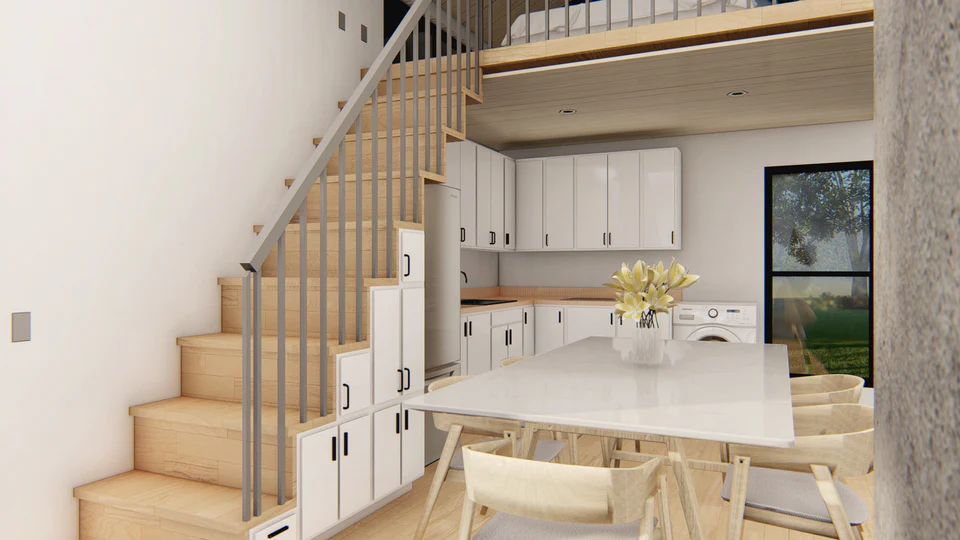
Tiny homes squeeze a full life into a small footprint. Every appliance competes for space, power, and budget. Refrigeration adds another layer, since food safety and daily comfort rely on stable cooling.
You can match a fridge to your layout, power profile, and cooking habits with a clear process. Early research helps, and vendor catalogs show a wide range of formats and capacities. Early in the process, review options from Ancaster Food Equipment to understand sizes, layouts, and maintenance needs that fit compact spaces.
Power Source And Energy Use
Start with energy. Off grid or grid tied setups call for different specifications. Check the rated daily kilowatt hours and how that aligns with your battery bank and solar array, if you use one.
Grid connected homes can use efficient AC models with inverter compressors. Off grid homes may pair better with smaller footprints or variable speed units set to eco modes. Look for adjustable thermostats and door alarms, which reduce waste from frequent opening.
Energy Star resources give clear guidance on sizing and annual consumption. Their tips help you cut standby losses and reduce door opening time. A good primer on refrigerator energy efficiency is available from US Department of Energy..
Space Planning And Capacity
Measure the alcove height, width, and depth. Confirm clearances for ventilation, hinge swing, and foot room. Leave space above and behind for airflow. Poor ventilation forces longer cycles and shortens compressor life.
Pick capacity based on household size and cooking routine. Small households that shop twice a week can live well with eight to ten cubic feet. Larger families or batch cooks may need twelve to fourteen cubic feet.
Door style also matters in a tiny home aisle. Single doors work within tight aisles, since they open less into the walkway. French doors reduce swing depth, which helps near a dinette or ladder. Draw out the path of the door on the floor with tape to confirm clearances.
.jpg)
A Quick Fit Check
- Tape the footprint to confirm door swing and traffic flow.
- Mock shelf heights with boxes, then test your tallest containers.
- Verify gap for ventilation, including the top edge and compressor rear.
Cooling Types And Food Safety
Coolers are not the same as refrigerators. Merchandiser coolers, floral coolers, and prep tables are tuned for different set points and humidity ranges. Read the spec sheet and confirm the temperature bands match household food storage.
Household refrigeration should maintain at or below 40°F, with the freezer at 0°F. Use an appliance thermometer on the center shelf to verify real temperatures. Shelves near the door run warmer, so place milk and eggs deeper inside.
Defrost systems influence upkeep. Auto defrost keeps coils clear with minimal effort, which helps in humid climates. Manual defrost units save energy but need periodic ice removal. Build a quick calendar reminder to keep frost under one quarter inch. For reference on safe temperatures and storage practices, the U.S. Department of Agriculture outlines home refrigeration guidelines that help prevent foodborne illness.
Off Grid And Seasonal Factors
Tiny homes often see temperature swings on site. High summer heat adds load and lengthens compressor cycles. Cold garages or porches can cause thermostats to misread, which may warm the freezer section. Place units within the manufacturer’s ambient range to avoid nuisance issues.
Consider insulation beyond the factory cabinet. A narrow cabinet surround with an open upper grille can soften radiant heat from a nearby range. If you cook daily, protect the side panel with a heat shield and keep two inches of space to the oven wall.
Winter brings other chores. Frost intrusion, high humidity, and power dips can compound minor problems. Regular gasket cleaning and a simple drip tray check will prevent odours and puddles.
Budget, Lifespan, And Refurbished Options
A small budget does not mean weak performance. Refurbished commercial coolers from established brands can deliver reliable cooling with upgraded parts and fresh gaskets. Many products ship with warranty coverage and tested compressors. Ask for a written checklist showing leak tests, controller calibration, and coil inspection.
Commercial style glass door units offer quick visual checks and help reduce door opening time. They can, however, be louder than residential units and may need more airflow. Place felt pads under feet to reduce vibration, and use a soft close latch where possible.
Plan for maintenance costs in year two and three. A spare door gasket, a coil cleaning brush, and a plug in power meter cover most needs. Track monthly energy use to catch drift. Higher consumption often signals dust build up or a failing fan, which are easy to address early.
Format And Features That Fit Daily Life
Shelving and door bins shape daily habits. Adjustable shelves help with tall jars and meal prep containers. Split shelves give flexibility for pitchers and stock pots. If you batch cook, check that pans fit between supports without tilting.
Noise matters in one room layouts. Ask for the decibel rating at standard distance, then compare it to your HVAC fan. A quiet compressor cycle makes night time more comfortable. Test the door close sound in store, since a sharp snap can echo in small spaces.
Lighting and controls should be simple and visible. LED strips along the side walls light every shelf. Digital readouts placed at eye level turn quick checks into a glance. Alarms for high temperature and doors left open help guard against waste during busy mornings.
Matching Use Cases To Formats
Different households benefit from different formats. A couple with frequent market trips can use a counter depth, ten cubic foot top freezer unit. It keeps produce at eye level and fits most galley kitchens.
Families who cook weekly batches may like a bottom freezer for easy access to frozen meals. If you entertain, consider a narrow glass door merchandiser as a secondary cooler for drinks. It cuts traffic through the main work triangle.
Prep tables with chilled rails suit avid cooks who value fast assembly. They need good ventilation and frequent gasket checks, yet they speed weeknight meals. If you run a pop up or cottage food side gig, a commercial rated unit may meet local rules more readily.
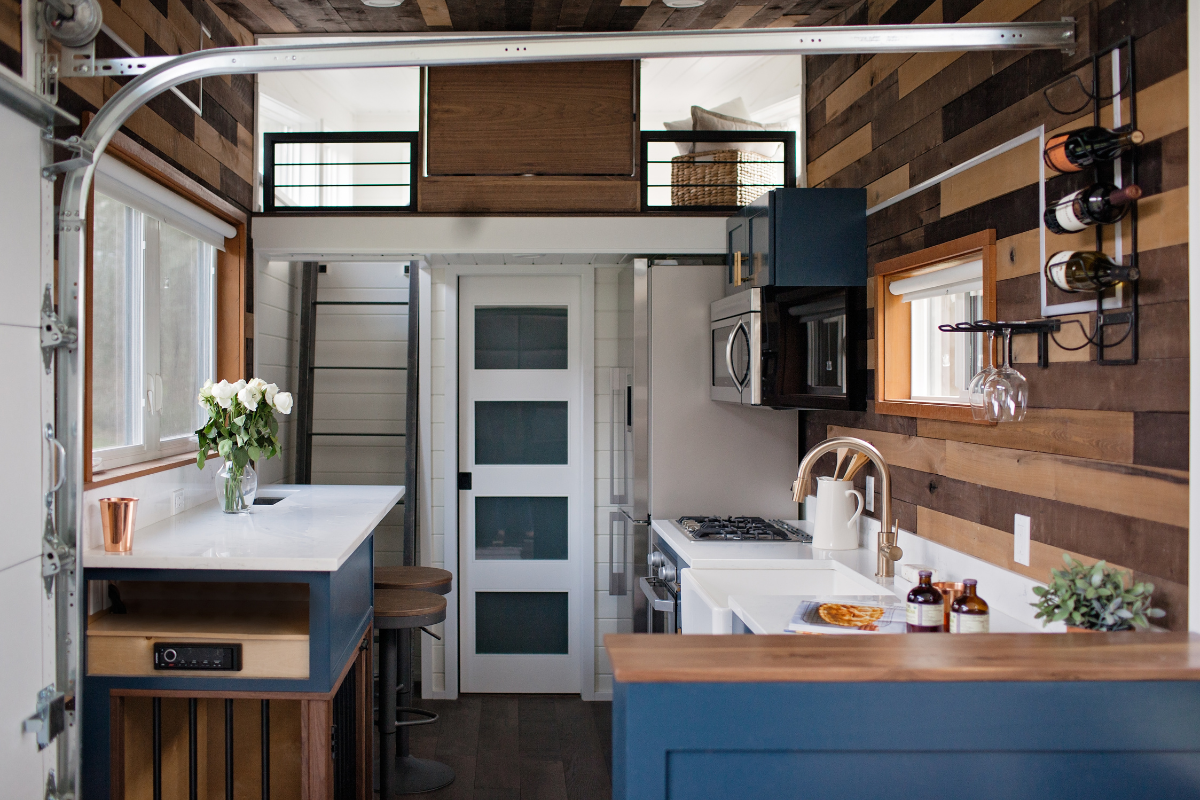
Installation And Maintenance Basics
Level the cabinet so doors seal evenly. Use shims under the front feet if the floor slopes. A mild tilt toward the rear helps doors close on their own, which prevents warm air ingress.
Vacuum condenser coils every three months. In dusty or pet heavy homes, shorten that to monthly. Clean gaskets with warm water and mild soap, then check for cracks with a paper strip test. If the strip slides out easily, the seal needs attention.
Keep a simple temperature log for one week after installation. Record morning and evening readings on the center shelf. Stable temperatures confirm good ventilation and correct thermostat settings. Save those numbers for later comparisons after cleaning or moves.
A Short Buyer’s Worksheet
Use this one page list before you order.
- Power profile, daily kWh target, and duty cycle expectations.
- Cutout size, swing clearance, and ventilation gaps marked in tape.
- Capacity target in cubic feet, based on shopping and batch cooking habits.
- Temperature bands that match household food safety needs.
- Noise rating and control placement that match open plan living.
Final Thoughts For A Confident Pick
Match energy profile, space limits, and food safety needs before you fall for features. Confirm ventilation and temperature bands, then choose the format that supports how you cook. With a short checklist and periodic maintenance, your tiny home can keep food safe and fresh without wasting space or power.


.svg)

.jpg)
.jpg)
.jpg)