How to Stay Code-Compliant When Building Small


You wish to construct a little house - terrific. Yet regulations cannot become small when your home becomes small. Fewer items, fewer charges, and the lack of the 30-year mortgage ball-and-chain. You are finally getting rid of the 2,000-square-foot guilt trap. However, one thing is clear. You can forgo the dishwasher, but you cannot do away with the permits. Tiny homes are small, but their legal liabilities are also full-sized. Zoning, building codes, and utility hookups. Even on your 280-square-foot seductive heaven. Before you recruit your minimalist cabin by throwing it onto a flatbed and calling it a day, we should explore a few of the legal, practical, and stress-free ways to get things done.
Know the Rules Before You Lift a Hammer: Planning is Key
Zoning, building permits, residential codes, yeah, that stuff is gonna make sleep, but not reading them? This is how your dream becomes an expensive teardown. A single missed ordinance is a ticket to tearing down your buildings, or perhaps uprooting your home altogether. This is where the kicker is. One county allows it, and the other state across the street does not. State laws often take a back seat to local regulations, and the term "tiny house friendly" is not a blanket term. Some jurisdictions treat tiny homes as RVs, and treat others as permanent residences. That difference counts--a great deal. Before designing the floor plan, always confirm compliance with local codes.
Electricity: Not a DIY Adventure
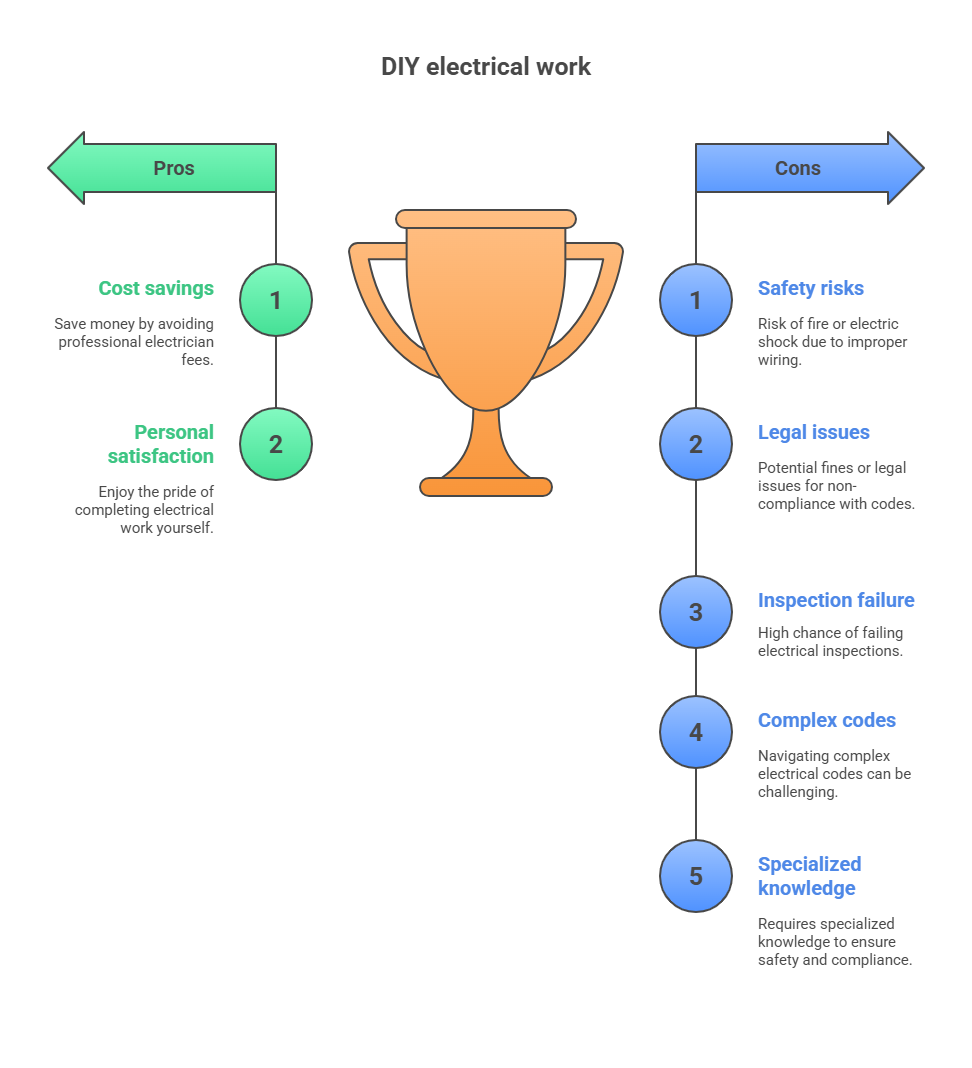
Here's the thing - don't expect to wing it with a screwdriver and a YouTube tutorial when it comes to wiring. Electrical work in a small house is no exception, as it adheres to the same stringent codes as any other house. Do it wrong, and you risk not only an unsuccessful inspection but also potential consequences. You are gambling on a conflagration.
You will have to consider:
- GFCI outlets in bathrooms and kitchens (non-negotiable).
- Panel sizing that matches your energy demand - small doesn’t mean no load.
- Outdoor-rated wiring if you’re off-grid or connecting solar.
- Permits that prove you didn’t just guess.
The laws do not shrink even when your space is 200 square feet. As an example, one of my friends is an Electricians in Parsons, KS. They usually end up doing wiring in small houses, but they adhere to the same rules and standards as they would in large houses. That is why licensed assistance is not a bonus, but an essential survival.
.jpg)
Plumbing, Ventilation, and the Not-Fun Stuff
Sure, pipes are shorter, but plumbing isn’t all about length. Easily forgotten in DIY tiny constructions, drain slope, venting, and graywater management are all code-regulated. Poor slope implies clogged sinks. An absent vent - sewer fumes and sputtering drains. Greywater (it means shower or sink water) must be legally managed - in many counties, you cannot just run it in the garden.
Important things to consider:
- Proper drain slope (typically ¼ inch per foot)
- Venting for every fixture to prevent suction and gas buildup
- Graywater systems that comply with local disposal rules
- Approved or alternative options for composting toilets
- Ventilation fans in bathrooms and kitchens (yes, even tiny ones)
- Required smoke detectors and carbon monoxide alarms
- A working egress window or door for emergency exits
Inspections: Not Just a Box to Check
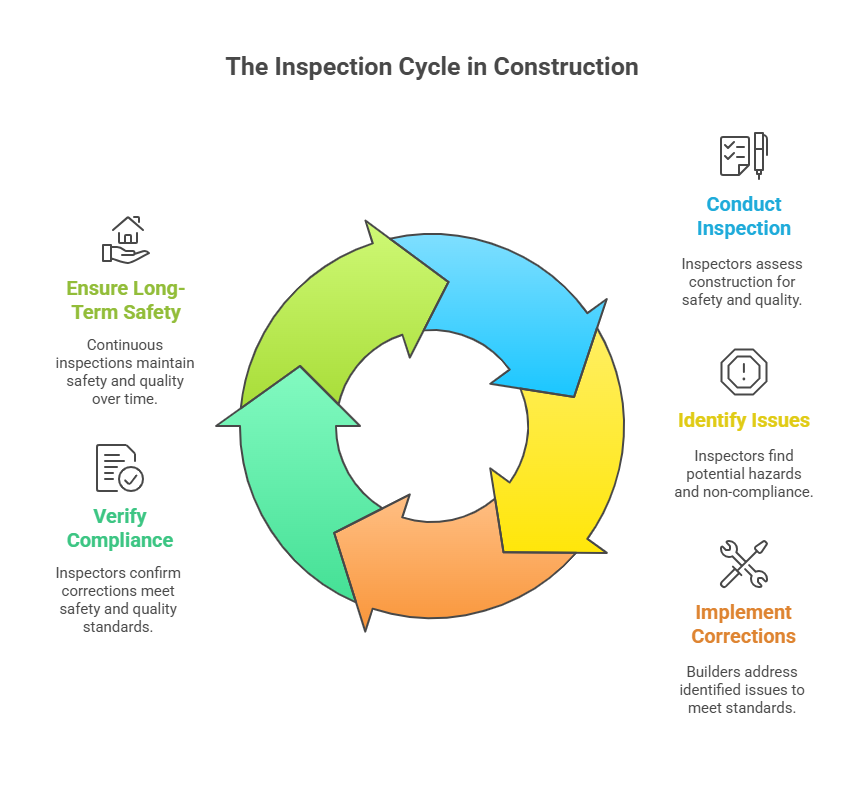
Some constructors even strive to evade inspections, believing that it saves time, reduces costs, and helps them avoid possible problems, but this is a misguided approach. Inspections are not red tape. Rather, they are necessary protections. Inspectors are not your enemy. They are highly qualified personnel who see the danger where you do not; loose conductors behind the walls, loose fasteners, blocked drains, or a lack of fire exits. They know how to determine that problems that are left unattended may cause an expensive repair system or pose a hazardous complication in the future.
E.g. foundations attachments. Thousands of home buyers believe they may be omitted; however, this is prohibited and unsafe in most states and provinces. Missing the anchoring process may mean that your entire construction is susceptible to movement, collapse, or even elevation during a severe windstorm. The so-called minor shortcut may be disastrous.
Inspections of every kind are not always fair to comply or red-taped. The successful outcome of an inspection means that a construction is safe and of quality. It is better than a certificate, it is a peace of mind. It shows that your house was not only built according to the code but it has been built to last. Long-term inspections save your investment, your life, and your legal position. The smarter course is always to construct it correctly and ensure it is right.
Build Small, Think Smart
Small homes are amazing, efficient, sustainable, and usually freeing when constructed properly. This is not some passing whim in the hobby or some cute backyard workshop. It is your main living area. This implies that it should receive equal treatment in matters of planning, craftsmanship, and legal considerations when compared to any full-size home. Cutting corners, avoiding checks, and making guesses about building regulations can cause severe trouble, including both the instability of the building as a whole and its noncompliance with the law, which can result in you having to demolish it all.
Failure to comply with zoning regulations is one of the most typical trappings. Not only do you have to ensure the property is zoned properly for a tiny house on wheels or a fixed foundation, but it also helps to do so before construction even starts. Regulations at the local level may vary significantly, and you cannot assume anything, so it's best to consult with licensed professionals who are familiar with the local codes and requirements for tiny houses.
An intelligent small house also conserves space. It has got intelligence and intelligent care written into it. The safety standards should be covered in the foundation, framing, plumbing, and electrical systems. The fact that the footprint is small does not imply that the responsibility is any less. Well-built construction maintains your safety and comfort as well as saving you investment in the long run.
The ability to live in a small space should be living free, not living dangerously. Be big on quality, be big on legality, and be big on planning, and the tiny home will be a matter of pride, not headaches.


.svg)
.png)
.jpg)