Minimalism in the Garden: Clean Lines and Symmetry in Modern Landscaping

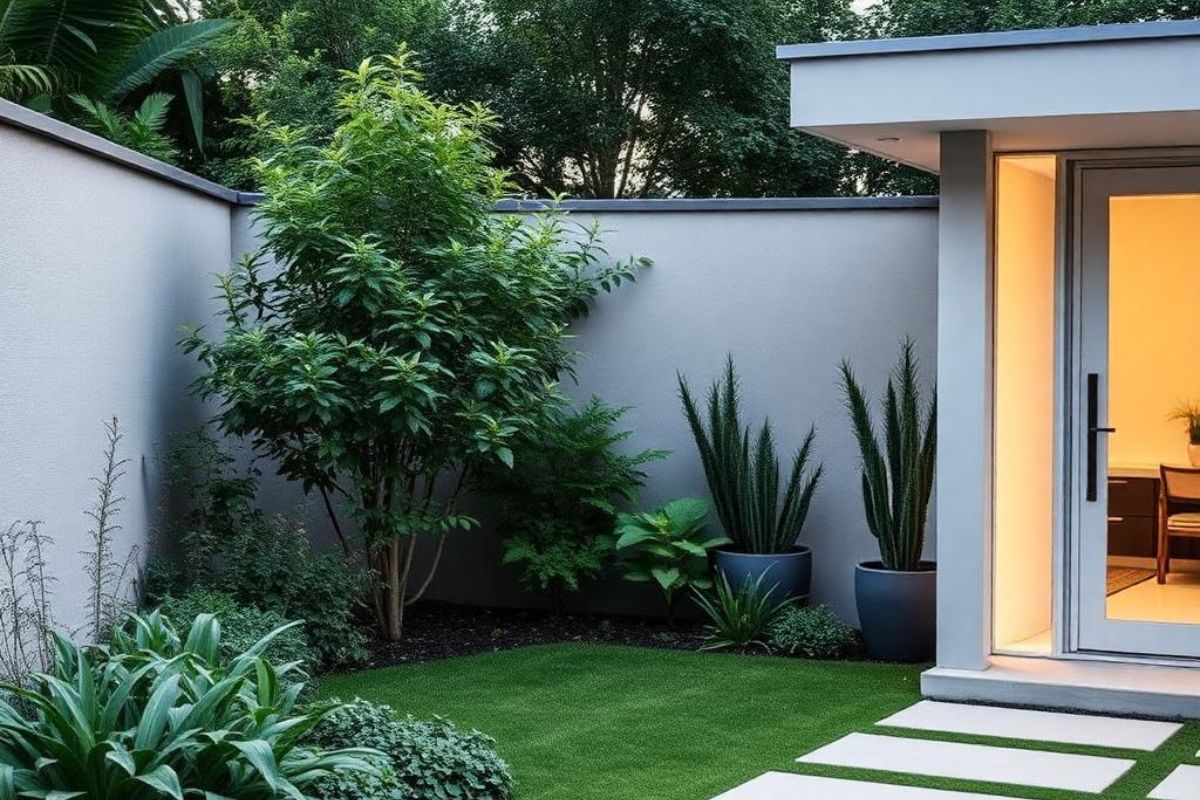
Minimalism has long been a cornerstone of modern interior design, but its influence is increasingly visible outdoors as well. Today’s gardens are moving away from overly ornate features and excessive plantings in favor of something far more restrained and elegant: clean lines, geometric shapes, and intentional simplicity. Minimalist landscaping is more than a style choice—it’s a philosophy that blends form, function, and serenity into a cohesive outdoor experience.
Let’s explore how minimalism in garden design uses symmetry, scale, and space to cultivate beauty, calm, and sophistication in the modern landscape.
The Principles of Minimalist Garden Design
Minimalist garden design focuses on stripping away the unnecessary so every element serves a clear purpose—whether functional, aesthetic, or atmospheric. Rather than clutter, simplicity and deliberate spacing create an orderly, calming space that feels thoughtfully curated.
Negative space is equally vital; empty areas provide visual breathing room, highlight focal points, and allow individual features—like a single planter on a bare patio—to stand out as sculptural elements.
Symmetry and structure bring balance and cohesion without requiring perfect mirroring. Matching elements, aligned pathways, and orderly planting create rhythm and calm, with architectural hardscaping reinforcing the garden’s minimalist harmony.
Materials and Color Palettes for Minimalist Gardens
When designing with minimalism in mind, material choice becomes especially important. Sleek, enduring surfaces like concrete, steel, stone, and untreated wood lend themselves beautifully to this aesthetic. These materials don’t distract—they ground the design in simplicity and longevity.
.png)
Smooth pavers, gravel beds, and linear timber screens provide structure while remaining visually quiet. Used thoughtfully, they become a canvas for plants and design elements to shine without overwhelming the senses.
Muted and Monochromatic Color Schemes
Color in minimalist gardens is best kept subdued and harmonious. Neutral tones—greys, taupes, soft greens, and whites—enhance the design’s architectural quality. These shades create a peaceful, modern backdrop and allow the form and texture of each plant or object to take center stage.
Rather than bursts of color from annual flowers, consider using repetition of a single plant in muted tones or introducing accent elements like a charcoal-colored planter to provide contrast in a grounded way.
.jpg)
Hardscaping for a Minimalist Aesthetic
Hardscape is where minimalism truly comes to life. Clean, uninterrupted lines—whether in the form of a sleek walkway, a wall, or a rectangular garden bed—impart a feeling of order. Stepping stones placed in precise intervals or decks that echo the architectural lines of the home extend the indoor minimalism outside.
Geometric layouts provide structure and allow space to flow with intention. By defining edges and creating directional movement, these hardscape features act as anchors within the open space.
Sleek Planters and Outdoor Furniture
Planters in minimalist gardens are not just containers for greenery—they’re integral to the design. A product like the Montroy Cube Planter exemplifies this. With its clean edges, bold shape, and durable construction, it offers a refined way to introduce greenery while maintaining visual order.
Likewise, furniture should complement the landscape rather than dominate it. Low-profile seating, modular arrangements, and neutral-toned pieces provide comfort and utility without breaking the minimalist flow.
Plant Selection in a Minimalist Garden
Minimalism encourages restraint in plant selection. Instead of layering a variety of colors and shapes, the emphasis is on unity and repetition. Repeating a single species in mass creates a sculptural, calming effect. Think of a border lined with Japanese forest grass or a stand of evenly spaced ornamental trees.
By limiting plant types, the garden reads as coherent and intentional. This also reduces maintenance, making it easier to preserve the design’s clean aesthetic over time.
Controlled Growth and Structure
Plants with a naturally tidy form—or those that can be pruned into shape—are ideal for minimalist spaces. Boxwoods, ornamental grasses, clipped topiaries, and slow-growing evergreens provide consistent structure.
Choosing plants that maintain their form throughout the seasons helps ensure the garden remains visually pleasing year-round, without requiring constant rearrangement.
.png)
Lighting and Water Features in Minimalist Design
Lighting in a minimalist garden is never overdone. Subtle uplights can accentuate architectural trees or walls, while low-glow bollards define pathways with elegance. Recessed LEDs installed into hardscape elements provide safety and ambiance without visible clutter.
The goal is to enhance the environment with light, not to dominate it. Like other minimalist features, the lighting should feel like an extension of the design, not a separate entity.
Modern Water Features
Minimalist water features focus on sound, reflection, and line. A narrow channel of water set into a concrete bench, a smooth stone basin with gentle overflow, or a sleek wall fountain can add a tranquil element to the garden without breaking the simplicity.
These features introduce movement and sound—important sensory dimensions—without deviating from the overall design’s focus on restraint and balance.
Conclusion
Minimalism in the garden isn’t about creating less—it’s about doing more with less. Clean lines, thoughtful symmetry, and restrained materials combine to form outdoor spaces that are both contemporary and timeless. These gardens are places of reflection, structure, and simplicity, where every detail is intentional and every void is meaningful.
Whether you're starting fresh or refining an existing space, embracing minimalist principles can bring clarity, beauty, and balance to your landscape. Even a single design element can redefine a space with purpose and precision. In a fast-paced world, these gardens offer a quiet, grounding alternative.


.svg)
.jpg)