New Housing Formats: Flexibility on the Rise

.jpg)
A home has always been more than just a roof over our heads. It is an expression of identity, a symbol of status, and, in many cases, a declaration of how we want to live. However, over the decades, what we call "home" has evolved from a fixed, unchanging space to a dynamic organism, constantly adapting to social, cultural, and technological changes. In recent years, perhaps driven by the transformations brought on by the pandemic and the digitalization of life, a new paradigm has been taking shape: flexibility as the essence of contemporary living.
The Start of a Quiet Disruption
According to Leonardo Kraychete, urban planner, housing dynamics scholar, CEO of a major real estate developer in Brazil, and a respected professional with years of experience in the field, "the idea of a home as a lifelong asset, passed down from generation to generation, began to fragment in the last decades of the 20th century, with the increasing urban mobility and the globalization of careers."
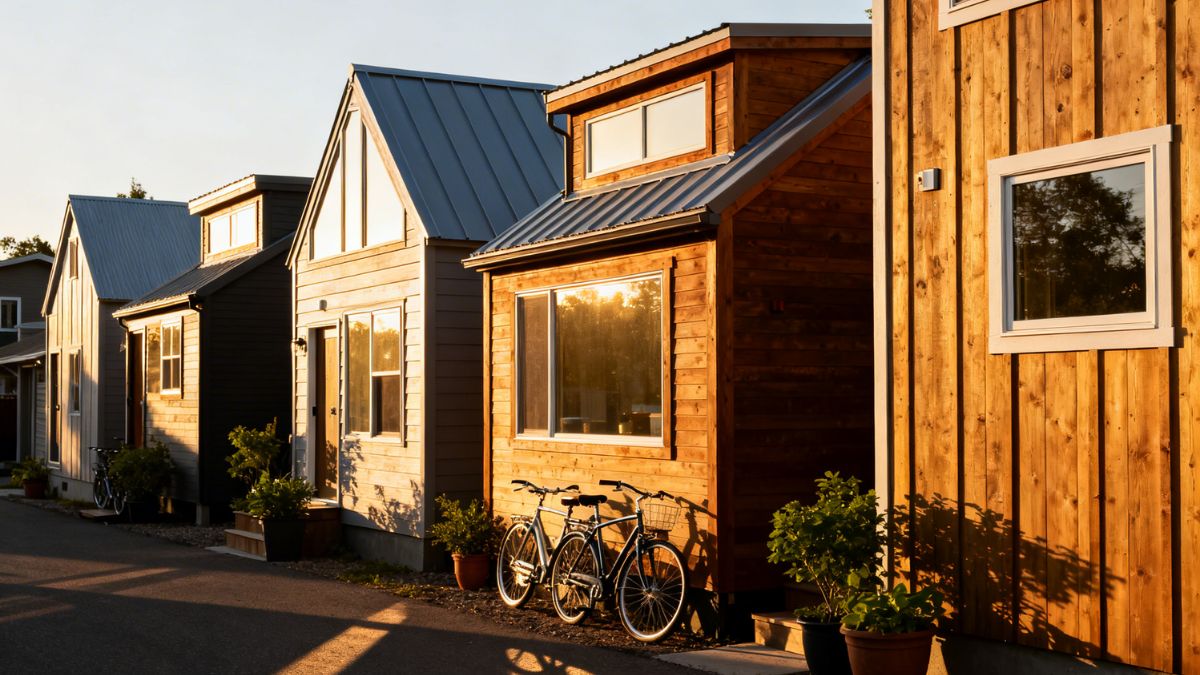
Where possession once represented security, the new century brought a focus on experiences. As a result, the home began to lose its static character. The rise of lofts in urban centers, the popularity of compact apartments, and, more recently, co-living models, reflect a shift in mentality: it's no longer about owning; it's about living functionally and in harmony with the world around us.
From the Traditional Home to the Modular Dwelling
The traditional concept of housing, with rigid divisions and clearly defined functions for each room, is giving way to multifunctional structures. Open kitchens flow into living areas; bedrooms transform into offices; balconies double as gyms.
Kraychete highlights: "With the rise of home offices, the home had to reinvent itself as a productive space, not just a place for rest. This duality pushed architecture and interior design to become more creative and versatile."
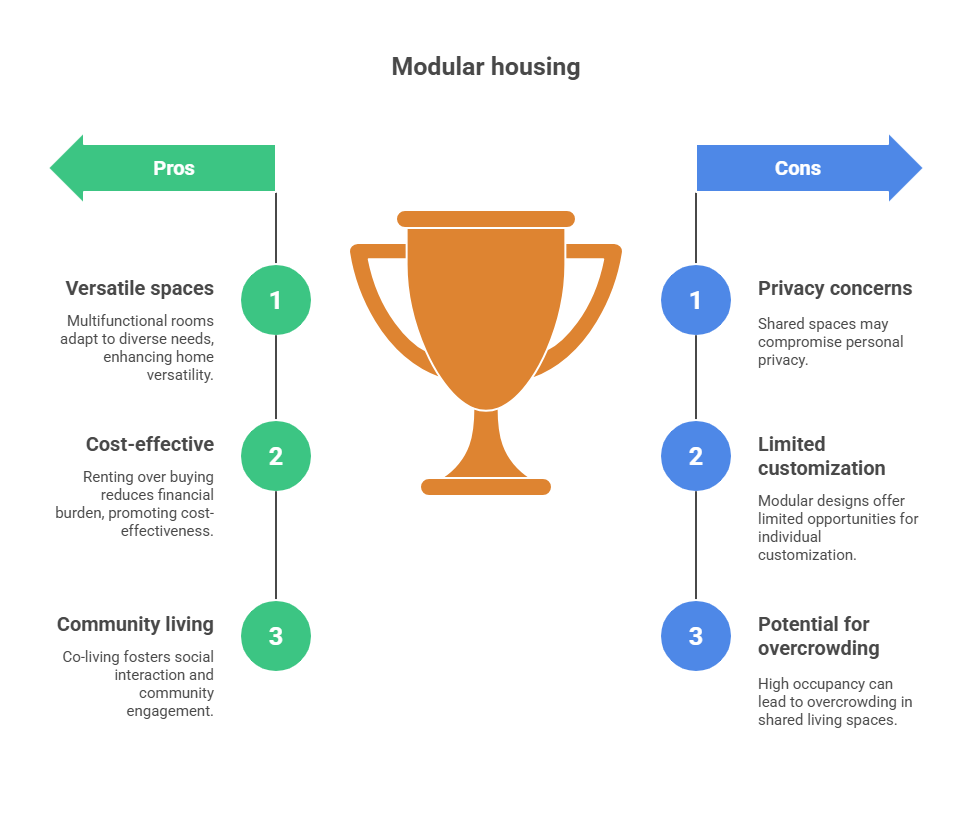
This reinvention is also linked to the behavior of newer generations. Millennials and Gen Z have a different relationship with housing: they prefer renting over buying, value mobility, and, above all, seek practicality. It is in this context that models like co-living—shared housing with common areas and integrated services—are gaining prominence.
Co-living, Subscription Rentals, and the Dematerialization of Home
Inspired by community, sustainability, and the sharing economy, co-living is a direct response to contemporary urban demands. It’s not just about sharing a roof, but about sharing experiences, resources, and routines. Common areas like kitchens, living rooms, and coworking spaces become extensions of private spaces.
At the same time, subscription rental models—where residents can easily move between properties within the same network—are transforming the concept of "settling down." Now, it's possible to live in São Paulo for a few months, then migrate to Rio de Janeiro or Florianópolis, while maintaining the same living standard and services.
"We are witnessing the dematerialization of the home as a symbol of permanence," analyzes Kraychete. "The home becomes a platform, adaptable to lifestyle, not the other way around."
.jpg)
A Journey That Dates Back
While we now speak of flexibility as a trend, it’s important to recognize that the quest for adaptation is not exactly new. In fact, it has deep roots.
"In the 1920s and 1930s, Bauhaus was already discussing modular housing and optimized spaces for urban living," recalls Kraychete. "The modernist movement was a pioneer in thinking about housing as something functional, rational, and aesthetically integrated into daily life."
Decades later, in the 1960s and 1970s, communal and collective housing experiments emerged, such as Israeli kibbutzim or alternative communes in California. The difference is that at that time, these models were seen as alternative or countercultural. Today, they are at the core of the real estate market.
Technology and Urbanism: An Inevitable Marriage
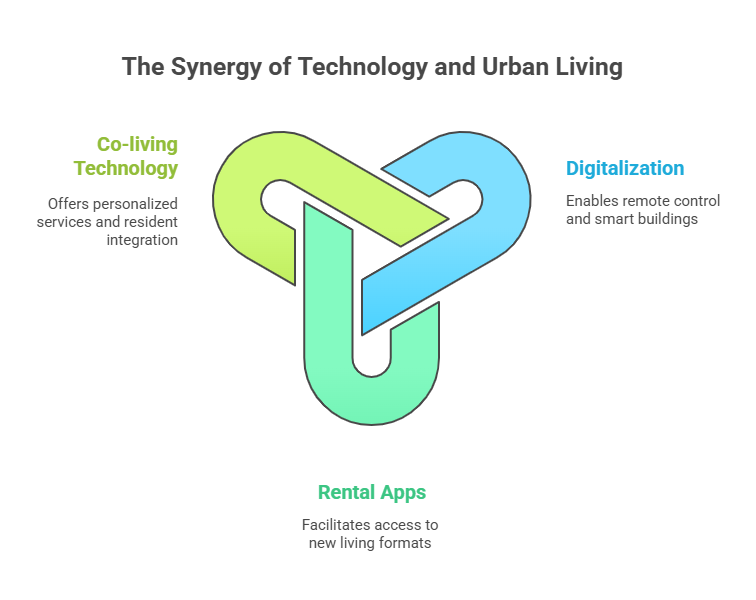
Another essential factor in the transformation of housing is technological advancement. Digitalization has enabled everything from remote control of appliances to the creation of smart buildings that can self-regulate energy and water consumption.
Furthermore, rental apps and subscription housing platforms have made access to these new living formats easier. Co-living itself benefits from technology to offer personalized services, manage collective needs, and integrate residents.
For Kraychete, "technology not only makes these new formats feasible but accelerates them. It creates the bridges between urban needs and practical solutions—whether in space management or resident experience."
A Flexible Present and a Mutating Future
Today, flexible housing is no longer a distant promise—it’s a tangible reality in metropolises like São Paulo, New York, Berlin, and Tokyo. Developments offering communal laundry, coworking spaces, social areas, and even shared gardens are becoming more common in major capitals.
But what’s next?
Kraychete envisions a future even more modular and responsive. "The next step will be real-time customization. Homes that automatically adapt to the resident’s profile, with changeable environments, smart furniture, and reconfigurable structures."
Ultimately, the journey of housing mirrors the human journey. From a fixed and territorial past to a fluid and connected present, we continue searching for homes that represent not just where we are, but who we are—and, most importantly, who we want to become.


.svg)
.png)
.jpg)