
Park Model Homes Vs Tiny Homes: What Is the Difference?

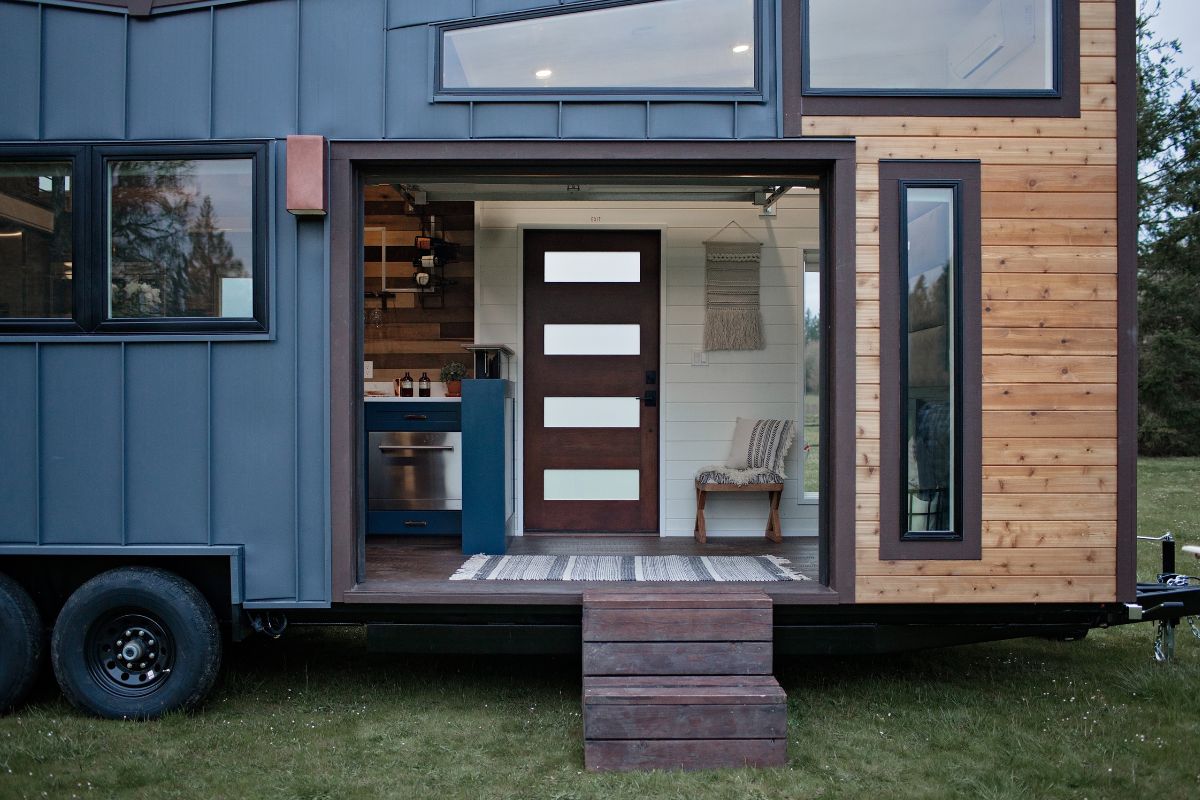
Park model homes are typically 400 to 500 square feet and designed for semi-permanent living, while tiny homes range from 100 to 400 square feet and focus on mobility. Park models are great for seasonal use, featuring kitchens and bathrooms built for comfort, whereas tiny homes emphasize efficient space utilization and often promote eco-friendly designs. Considering your lifestyle and needs can help you choose the right option, and there’s more to explore about both styles ahead.
- Park model homes are designed for semi-permanent living, while tiny homes prioritize mobility and can be relocated easily.
- Park models typically range from 400 to 500 square feet, whereas tiny homes are smaller, ranging from 100 to 400 square feet.
- Construction materials for park models include durable wood and steel, while tiny homes often use reclaimed or eco-friendly materials.
- Cost-wise, park models range from $30,000 to $80,000, whereas tiny homes start around $20,000 and can exceed $100,000.
- Park model homes are ideal for seasonal living, while tiny homes cater to those seeking efficient space utilization and mobility.
Definition of Park Model Homes
Park model homes are a unique blend of efficiency and comfort, designed primarily for temporary or seasonal living. Typically measuring between 400 and 500 square feet, these homes offer a compact yet functional space, making them ideal for vacation spots or campgrounds. You’ll find them equipped with essential amenities like kitchens, bathrooms, and living areas, ensuring you feel at home even in a smaller footprint.
Unlike traditional mobile homes, park models are built on a trailer chassis but aren’t meant for frequent relocation. They often feature higher ceilings and more appealing designs, enhancing your living experience. If you’re considering a cozy getaway or a seasonal residence, a park model home could be the perfect fit for your lifestyle.
Definition of Tiny Homes
Tiny homes are a popular solution for those seeking minimalism and sustainability in their living spaces. These compact dwellings typically range from 100 to 400 square feet and prioritize efficient use of space. You’ll often find smart design features like multi-functional furniture, lofted sleeping areas, and innovative storage solutions that maximize every inch.
Tiny homes can be built on trailers for mobility or placed on permanent foundations, allowing flexibility in living arrangements. They promote a simpler lifestyle, encouraging you to downsize belongings and reduce environmental impact. With a focus on energy efficiency and sustainable materials, tiny homes not only save money but also foster a deeper connection to your surroundings. Embracing tiny living can lead to greater financial freedom and a more intentional way of life.
.jpg)
Size and Dimensions
When comparing size and dimensions, you'll find that park model homes and tiny homes each have distinct characteristics. Park model homes typically measure between 400 and 500 square feet, designed for seasonal or recreational living. They’re often built on trailers, making them mobile but larger than many tiny homes.
On the other hand, tiny homes usually range from 100 to 400 square feet. They focus more on efficient use of space and can be built on foundations or trailers. This smaller size often promotes a minimalist lifestyle while providing all the essentials.
Ultimately, your choice between the two will depend on your space needs, lifestyle preferences, and whether you prefer a more permanent or mobile living arrangement.
Construction and Materials
While size plays a significant role in your decision, construction and materials also greatly influence your experience in either park model homes or tiny homes. Park model homes typically use durable materials like wood, steel, and high-quality insulation, making them suitable for long-term living. They often come with a trailer chassis, allowing for easy transport. On the other hand, tiny homes can be built from a variety of materials, including reclaimed wood and eco-friendly options. This flexibility lets you customize your home’s look and feel. Additionally, tiny homes usually prioritize energy efficiency, often incorporating solar panels and sustainable designs. Ultimately, your choice of construction and materials will impact not just aesthetics, but also comfort and longevity in your living space.
Mobility and Placement
Mobility and placement are essential factors to evaluate when choosing between park model homes and tiny homes. Park model homes are designed for semi-permanent placement, often found in RV parks or designated communities. While you can move them, doing so isn’t as straightforward as with tiny homes. Tiny homes, on the other hand, are generally built on trailers, allowing for greater mobility.
You can easily relocate them to different sites or even take them on road trips. However, consider your lifestyle: if you prefer a stable location with community amenities, a park model might suit you. If you're drawn to traveling and exploring, a tiny home could be the better fit for your adventurous spirit. Choose wisely!
Zoning and Legal Regulations
Understanding zoning and legal regulations is vital for anyone considering park model homes or tiny homes. Different areas have unique regulations that dictate where you can place your home, how big it can be, and whether you need a permit. Park model homes often fall under RV regulations, which may allow for easier placement in recreational parks. On the other hand, tiny homes might require residential zoning, depending on local laws.
It’s important to research your specific location's zoning laws and building codes before making any decisions. Failure to comply with these regulations can lead to fines or the necessity to relocate your home. Always consult local authorities to guarantee your living arrangement meets legal requirements.
Cost and Affordability
When it comes to cost and affordability, both park model homes and tiny homes offer appealing options for those looking to downsize. Park model homes typically range from $30,000 to $80,000, depending on size and amenities. They’re often seen as a more budget-friendly choice, especially for retirees or seasonal dwellers.
Tiny homes, on the other hand, can vary widely in price, starting around $20,000 and reaching up to $100,000 or more, depending on custom features. While both options are generally cheaper than traditional homes, it’s essential to evaluate additional costs like land, utilities, and maintenance. Ultimately, your choice will depend on your budget, lifestyle preferences, and long-term plans. Be sure to weigh these factors carefully.
Lifestyle and Community
.jpg)
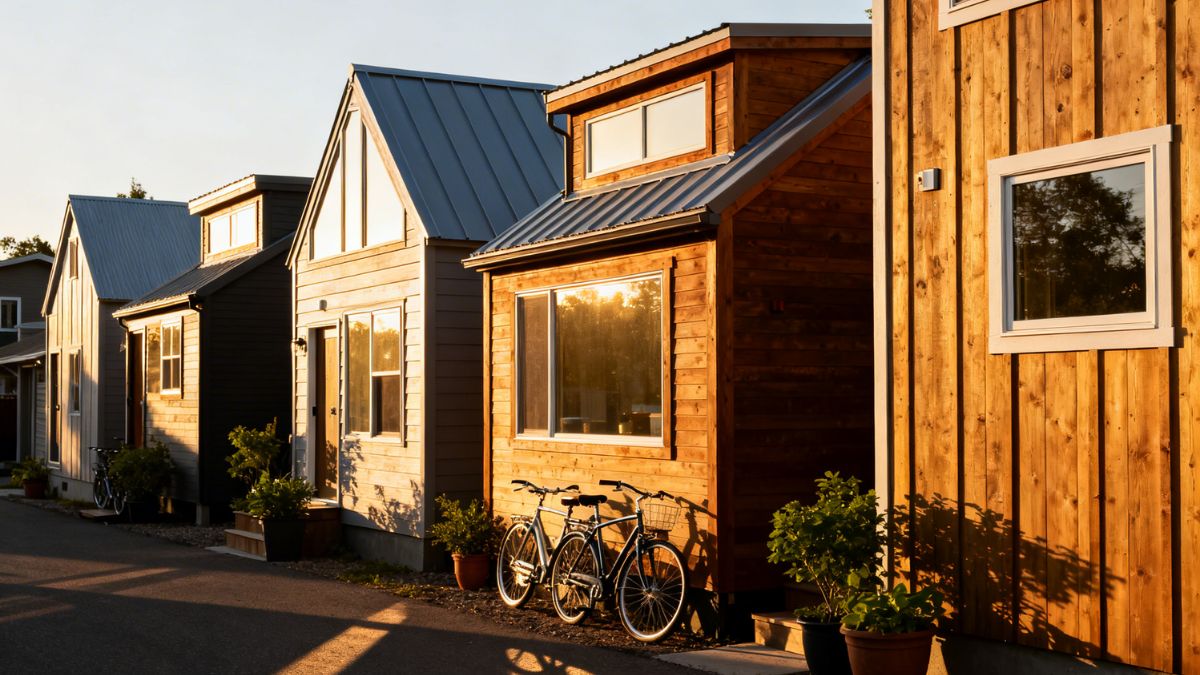
Choosing between park model homes and tiny homes also involves considering the lifestyle and community aspects. Park model homes often sit within established communities, providing a sense of belonging and shared amenities, like pools and recreational areas. This can be appealing if you enjoy social interactions and organized activities. On the other hand, tiny homes tend to promote a more independent lifestyle, often placed on private land or within smaller, dispersed communities. This can offer solitude and a connection to nature, perfect for those who value privacy.
Think about what resonates with you: a close-knit community or a more solitary, personalized living experience. Your choice will shape not just your home but also your daily life and interactions.
Environmental Impact
While both park model homes and tiny homes aim to minimize space and consumption, their environmental impacts can differ markedly. Park model homes often use more materials and larger appliances, which can lead to a bigger carbon footprint. They're typically designed for seasonal use, which means they might sit unused for large parts of the year.
On the other hand, tiny homes are built with sustainability in mind, often utilizing reclaimed materials and energy-efficient systems. Their smaller size generally requires fewer resources, making them an eco-friendlier option. By choosing a tiny home, you’re likely to reduce energy consumption and your overall environmental impact, ultimately supporting a more sustainable lifestyle.
Conclusion
To conclude, while park model homes and tiny homes both offer unique living solutions, they cater to different needs and lifestyles. Park model homes provide a more spacious, semi-permanent option ideal for vacationing, while tiny homes emphasize mobility and minimalist living. Your choice depends on your priorities—whether you value community and amenities or freedom and flexibility. Whichever route you take, both options promote sustainable living and a simpler way of life. Choose what fits you best!


.svg)
.jpg)
.jpg)
.jpg)