
Park Model vs. Mobile Homes: What’s the Difference?

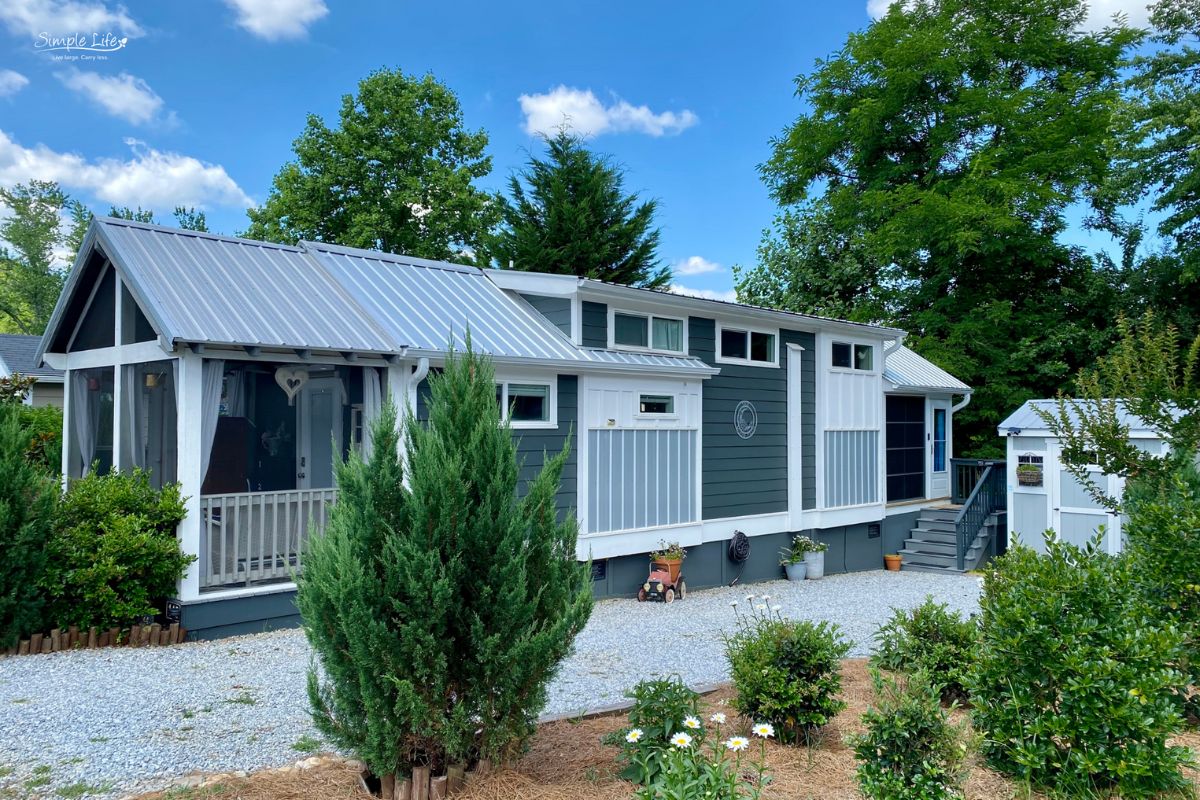
Park models are designed for temporary or seasonal living, typically around 400 square feet with high ceilings and full amenities. In contrast, mobile homes are built for permanent residences, offering larger layouts and customizable options. Park models are generally more affordable, costing between $30,000 and $70,000, while mobile homes range from $50,000 to over $100,000. Understanding these differences will help you decide which option fits your lifestyle and needs best, so let’s explore further.
- Park models are designed for temporary living, while mobile homes are suitable for permanent or semi-permanent residences.
- Park models typically range from 400 to 500 square feet, whereas mobile homes can exceed 70 feet in length.
- Mobile homes often feature multiple bedrooms and bathrooms, unlike park models which focus on compact living spaces.
- Financing options differ: park models may require personal loans, while mobile homes can qualify for conventional mortgages.
- Both types of homes have energy-efficient designs, but park models emphasize seasonal use in recreational areas.
Understanding Park Models
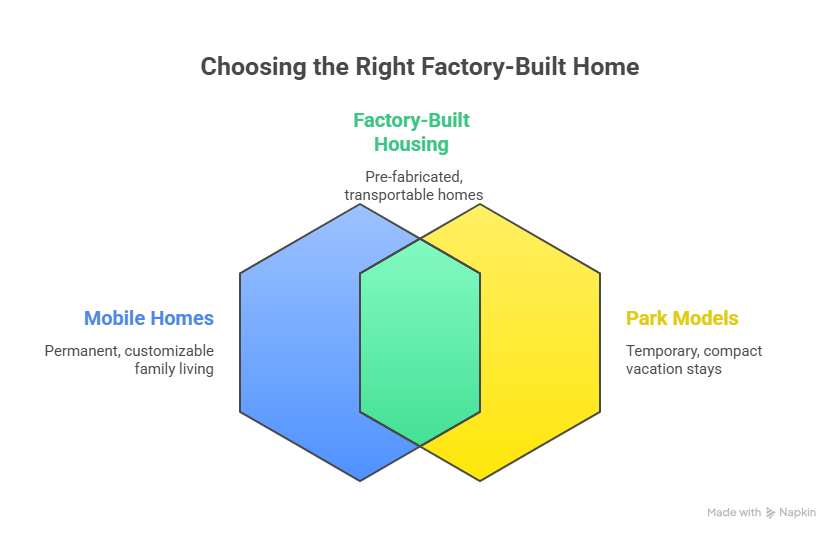
When you think about park models, it’s essential to understand their unique characteristics and intended use. Park models are specially designed for temporary or seasonal living, often found in recreational vehicle (RV) parks and campgrounds. Unlike traditional mobile homes, they're typically smaller, usually around 400 square feet, and emphasize efficient space usage.
Built on a trailer frame, park models aren’t meant for long-distance travel; instead, they’re designed to be stationed in one location. You’ll notice features like high ceilings and full kitchens, making them comfortable for short-term stays. Understanding these distinctions helps you appreciate park models as an appealing option for those seeking a compact, mobile lifestyle without the permanence of standard housing.
Understanding Mobile Homes
Park models and mobile homes serve different purposes, each catering to specific lifestyles. Mobile homes, also known as manufactured homes, are built in factories and transported to a site. They’re designed for permanent or semi-permanent living, often featuring multiple bedrooms and bathrooms. You can customize them to fit your preferences, making them a popular choice for families.
Unlike park models, which are generally smaller and meant for temporary stays, mobile homes offer more space and amenities, suitable for year-round occupancy. They’re often set up in communities with shared facilities, promoting a sense of community. Understanding the differences can help you choose the best option for your living situation and lifestyle needs.
Key Features of Park Models
While you may be drawn to the idea of a cozy getaway, park models offer unique features that set them apart from other types of housing. First, they typically range from 400 to 500 square feet, providing a compact yet functional living space.
Designed for seasonal use, they're often situated in parks, making them ideal for vacationers. You'll notice that park models feature higher ceilings and larger windows, enhancing the sense of space and natural light. Their construction prioritizes energy efficiency, with insulation that meets or exceeds standards.
Additionally, park models come with full amenities, including kitchens and bathrooms, allowing for comfortable living. Ultimately, these characteristics make park models an appealing choice for those seeking a temporary residence without sacrificing comfort.
Key Features of Mobile Homes
Mobile homes, often referred to as manufactured homes, offer a range of features that cater to a variety of lifestyles. Typically built in a factory and delivered to your site, these homes provide flexibility in size and layout. Standard widths range from 10 to 18 feet, while lengths can exceed 70 feet, allowing for ample living space. They’re constructed to meet stringent building codes, ensuring safety and durability.
Many models come equipped with modern amenities like energy-efficient appliances, spacious kitchens, and custom cabinetry. Additionally, you can choose from various design styles and finishes to match your personal taste. With affordability and quick setup times, mobile homes have become an attractive option for many looking for housing solutions.
Intended Use and Lifestyle
When considering intended use and lifestyle, it’s essential to recognize that park models and mobile homes serve different needs. Park models are typically designed for seasonal living or vacation use, often found in RV parks or campgrounds. They’re ideal for individuals or families who want a cozy retreat without the commitment of a permanent residence.
On the other hand, mobile homes are built for full-time living, offering more space and functionality for year-round occupancy. They cater to those seeking affordable housing options, providing a sense of community and stability. Your choice between the two will depend on how you plan to use the space and the lifestyle you envision—whether it’s a weekend getaway or a permanent home.
Cost and Financing Options
Understanding the cost and financing options for park models and mobile homes is essential, as these factors can greatly influence your decision. Generally, park models are less expensive than traditional mobile homes, often ranging from $30,000 to $70,000. In contrast, mobile homes can cost between $50,000 and $100,000 or more, depending on size and features.
When it comes to financing, both types of homes typically offer loans from specialized lenders. However, park models may require personal loans or financing through RV lenders, as they’re often classified as recreational vehicles. Mobile homes usually qualify for conventional mortgages, making them easier to finance long-term. Understanding these differences will help you make a well-informed financial decision.
Advantages and Disadvantages
While both park models and mobile homes offer unique lifestyles, each comes with its own set of advantages and disadvantages that can greatly affect your living experience. Park models typically provide a more spacious and comfortable living arrangement, ideal for seasonal residents or those seeking a vacation home. They often come fully furnished and include amenities that enhance your comfort. However, they’re usually limited to specific recreational parks, which can restrict your mobility.
On the other hand, mobile homes are designed for full-time living and offer more flexibility in location. They're generally more affordable but might require more maintenance due to wear and tear. Ultimately, weighing these pros and cons can help you decide which option aligns best with your lifestyle and needs.
.jpg)
Making the Right Choice for You
How do you determine which option—park model or mobile home—best suits your needs? Start by considering your lifestyle and how you plan to use the space. If you seek a seasonal getaway, a park model might be ideal due to its compact size and ease of placement in recreational areas. On the other hand, if you require a permanent residence, a mobile home offers more space and typically better amenities for daily living.
Next, evaluate your budget. Park models tend to be less expensive upfront but may incur lot rent. Mobile homes usually come with higher initial costs but can provide long-term benefits through ownership. Finally, think about zoning regulations, as they can influence where you can place either option. Make an informed choice that aligns with your needs.
Conclusion
In choosing between a park model and a mobile home, it's important to evaluate your lifestyle, intended use, and budget. Park models offer a cozy, vacation-like living experience, while mobile homes provide more space for long-term residency. Weighing the advantages and disadvantages of each can help you make an informed decision. Ultimately, the right choice aligns with your personal needs and preferences, ensuring your home suits your lifestyle, whether it's for leisure or permanent living.


.svg)
.jpg)
.jpg)
.jpg)