
Residential Portable Storage: Secure Home Storage Guide

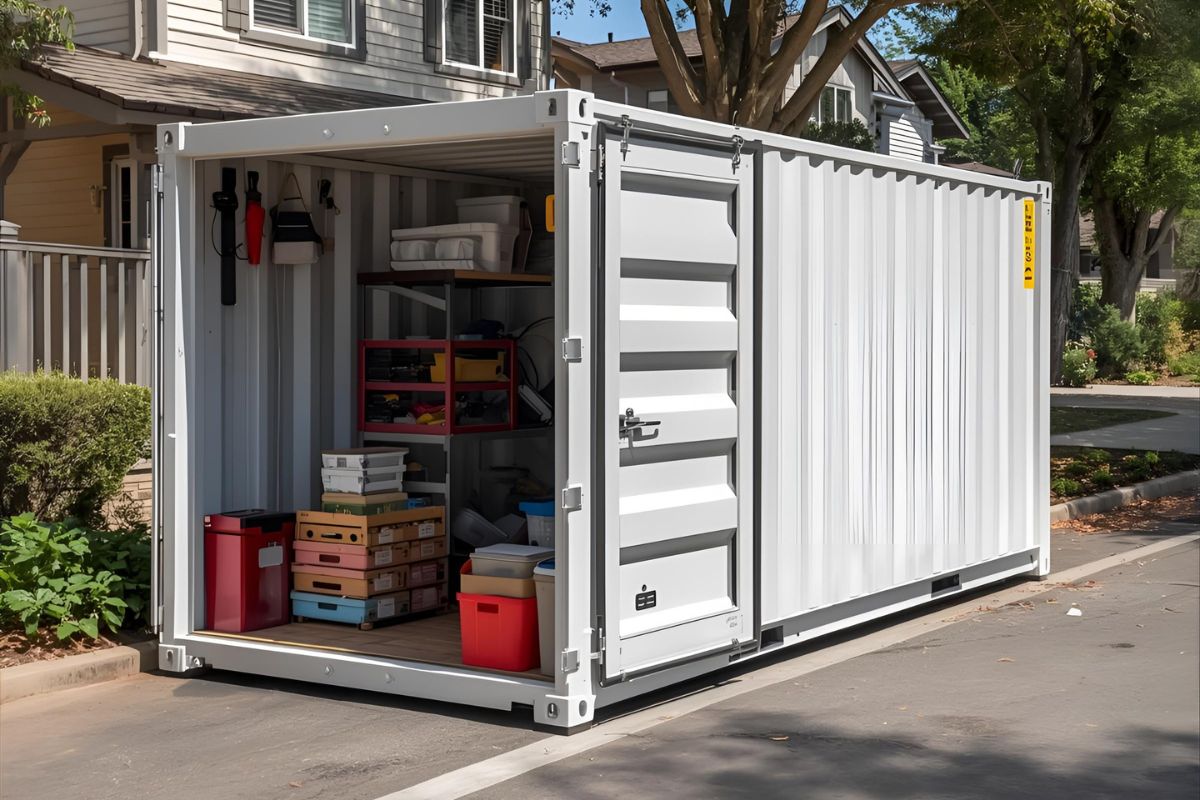
Need more space at home without the hassle of driving to a storage facility or juggling tight schedules at a public unit? With residential portable storage, a container arrives at the driveway, gets loaded at a comfortable pace, and stays on-site or goes to a secure facility until needed. This guide explains what it is, when to use it, how to choose the right size, and how to keep belongings safe, all in clear steps.
What is Residential Portable Storage
Residential portable storage is a weather-resistant container delivered to a home for short- or long-term use, then either parked on-site or transported to a secure storage centre. It brings the storage unit to the curb, so there is no need to drive across town to load and unload more than once.
For many households, it is the simplest way to declutter, prep for a remodel, or stage a move with less stress and fewer trips. Many people search for home storage container rentals to get the flexibility of keeping items close while still clearing space inside the home.
How it typically works:
- The container is delivered at ground level for easier loading and safer lifting.
- Load at a personal pace, then keep it on-site or request pickup to a secure facility.
- When ready, schedule delivery to a new address or back to the home for unloading.
Why Secure Residential Portable Storage Matters
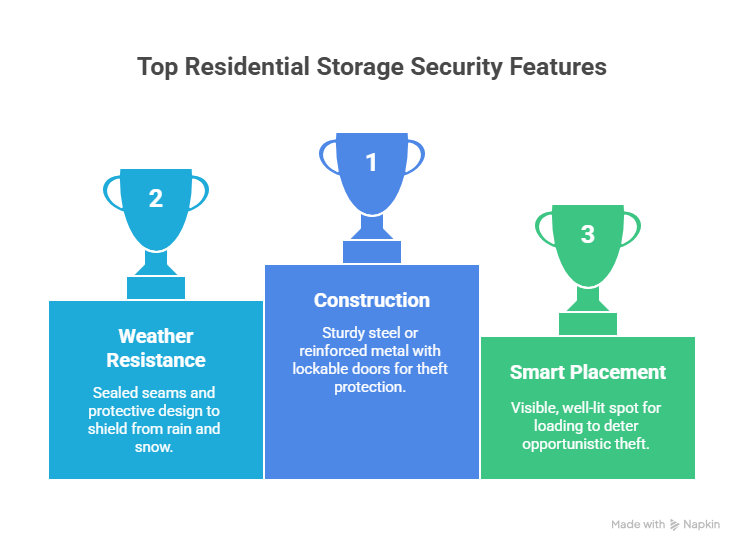
Security is about both construction and access, and quality containers use sturdy steel or reinforced metal with lockable doors to protect items from theft. Many providers integrate high-security lock boxes and robust hardware to reduce tampering risk on the driveway or in storage.
Weather resistance matters, too, and better containers use sealed seams and protective design features to help shield from rain and snow. Homeowners comparing options for home storage container rentals often weigh these features because they can keep furniture, keepsakes, and gear safer for weeks or months.
Pro tip: Pair a strong lock with smart placement. If possible, park the container in a visible, well-lit spot that is still convenient for loading to deter opportunistic theft. Ask about lock compatibility and integrated lock boxes to make sure the chosen lock fits well and stays shielded from bolt cutters.
Convenience: When Residential Portable Storage Shines
Portable storage is ideal for projects that need room, fast and easy access every day. During a kitchen remodel, for example, cabinets, appliances, and tools can live steps away, saving time on every task. Moving and loading once reduces handling, since the same container goes from the driveway to the facility and then to the next place. If a schedule is busy, booking home storage container rentals means loading on weekends or evenings without fighting facility hours.
Real-world uses:
- Decluttering a garage, basement, or spare room before listing a home for sale.
- Storing furniture during flooring or painting projects so rooms stay clear and clean.
- Keeping seasonal gear, sports equipment, or small business inventory secure but close.
Container Sizes and Capacity for Homes
Most residential portable storage systems use a few core sizes, and knowing what fits can save money and headaches. Common options include 8-foot, 12-foot, and 16-foot containers, each holding a typical number of rooms and a defined weight limit. As a quick guide, 8-foot units often fit about one room, 12-foot units fit around two to three rooms, and 16-foot units fit about three to four rooms, with each brand listing its own exact specs and limits.
Helpful numbers:
- PODS 8-foot: about 402 cubic feet, up to 5,200 pounds, roughly one room.
- PODS 12-foot: about 689 cubic feet, up to 4,700 pounds, often for local moves.
- PODS 16-foot: about 835 cubic feet, up to 4,200 pounds, often three to four rooms.
- 1-800-PACK-RAT 8/12/16-foot containers list comparable room counts with their own dimensions and up to 6,000 pounds for larger models.
Pro tip: Create a room-by-room list before picking a size, including bulky items like sofas, mattresses, and appliances, and compare that list to the provider’s room and cubic-foot guidelines. When in doubt between two sizes, consider space for protective padding and aisle access, not just box counts.
Costs and Value: Portable vs Self Storage
Pricing varies by provider, season, and location, but portable containers typically cost more per month than a basic self-storage unit, trading higher monthly fees for time savings and fewer trips. A simple snapshot shows pods ranging roughly from about $90 to more than $270 per month, depending on provider and market, plus typical delivery and pickup fees around $75 per trip.
Traditional self-storage can average around $107 per month for a 10-by-10, with climate control adding about $20 to $50 per month, though rates swing widely by city. For many households, the extra cost of a portable unit feels worth it because it avoids driving, facility hours, and double-handling.
Value adds to portable storage:
- Loading at ground level reduces lifting strain and speeds up packing.
- Items stay in the same container from home to facility and back, which can reduce damage risk.
- On-site access means no extra travel time for forgotten items or quick grabs during a project.
How Residential Portable Storage Works Step-by-Step
- Schedule delivery and placement at a preferred spot, like the driveway, side yard, or curb area that meets local guidelines.
- Load room by room with a plan for weight balance and a safe pathway to the door.
- Decide whether to keep the container on-site or request pickup to the secure facility for temporary storage.
- When done, schedule final delivery to the new home or a return for unloading.
Pro tip: If space is tight, ask about clearance and placement needs before delivery, including driveway slope and turning radius. Also, confirm the container door orientation so loading starts where it will be easiest.
Safety, Packing, and Protection Tips
A few smart moves keep belongings safe and in good shape throughout the storage period. Use a high-quality lock that fits the door hardware and consider models designed to resist bolt cutters, especially if the container will sit outdoors for several weeks. Pack heavier items low and centred, use moving blankets on wood furniture, and create soft pressure points for glass and framed décor. A weather-resistant container protects from rain/snow, and the gasketing and vents reduce moisture build-up.
Moisture and climate tips:
- Allow clean, dry items to air out before sealing boxes to reduce trapped humidity.
- Use vents, desiccant packs, or moisture absorbers if storing for a long period.
- Keep mattresses and fabrics off bare floors with pallets or pads as an extra barrier.
Choosing a Provider and Size Checklist
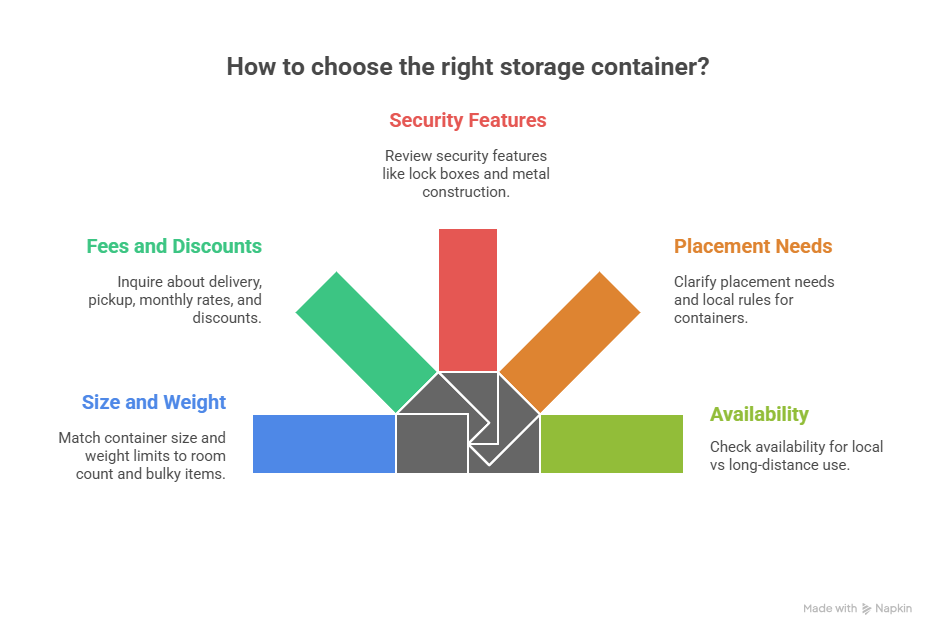
- Confirm available sizes and weight limits, then match to a room count and bulky-item list.
- Ask about delivery fees, pickup fees, monthly rate, storage at the facility, and any extended rental discounts.
- Review security features like lock boxes, door hardware, and metal construction details.
- Clarify placement needs and any local rules for driveway or curbside containers.
- Check availability for local vs long-distance use, since some container sizes vary by service type.
Why Big Box Storage Fits Residential Portable Storage Needs
Big Box Storage focuses on the core advantages that make portable storage so helpful at home: convenience, flexibility, and secure handling from start to finish. The model is built to simplify projects like moving, remodelling, or seasonal storage while keeping loading straightforward and timing in the customer’s control. With one container and one plan, most households cut out multiple trips and reduce the chance of damage from double-handling.
When examining options, pay special attention to how the service factors in on-site access, facility storage and the final delivery, as the ease of logistics can make or break the difference between a mad rush versus a calm project. Remember to consider how their customer support handles schedule changes or unique needs, such as driveways that are too tight or complicated placements—those detail moments add up to a storage plan that feels like it was designed for the home, not the reverse.
Final Thoughts
Residential portable storage brings the unit to the curb, saves time, and helps protect belongings during moves, remodels, and life transitions. With simple size options, strong security features, and clear pricing, it offers a practical path to a less cluttered, more organised home.
When getting started, compare sizes and fees, plan the packing flow, and consider convenience benefits against monthly cost, including the flexibility found with home storage container rentals. For an easy, secure experience backed by an established provider, Big Box Storage is built to make portable storage work smoothly from day one.


.svg)
.jpg)
.jpg)
.jpg)
.jpg)