Siding Options That Add Character and Protection to Your Tiny Home

.jpg)
Choosing the right siding for a tiny home is essential for aesthetic appeal and protection against the elements. With various materials available, homeowners can enhance their living space while ensuring durability. Selecting the right siding option adds character to the tiny home and provides the necessary weather resistance and insulation.
From wooden panels to modern composites, each siding type offers unique benefits and style options. It’s crucial to consider factors like maintenance, environmental impact, and cost-efficiency when making a choice. Ultimately, the right siding can transform the appearance of a tiny home while safeguarding it from harsh weather conditions.
Materials and Selection
Vinyl Siding
Vinyl siding is a popular choice for tiny homes due to its affordability and low maintenance. It is available in many colors and styles, including textures that mimic wood.
Advantages:
- Resistant to rot, pests, and fading.
- Easy to clean with soap and water.
Considerations:
- Can become brittle in extreme temperatures.
- Less eco-friendly compared to other materials.
Chattanooga siding services often recommend vinyl for homeowners seeking a cost-effective and versatile option.
Wood Siding
Wood siding adds natural beauty and warmth to tiny homes. It can be customized with stains or paints for a variety of looks.
Advantages:
- Excellent insulation properties.
- Versatile and sustainable when sourced responsibly.
Considerations:
- Requires regular maintenance to prevent rot and insect damage.
- Higher cost compared to vinyl options.
Using treated wood can enhance longevity, making this a worthwhile investment for many tiny home owners.
Metal Siding
Metal siding is known for its durability and modern aesthetic. It can be made from materials such as aluminum or steel, providing a sleek look.
Advantages:
- Highly resistant to extreme weather and fire.
- Minimal maintenance required.
Considerations:
- Can be more expensive upfront.
- May be prone to dents and scratches.
When considering metal siding, consulting professionals can help determine the best type for specific needs.
Fiber Cement Siding
Fiber cement siding combines cement, sand, and cellulose fibers, resulting in a dense material that mimics wood.
Advantages:
- Long-lasting and resistant to termites and rot.
- Offers versatility in appearance, available in various styles and colors.
Considerations:
- Heavier than other materials, requiring strong support.
- Installation may be more labor-intensive.
With its durability and aesthetic appeal, fiber cement is often chosen by those looking for a long-term siding solution for their tiny home.
Design and Aesthetic Appeal
.jpg)
Color Choices and Textures
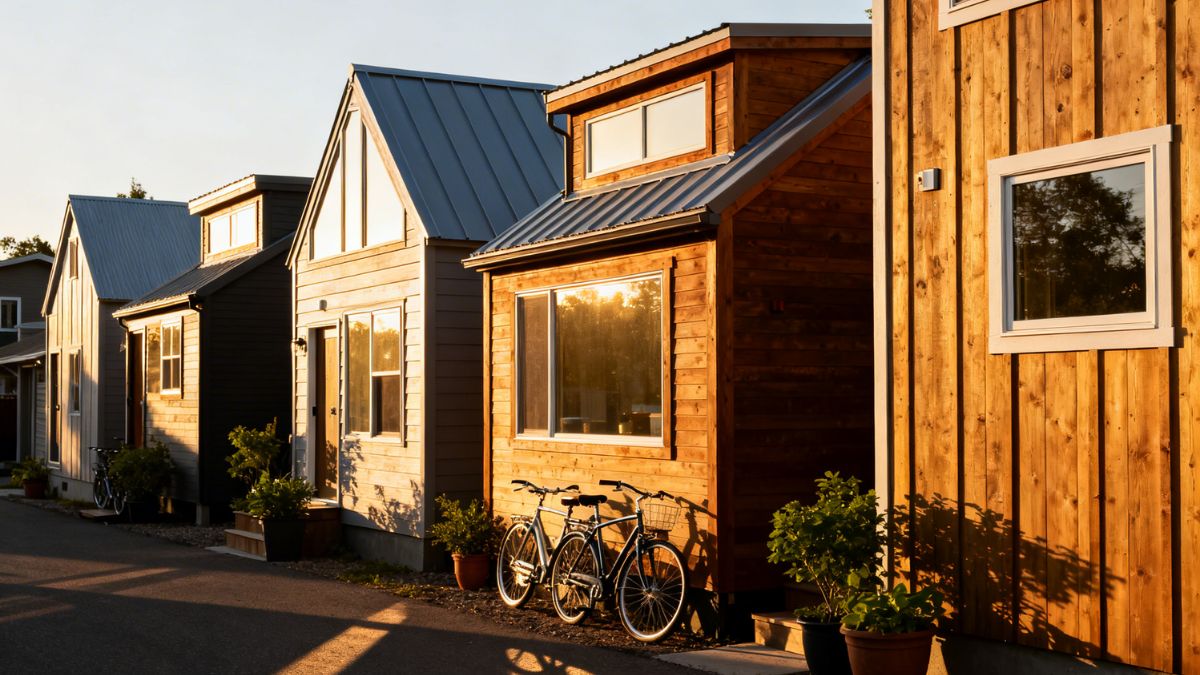
Color selection plays a crucial role in establishing a tiny home's aesthetic. Bright, bold hues can create a striking presence, while subdued tones offer a more harmonious connection to nature. Using light colors can expand the visual space, making homes appear larger, while dark shades provide a grounding effect.
Textures also enrich the home's appearance. Options like wood grain, smooth finishes, or paneling styles allow homeowners to express their unique style. Combining different textures, such as corrugated metal with wood fiber, can create a dynamic landscape.
Historical Accuracy
For those drawn to traditional aesthetics, siding that reflects historical styles is vital. Craftsman, Victorian, and Colonial architectures utilize specific siding materials that resonate with their era. Examples include board and batten or shingles, each evoking a sense of authenticity.
Maintaining historical accuracy doesn’t mean sacrificing modern conveniences. Many companies now offer versatile options that honor these designs without compromising durability or insulation. Carefully selected siding can make a modern tiny home look like a charming relic, reinforcing its connection to past architectural styles.
Modern Innovations
Innovative siding materials are redefining what’s possible in tiny home design. Options like fiber cement and engineered wood offer great resilience and aesthetic qualities. These materials resist rot, insects, and fire, providing long-lasting protection.
Smart technologies are also reshaping siding choices. Solar-integrated panels serve as exterior protection and energy sources. This advancement allows tiny home owners to achieve sustainability without sacrificing style.
Durability and Maintenance
Weather Resistance
Weather resistance is essential for siding materials, especially in regions with extreme conditions. High-quality siding, such as fiber cement or vinyl, stands up well to moisture, wind, and UV exposure.
Longevity and Warranty
Longevity is a significant factor in siding selection. Products like fiber cement offer lifespans exceeding 50 years, making them an excellent investment.
- Vinyl: Typically offers 20-40 year warranties.
- Cedar: Requires more maintenance but can last 30 years with care.
Homeowners should inquire about specific warranties when choosing siding. Reliable warranties signal manufacturer confidence, providing peace of mind through replacements or repairs if issues arise.
Ease of Repair
Ease of repair plays a vital role in maintaining the integrity of siding over time. Some materials, like vinyl, can be easily replaced when damaged.
Wood Siding:
- Requires staining and sealing regularly.
- Damaged boards can be replaced individually.
Fiber Cement:
- May need professional assistance for repairs.
- More challenging to repair but resilient overall.
In Chattanooga, local siding services can assist with quick repairs, ensuring long-lasting protection for tiny homes. Regular inspections and maintenance also help prevent significant issues, keeping siding in top condition for years.
Installation and Professional Services
Proper installation of siding is crucial for ensuring aesthetic appeal and durability in a tiny home. Engaging professional services can make a significant difference in the outcome and longevity of the siding. The following points detail how to effectively choose a contractor and adhere to installation best practices.
Choosing the Right Contractor
Selecting a skilled contractor is vital for quality installation. They should possess the following:
- Experience: Look for contractors with a solid portfolio of completed projects.
- Insured and Licensed: Verify that the contractor holds current licenses and insurance.
- References: Request client references to gauge satisfaction and quality.
Conduct interviews to assess their understanding of specific siding types and installation techniques. Clear communication about budget and timelines is essential to avoid future misunderstandings.
Installation Best Practices
Successful siding installation involves adhering to established best practices. Proper preparation and installation techniques contribute to the siding's effectiveness and lifespan.
- Surface Preparation: Ensure the wall surface is clean, dry, and free of damage. Any previous siding or issues should be addressed before installation.
- Weather Barriers: Install weather-resistant barriers to protect against moisture and improve insulation.
- Material Handling: Follow manufacturer guidelines for cutting and fitting materials to avoid mistakes.
Hiring professionals ensures these standards are met efficiently, enhancing the structure's protection against elements while maintaining its character.


.svg)
.png)
.jpg)