Simple Fixes That Make Homes Safer for Seniors

.jpg)
Older adults can face daily challenges—staircases, slippery floors, poorly lit hallways. Even minor obstacles can become a hazard. But here’s the good news: a few thoughtful upgrades go a long way in boosting comfort and safety. Downsizing risks doesn’t have to mean sacrificing independence or style. With a few clever changes, you can help make a home feel safer, cozier, and more senior-friendly.
In this guide, we’ll explore straightforward updates from the entryway to the bathroom. We’ll even touch on gear like wearable alert bracelets for seniors to give you that extra piece of mind. These aren’t endorsements. Just simple suggestions to round out your efforts. Let’s jump in—gently, of course.
1. Entryways and Hallways: First Lines of Defense
Better Lighting
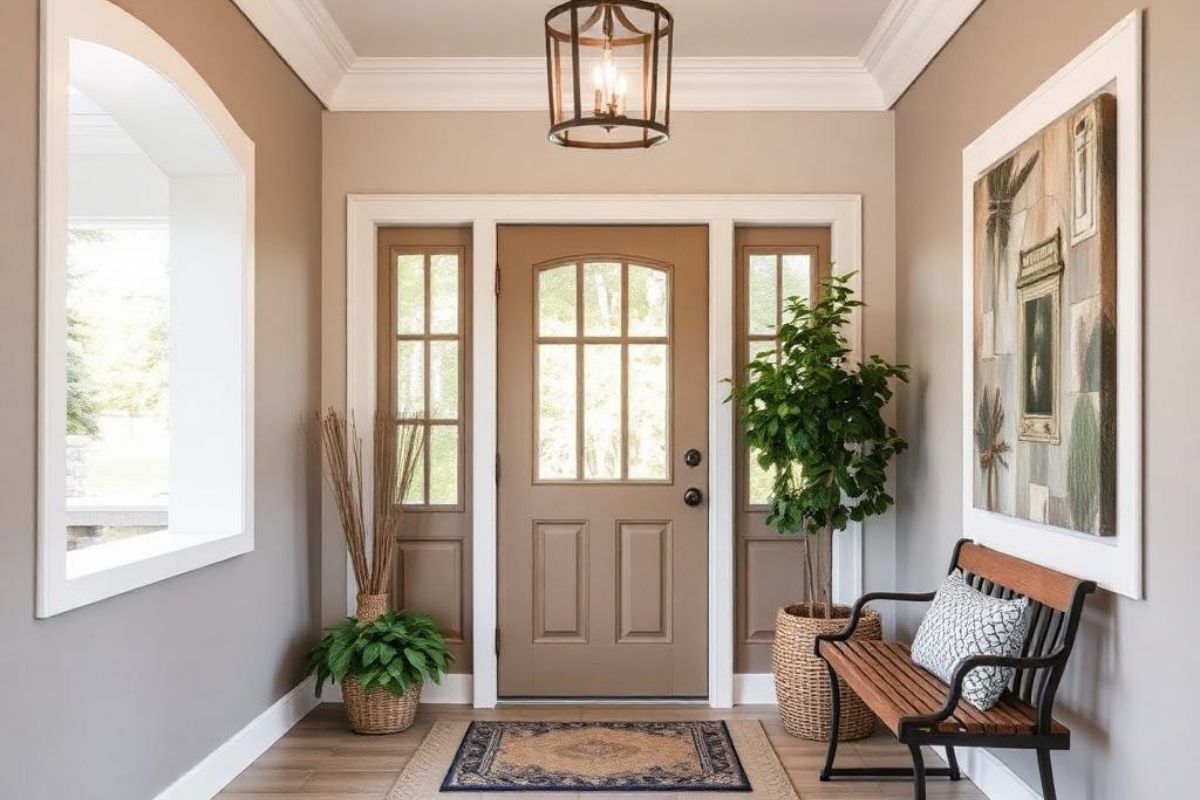
Dim light can hide rugs, small steps, or uneven thresholds. Installing brighter bulbs is an easy win. Use warm white LEDs to avoid harsh glare and keep switches at a reachable height. Night‐lights in hallways are also helpful for midnight strolls.
Clear Out Clutter
Those halls? Keep them clutter‑free. Remove shoes, bags, or anything that might trip someone up. You’d be surprised what a clear path can do for confidence and balance.
Handrails Everywhere
If there’s a long corridor or even a slight incline, consider wall‑mounted handrails. They don’t need to be fancy—just sturdy and at the right height (about 34 to 38 inches). They give extra grip and reassurance for anyone with steadiness issues.
2. Stairs: Take a Climb with Confidence
Install Stair Handrails
This one’s a no‑brainer. Both sides of stairs, if possible. Rails should be easy to grasp, continuous, and extend beyond the top and bottom steps.
Non‑Slip Treads
Slip‑resistant tape or rubber treads can make all the difference. They’re a cheap fix that sticks right onto steps. Make sure each step has consistent grip and color contrast so edges are visible.
Even Step Height
If the home has older construction, sometimes step heights vary. If more than a ½‑inch difference exists between steps, it’s worth fixing. Uneven heights are a common cause of missteps.
3. Floors and Rugs: Grip Without Trips
Secure Rugs and Mats
Rugs can feel cozy but become trip hazards. Use low‑profile, non‑skid mats or secure bigger rugs with double‑sided tape. You want softness underfoot without loose edges.
Opt for Non‑Slip Flooring
In kitchens or entry rooms, consider low‑slip flooring. Vinyl and textured tiles can provide traction, especially if spills are a factor. Smooth surfaces may look sleek, but they can be risky when wet.
Keep the Surface Even
Look for any raised floorboards or seams between different floor types. Even small transitions (like carpet to tile) deserve attention. Smooth thresholds or ramps can help.
4. Kitchen Safety: Cook Without the Risk
Easy‑Reach Cabinets
Modify upper cabinets to pull‑down shelves or use a step stool with a wide base and handrail. The goal? Avoid stretching or standing on wobbly stools.
Anti‑Fatigue Mats
Standing to cook or prep meals can strain joints. Anti‑fatigue mats ease discomfort. Choose ones with beveled edges to reduce tripping risk.
Faucet Upgrades
Lever‑style faucets or touchless models are great when hand strength is limited. They cut down on twisting motions and make cleanup simpler.
Clear Pathways
Ensure open space of at least 36 inches between counters and island units. Crowded kitchens increase collision risk, so prioritize clear routes to the fridge, stove, and sink.
5. Bathroom: A Water‑Safe Zone
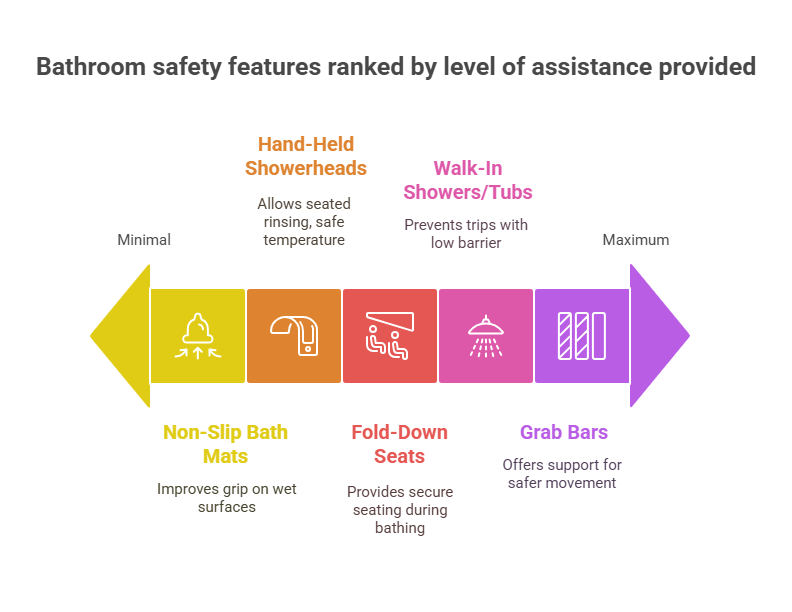
Grab Bars in Key Spots
Next to toilets, in showers, and by tubs—grab bars make bathroom activity safer. Use corrosion‑resistant stainless steel bars that can hold up to at least 250 pounds.
Walk‑In Showers or Tubs
Swapping a high‑wall tub for a walk‑in shower (or tub with a door) helps prevent trips. Install a textured, slip‑resistant floor surface inside.
Fold‑Down Seats
A shower bench lets a senior sit while bathing. Choose models that mount securely to the wall and fold up when not in use.
Hand‑Held Showerheads
These let users sit and still rinse properly. Pair with anti‑scald valves to maintain safe water temperatures.
Non‑Slip Bath Mats
Inside and just outside the shower, add mats with strong suction cups. They boost grip when stepping out onto wet surfaces.
6. Bedrooms: Safe Slumber Zones
Bed Height
Aim for bed heights that allow feet to rest flat on the floor when seated. Too high forces strain, too low may cause difficulty standing.
Clear Walk Area
Keep a clear 2‑ to 3‑foot pathway around the bed. No chargers or clutter in the way—especially at night.
Night‑Lights and Light Kits
Plug‑in night‑lights near the bed and motion‑activated lights along the floor help for bedside trips.
Bedside Assist Rails
A simple rail or handle can help in sitting up or stepping out. Many are securely clamped to bed frames.
7. Living Areas: Relax with Ease
Chair and Sofa Heights
Seat heights of 17–19 inches are ideal for comfortable sitting and standing. Add firm cushions if necessary.
Declutter Cables
Hide or tape down cords from lamps, electronics, or phone chargers. Loose cables are common hazards.
Smart Switches
Install rocker or touch light switches at reachable heights. Even smart lighting controlled by voice can help reduce fumbling for switches.
8. Tech Aids—Simple, Not Overwhelming
Motion Sensors
Motion‑activated lighting in hallways or stairwells can eliminate fumbling for switches. It’s hands‑free and helpful on nighttime trips.
Emergency Pull Cords
Bathrooms or bedrooms can sport emergency‑call cords or buttons. These give a direct line to caregivers without fiddling with a phone.
Wearable Signals
Again, not a product pitch—but think about options like alert bracelets for seniors. One firm tug or button press can summon help if needed.
9. Routine Checks: Keep Safety in Shape
Weekly Scan
Walk through each room and look for hazards—loose carpet edges, slippery mats, changing light‑bulb outages.
Annual Reviews
Every year, check grab bars, handrails, step integrity, and lighting levels. Small maintenance avoids big problems.
Listen and Learn
Talk to the senior family member. Encourage honest feedback. If something feels unsafe or heavy to lift, address it sooner rather than later.
10. Outdoor Spaces: Extend Safety Beyond the Door
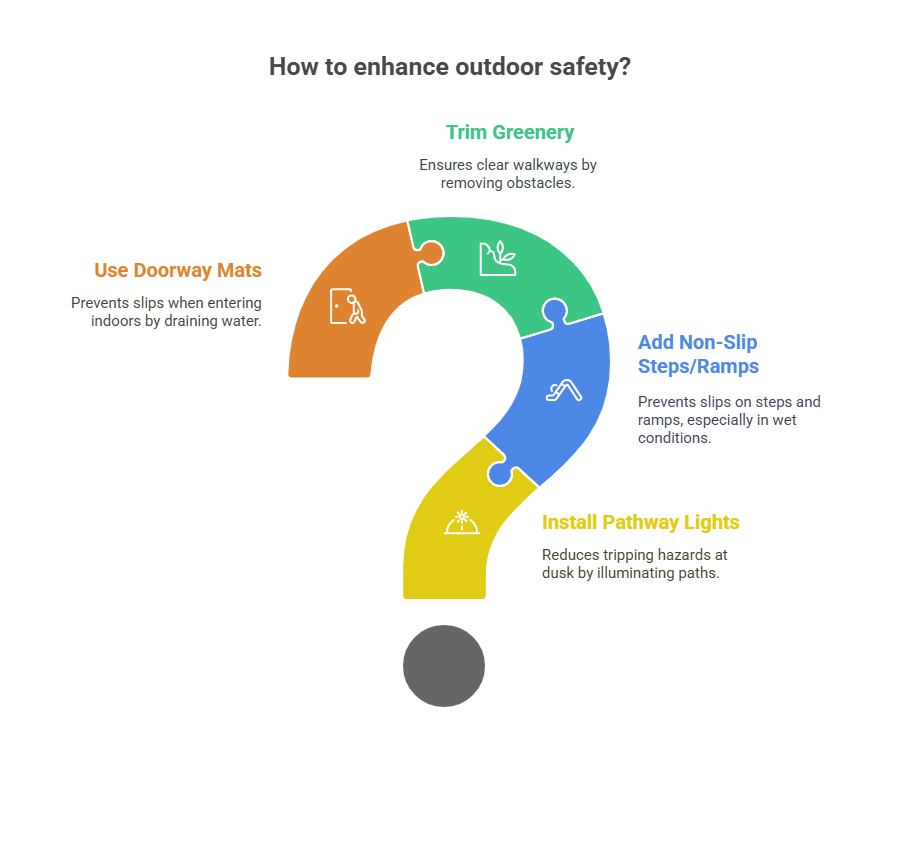
Pathway Lights
Even garden paths or driveway walkways benefit from simple solar lights. They reduce tripping hazards at dusk.
Non‑Slip Steps and Ramps
If there’s a front or back step, add textured grip or a ramp. Handrails on both sides help when weather makes surfaces slick.
Trim the Greenery
Keep shrubs and trees trimmed so walkways are clear. No surprise branches or roots to unsettle balance.
Doorway Mats
Use low‑profile mats outside that drain water. They prevent slipping when heading back indoors.
11. Budget‑Friendly Upgrades That Pack a Punch
Some of these fixes are totally free (a quick clutter clear‑out). Others run under $50—non‑slip treads, LED bulbs, grab bars. Even $200 can deliver multiple upgrades with lasting impact. You don’t need a contractor to get started.
12. When to Call the Pros
Certain jobs—like installing grab bars or adjusting step heights—might require a trusty handyman or contractor. If the fix involves structural changes or electrical alterations, get a pro for safety and code compliance. But for most lighting, mats, and handheld gear, you can DIY in an afternoon.
13. The Big Picture: Confidence & Independence
Safe spaces help seniors maintain their routines longer. Reducing risk means fewer falls, less worry, and more freedom to do everyday tasks. Simple changes can boost self‑esteem—and help families relax, too.
Conclusion
Making a home safer for seniors doesn’t have to be expensive or daunting. With careful tweaks—from lighting to grab bars to slip‑resistant floors—you can transform everyday spaces into confident, comfortable zones. You’re not just installing fixtures. You’re building reassurance, independence, and peace of mind.
Take it one room at a time. Hold tight to practical improvements and small gear choices. And remember: even lighthearted chats about safety gear like alert bracelets for seniors can spark awareness. Little steps add up—kind of like climbing stairs with handrails in place. One step at a time leads to steadier footing all around.
Here’s to safer homes, smoother steps, and brighter days ahead.


.svg)
.png)
.jpg)