Stainless Steel Kitchen Sink: Practical, Durable, and Modern

.jpg)
When you choose a stainless steel kitchen sink, you get a tough, stain- and rust-resistant surface that holds up to heat and daily use. It's easy to keep clean, won't harbor bacteria, and adds a sleek, modern style to your kitchen. Whether you cook often or just want something low-maintenance, this material offers practical, long-lasting performance. Want to find the best features, types, and tips for care? Plenty of valuable details are just ahead.
- Stainless steel kitchen sinks are highly durable, resisting stains, rust, and heat for long-lasting performance.
- Their modern appearance and sleek finishes complement a wide range of kitchen designs.
- Easy-to-clean surfaces and hygienic properties make stainless steel sinks practical for busy households.
- Multiple styles, including undermount, top-mount, and farmhouse, offer versatile installation options.
- Lightweight construction ensures straightforward installation and often lowers overall sink replacement costs.
Benefits of Stainless Steel Kitchen Sinks
Although you have many options when choosing a kitchen sink, stainless steel stands out for its durability, affordability, and easy maintenance. You’ll notice that stainless steel resists stains, rust, and heat, making it ideal for daily kitchen tasks. Unlike other materials, it won’t chip or crack if you accidentally drop a pot or pan. Cleaning is simple; you only need mild soap and water to keep it looking fresh. Stainless steel also remains hygienic, since it doesn’t harbor bacteria or odors. Its neutral finish complements any kitchen style, whether modern or traditional. Additionally, stainless steel sinks are lightweight, so installation is straightforward and often less expensive. With all these benefits, you’re investing in a practical and reliable centerpiece for your kitchen.
Types of Stainless Steel Kitchen Sinks
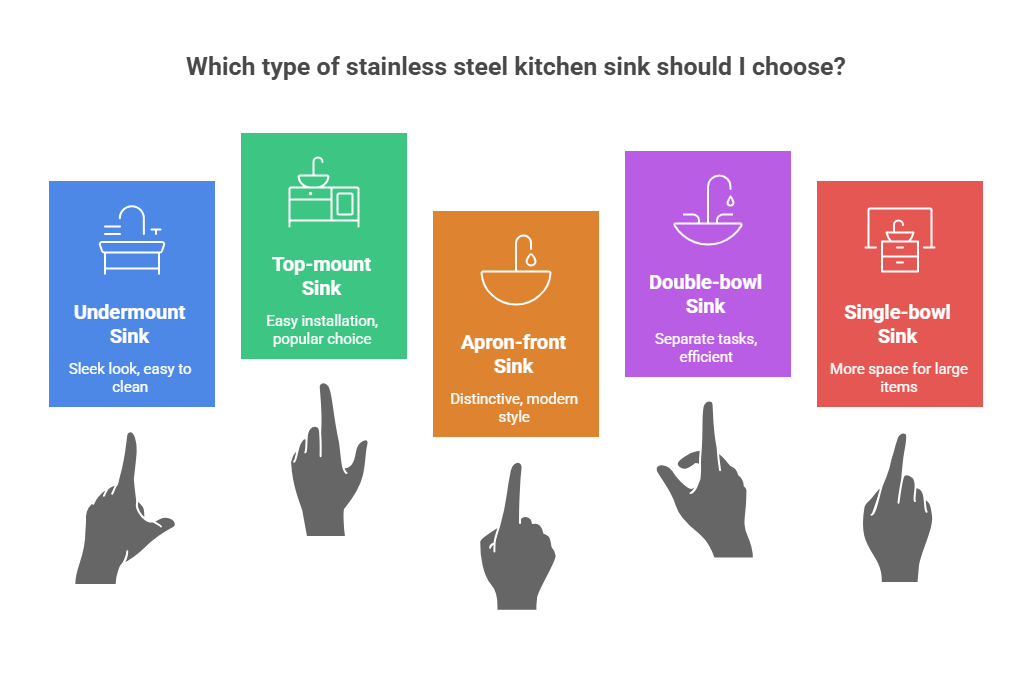
When you're choosing a stainless steel kitchen sink, you'll find several types designed to suit different needs and preferences. Undermount sinks attach beneath the countertop, creating a sleek look and making it easy to sweep debris straight into the bowl. Top-mount, or drop-in sinks, sit on top of the counter and are easy to install, making them a popular choice for many homeowners. Apron-front (or farmhouse) sinks feature an exposed front panel and add a distinctive, modern look. If you cook often, you might prefer a double-bowl sink, which allows you to separate tasks like washing and rinsing. Single-bowl sinks offer more space for large pots and pans. Each type has its unique advantages, so consider your kitchen habits and style before deciding.
Key Features to Look For
Durability stands out as a top priority when choosing a stainless steel kitchen sink, but other features also make a significant difference in daily use. First, consider the gauge of the steel. Lower gauge numbers mean thicker, sturdier material, so aim for 16 or 18 gauge for better resistance to dents and noise. Look for sound-deadening pads or undercoating, which help reduce clanging and vibrations. Check for a high-quality finish, such as brushed or satin, to minimize visible scratches and water spots. Opt for rounded corners inside the basin—they’re much easier to clean than sharp edges. Also, assess the depth and configuration that best fits your cooking and cleaning habits. These features guarantee your sink’s performance, longevity, and daily convenience.
Comparing Stainless Steel to Other Sink Materials
Once you’ve identified the key features of a stainless steel kitchen sink, it helps to see how this material stacks up against other common options like porcelain, granite composite, and cast iron. Stainless steel sinks are lightweight, resist chipping and cracking, and don’t rust, making them highly durable. Compared to porcelain, stainless steel won’t stain or chip as easily. Granite composite sinks offer excellent scratch resistance but are heavier and can be more expensive. Cast iron sinks, coated in enamel, provide a classic look but are prone to chipping, and their weight may require extra cabinet support. If you value affordability, resilience, and a modern look, stainless steel is hard to beat. Its versatility fits both contemporary and traditional kitchen designs.
Maintenance and Cleaning Tips
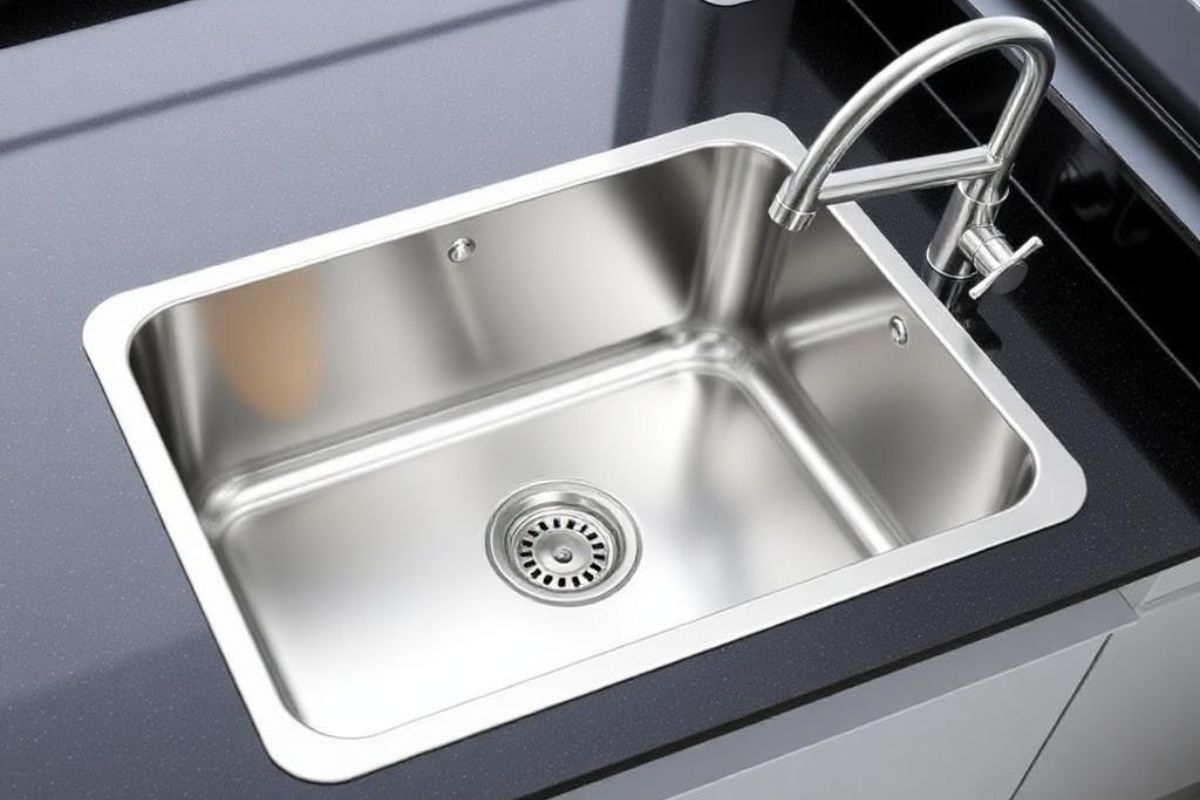
Although stainless steel kitchen sinks are known for their durability and resistance to stains, proper maintenance guarantees they keep their shine and functionality over time. To start, rinse your sink after each use to prevent mineral deposits and food residue buildup. Use a soft sponge with mild dish soap for daily cleaning; avoid abrasive pads or harsh cleaners, as they can scratch the surface. For stubborn spots or water marks, apply a paste of baking soda and water, then rinse thoroughly. Dry the sink with a microfiber cloth to prevent water spots and maintain a polished look. Avoid leaving acidic or salty foods in the sink for extended periods, as they can cause discoloration. By following these simple steps, you'll maximize your sink's lifespan and appearance.
Style Options for Every Kitchen
Whether you’re renovating or simply updating your kitchen, stainless steel sinks come in a variety of styles to suit every design preference. You’ll find options like single or double bowls, which let you choose between a spacious washing area or divided functionality for multitasking. Undermount sinks create a seamless look, making cleanup easier, while top-mount models are classic and versatile. If you want a modern touch, consider sleek zero-radius corners, which offer a crisp, angular appearance. For a more traditional look, rounded edges soften the overall design. You can even select from different finishes—brushed, satin, or mirrored—to match your appliances and décor. Whatever your kitchen’s style, stainless steel sinks adapt easily, ensuring you achieve both aesthetic appeal and lasting durability.
Installation Considerations
Before installing your stainless steel kitchen sink, you’ll need to assess factors like countertop compatibility, cabinet size, and plumbing configuration. Measure the available cabinet space to guarantee the sink fits without crowding other fixtures. Check your countertop material—some require professional cutting or additional support, especially for heavier, undermount sinks. Confirm that your plumbing lines up with the new sink’s drain and faucet locations to avoid costly rerouting.
Consider installation type—top-mount sinks are often easier for DIY projects, while undermounts deliver a seamless look but may need expert installation. Don’t overlook sound insulation; some stainless steel sinks include pads to reduce noise during use. Finally, review the mounting hardware included with your sink and follow manufacturer instructions closely for a secure, leak-free result.
Budgeting for Your Stainless Steel Sink
When planning your kitchen upgrade, it’s important to set a realistic budget for your stainless steel sink, factoring in more than just the initial purchase price. You’ll want to take into account the cost of installation, which can vary depending on whether you choose an undermount or drop-in model. Don’t overlook additional expenses like plumbing adjustments, faucets, or accessories such as cutting boards and strainers. Stainless steel sinks range widely in price based on gauge (thickness), size, and brand reputation, so compare options and read reviews to guarantee value and durability. Investing a bit more upfront in a higher-gauge sink can save on maintenance costs over time. By planning carefully, you’ll avoid unexpected expenses and enjoy a sink that meets both your budget and long-term needs.
Conclusion
Choosing a stainless steel kitchen sink gives you a practical, durable, and stylish upgrade for your kitchen. You’ll appreciate its resistance to stains, easy maintenance, and versatility in design. Stainless steel outperforms many other materials in both cost and longevity. By considering the features, style, and installation needs, you can find the perfect fit for your space and budget. With proper care, your sink will stay looking modern and functional for years to come.


.svg)
.png)
.jpg)