The Fire Restoration Process: How Experts Bring Your Home Back to Life

.jpg)
A house fire is one of the most devastating events a homeowner can experience. Beyond the immediate destruction caused by flames, the aftermath often includes smoke damage, water saturation, structural instability, and emotional trauma. Once the fire is extinguished and the property is deemed safe, the journey to recovery begins. This is where fire restoration professionals step in—not just to repair what was lost, but to bring your home back to life with precision, care, and expertise.
Emergency Response and Safety Assessment
The fire restoration process by fire damage Manhattan begins the moment the flames are out. Restoration experts are typically available around the clock to respond to emergencies. Their first priority is safety. Upon arrival, they assess the structural integrity of the building to determine whether it is safe to enter. If necessary, they install temporary supports, board up broken windows, and tarp damaged roofs to prevent further exposure to the elements. This initial stabilization is crucial to protect both the property and the people working within it.
Comprehensive Damage Inspection
Once the site is secure, a detailed inspection follows. Restoration professionals evaluate the extent of fire, smoke, soot, and water damage throughout the property. They document everything with photographs and written reports, which are essential for insurance claims and project planning. This inspection also includes identifying hidden damage, such as weakened framing, compromised insulation, and lingering smoke odors trapped in porous materials. The goal is to create a clear, actionable roadmap for the restoration process.
Water Extraction and Structural Drying
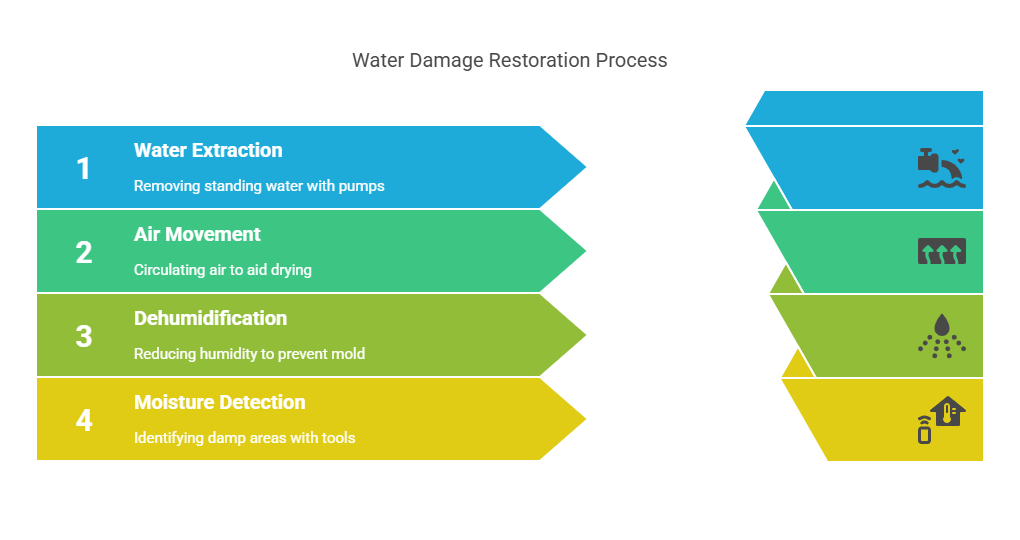
Many homeowners are surprised to learn that water damage is a significant part of fire restoration. Firefighting efforts often leave behind large volumes of water, which can seep into floors, walls, and ceilings. Restoration teams use industrial pumps, air movers, and dehumidifiers to extract standing water and dry out the structure. This step is time-sensitive, as prolonged moisture can lead to mold growth, wood rot, and further structural weakening. Moisture meters and thermal imaging tools help ensure that no damp areas are overlooked.
Smoke and Soot Removal
Even a small fire can produce smoke and soot that permeate every corner of a home. These residues are not only unsightly but also corrosive and hazardous to health. Restoration professionals use specialized equipment such as HEPA vacuums, air scrubbers, and chemical sponges to remove soot from surfaces. They also clean HVAC systems to prevent the recirculation of smoke particles. Odor neutralization techniques, including ozone treatment and thermal fogging, are employed to eliminate lingering smells and restore indoor air quality.
Cleaning and Sanitization
After the smoke and water are addressed, the focus shifts to deep cleaning and sanitization. This includes removing debris, disinfecting surfaces, and salvaging personal belongings. Restoration teams use a variety of cleaning agents and methods tailored to different materials and levels of contamination. Items such as clothing, electronics, and documents may be cleaned using ultrasonic baths, dry cleaning, or freeze-drying techniques. The objective is to restore as much as possible while ensuring a safe and healthy environment.
Structural Repairs and Reconstruction
With the property clean and dry, the rebuilding phase begins. Depending on the severity of the fire, this may involve minor repairs like replacing drywall and repainting, or major reconstruction such as rebuilding entire rooms or structural components. Restoration companies often have in-house construction teams or partnerships with licensed contractors to handle everything from framing and roofing to electrical and plumbing work. Their goal is to return the property to its pre-loss condition—or better—while adhering to current building codes and safety standards.
Content Restoration and Storage
In many cases, it’s necessary to remove belongings from the property during restoration. Fire restoration companies offer content pack-out services, carefully inventorying, packing, and transporting items to a secure facility. There, they are cleaned, restored, and stored until the property is ready for reoccupation. This service not only protects valuables from further damage but also streamlines the restoration process by clearing the work area.
Insurance Coordination and Documentation
Navigating insurance claims can be daunting, especially in the wake of a disaster. Professional restoration companies assist by providing detailed documentation, including photos, itemized lists, and repair estimates. They often work directly with insurance adjusters to ensure that claims are processed efficiently and fairly. This support reduces the administrative burden on property owners and helps expedite financial recovery.
Final Walkthrough and Quality Assurance
Before the job is considered complete, a final walkthrough is conducted to ensure that all work meets the company’s standards and the client’s expectations. Any remaining issues are addressed promptly, and the property owner is provided with a comprehensive report detailing the services performed. This final step ensures transparency, accountability, and peace of mind.
Emotional and Psychological Support
Recovering from a house fire isn’t just about physical repairs—there’s also a deep emotional toll. Homeowners often experience shock, grief, and anxiety. While restoration companies aren’t therapists, many work closely with counselors or offer referrals to mental health professionals. Some even provide dedicated project managers who serve as compassionate points of contact throughout the restoration, offering reassurance and updates that reduce stress during a chaotic time.
Importance of Timely Restoration
Delays in fire restoration can significantly worsen the damage. For example, soot becomes more acidic over time and can permanently stain surfaces. Water left untreated may lead to toxic mold growth within 24 to 48 hours. Quick action not only protects your property—it can also save you thousands in future remediation costs. Fire restoration experts are trained to act swiftly and strategically, which minimizes the long-term effects of damage.
Compliance with Local Regulations and Permits
Fire-damaged structures must often be brought up to current building codes during restoration. This could include updates to electrical systems, plumbing, or even insulation and fireproofing materials. A professional restoration company like Zicklincontracting.com understands the permitting process and local regulations, ensuring that all reconstruction work complies with legal requirements and passes necessary inspections.
Modern Technology in Fire Restoration
Advanced technology plays a major role in efficient fire restoration. For instance:
- Infrared cameras help detect hidden water damage inside walls and ceilings.
- Dry ice blasting and soda blasting clean soot from surfaces without causing damage.
- Ultrasonic cleaning restores electronics and delicate items that would be impossible to clean manually.
- Cloud-based project tracking lets homeowners monitor progress in real time.
By using cutting-edge tools, professionals deliver faster, safer, and more precise results.
Eco-Friendly Restoration Practices
Sustainability is a growing concern, even in disaster recovery. Some restoration companies use green cleaning agents, low-VOC (volatile organic compound) paints, and eco-friendly deodorizers. Recycled building materials may be used when possible, and water and energy-saving appliances may be installed during reconstruction. Choosing an environmentally conscious contractor is a smart decision for homeowners who want to minimize their carbon footprint during the rebuilding phase.
Customization and Upgrades During Restoration
A silver lining to the tragedy of a house fire is the opportunity to redesign and improve your living space. Restoration professionals often give homeowners the option to upgrade fixtures, finishes, and layouts during reconstruction. You may decide to add better insulation, modernize your kitchen, or redesign outdated rooms. Partnering with a company like Zicklincontracting.com means your home doesn't just return to its old state—it can come back stronger, safer, and more beautiful.
Partnering with Other Experts
Fire restoration isn't a one-person job—it often requires coordination between plumbers, electricians, HVAC specialists, structural engineers, and interior designers. Reputable restoration firms maintain relationships with trusted tradespeople and subcontractors, ensuring a seamless and collaborative restoration experience. This integrated approach ensures that all aspects of your home are rebuilt to professional standards.
Fire Prevention Recommendations
As part of their services, many fire restoration companies offer post-restoration fire prevention tips and upgrades. This might include installing:
- Hard-wired smoke detectors with battery backup
- Residential fire sprinkler systems
- Fire-rated drywall and doors
- Surge protectors for electronics
These preventive measures reduce the risk of future incidents and provide homeowners with an added sense of security.

Financing and Payment Flexibility
Not all insurance policies cover 100% of fire restoration costs. Many restoration companies provide financing options, payment plans, or work with financial institutions to help homeowners bridge the gap. This flexibility makes professional restoration accessible even when insurance coverage is limited or delayed.
Post-Restoration Maintenance Tips
Once the restoration is complete, experts often offer guidance on how to maintain your newly restored home. Tips might include:
- Regular HVAC cleaning to maintain air quality
- Moisture monitoring to prevent mold
- Annual electrical inspections
- Proper storage of flammable items
These tips can help homeowners preserve their investment and prevent future issues.
Conclusion: From Devastation to Renewal
The fire restoration process is a complex and deeply personal journey. It requires technical expertise, meticulous planning, and compassionate service. From the first emergency call to the final coat of paint, restoration professionals work tirelessly to rebuild not just structures, but lives. Their mission is to transform a scene of devastation into a place of comfort, safety, and hope—bringing your home back to life, one step at a time. Elevate your next renovation project with the trusted craftsmanship and decades of experience found at Zicklincontracting.com.


.svg)
.png)
.jpg)