Things to Know Before You Close on a Property Under Construction

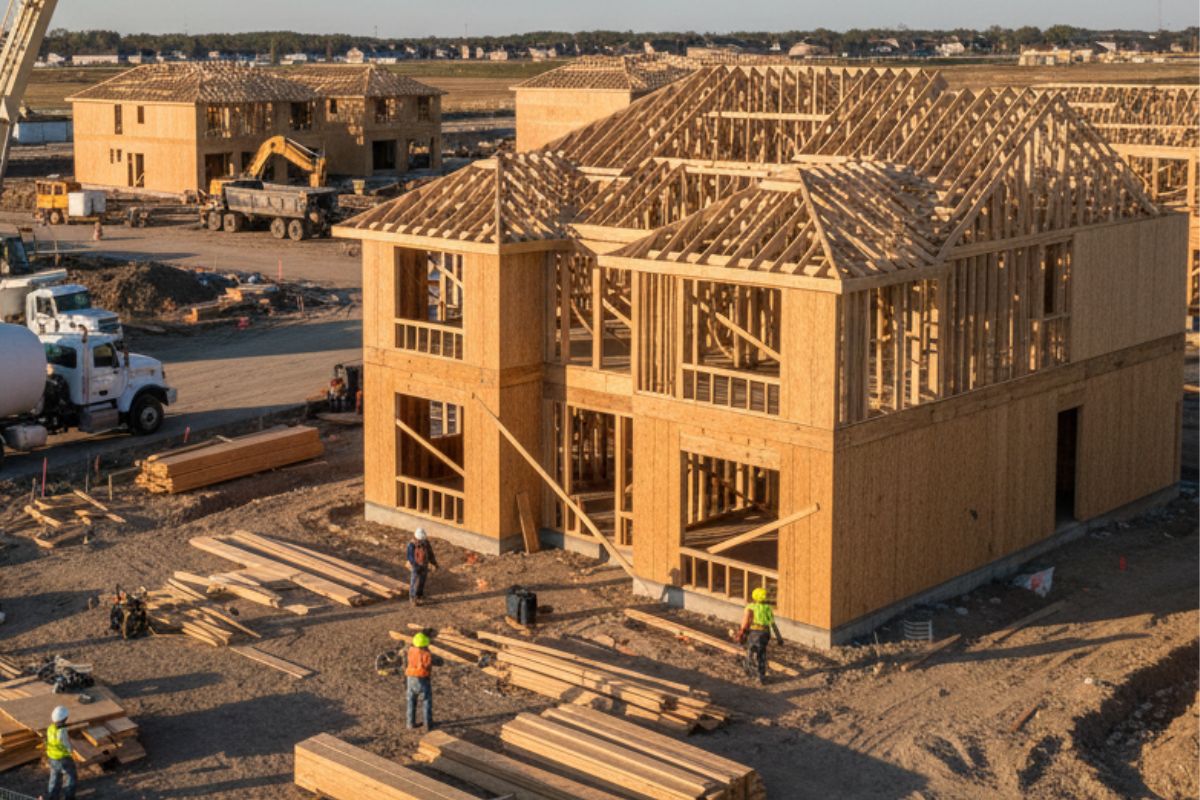
Ever walked through a half-built home and pictured the perfect future? That hope is real—but if you're closing before the place is fully finished, hope alone won't protect you. More buyers are jumping into pre-construction deals to beat rising rates and low inventory, but fast builds come with risks. Between supply delays and labor shortcuts, serious issues can hide behind fresh paint. Once you close, those problems become yours.
In this blog, we will share the key things you need to check, ask, and document before closing on an unfinished home, so you don’t inherit more problems than property.
Not All New Homes Are Created Equal
New doesn’t always mean good. Especially now. With the demand for housing still sky-high, builders are working fast to meet deadlines. Speed is great for business. But it can also lead to missed steps, sloppy work, or cut corners you won’t notice until a wall leaks or the floor starts warping.
This is why timing matters. If your closing date is approaching and your home isn’t quite done, resist the pressure to sign and “figure it out later.” Once you own the property, everything that goes wrong becomes your problem. And trying to chase down a builder after closing is rarely fun, especially if the work technically passed a rushed inspection.
That’s where tools like a construction defects guide come in. These are resources that help you understand what’s considered acceptable and what isn’t—by code, by contract, and by professional standards. They walk you through what to look for in workmanship, materials, and structural elements, especially in areas that might not be visible once paint and trim go on. A guide can also help you ask smarter questions during your final walkthrough and document issues with the right language. It’s not about being a nuisance to your builder. It’s about protecting your future.
.jpg)
Look Beyond the Shine
On the surface, everything might look finished. The lights work. The floors are polished. There’s even a ribbon on the front door. But it’s the hidden stuff that causes problems later.
You need to know what’s underneath. Was the drywall sealed properly? Is the HVAC system balanced and tested? Are the windows sealed to prevent water intrusion? These aren’t things you can spot with a quick tour and a checklist that says “looks great.”
Bring in your own inspector. Yes, even for a new build. Especially for a new build. Municipal inspectors don’t work for you. They’re looking for code violations, not long-term livability. A private home inspector will take their time, open panels, check insulation, and look in places you won’t think to check.
And don’t just rely on one visit. Ask for multiple walkthroughs at key phases: pre-drywall, post-trim, and final. The more checkpoints you have, the fewer surprises you’ll get after closing.
Read Every Single Page of the Contract
No one wants to read a 50-page purchase agreement. But hidden inside all that legal language are the only tools you’ll have if things go wrong. Look for the warranty terms. What does it cover? For how long? And who do you contact if something breaks?
Some builder warranties only cover structure for ten years, but major systems like plumbing or electrical may be just two. Others exclude damage caused by subcontractor work, which is tricky when most of the house was built by subcontractors.
Also, check the language around completion. Is the builder legally allowed to close before all work is done? What happens if materials are delayed? Can they substitute products without your consent?
Make notes. Ask for changes. And if anything doesn’t feel right, bring in a real estate attorney to review it. It’s cheaper to ask now than to fight later.
Understand What “Substantial Completion” Really Means
One of the biggest surprises for buyers is learning that a home can be legally closed on even if it isn’t 100% finished. Builders may use phrases like “substantially complete” or “ready for occupancy” to push closings forward. These terms are vague by design.
You might move in without mirrors, without a finished yard, or without working appliances. While that might not sound like a deal-breaker, it becomes one when those fixes drag on for months and communication dries up.
Set expectations in writing. Make a punch list of unfinished items and have the builder sign off on deadlines. Don’t rely on verbal promises or “don’t worry, we’ll take care of it after you close.” Get it in the contract or a separate agreement with signatures.
.jpg)
Watch for Signs of Rushed Work
Walk through the home slowly. Look at everything. Uneven grout. Gaps in trim. Paint splatters. Loose outlets. Sticky doors. These little things add up. And often, they’re signs that bigger things were also done in a rush.
Take photos. Document anything that feels off. Share the list with your builder before closing. The more you flag early, the better your leverage.
This is also a good time to check your own tolerance. If small flaws now feel like big red flags, ask yourself if you're really ready to own a home that might have bigger flaws hidden underneath.
Don’t Skip the Final Walkthrough—Ever
Even if you’re tired. Even if it’s been rescheduled three times. Even if the builder says everything’s done. The final walkthrough is your last chance to see the home before it's legally yours. Treat it like a job interview for your house.
Bring your inspector if possible. If not, bring a friend who’s detail-oriented. Don’t rush. Take photos. Open every door. Run every faucet. Flush every toilet. Test every outlet. You’re not being difficult. You’re being smart.
If anything’s missing or broken, put it in writing. Demand a timeline for completion or repair. Don’t assume it will be handled just because someone nodded and smiled.
Closing on a property under construction can be exciting. But it also requires a level of focus and planning that doesn’t always match the HGTV fantasy. Real estate is a long game. And construction flaws don’t always show themselves right away.
By approaching the process with clear eyes, strong documentation, and a refusal to rush, you give yourself a far better shot at enjoying your new home for all the right reasons. Not because it came with a pretty brochure, but because it was actually built to last.


.svg)
.png)
.jpg)