Timber Kitchen Benchtops for Natural Beauty

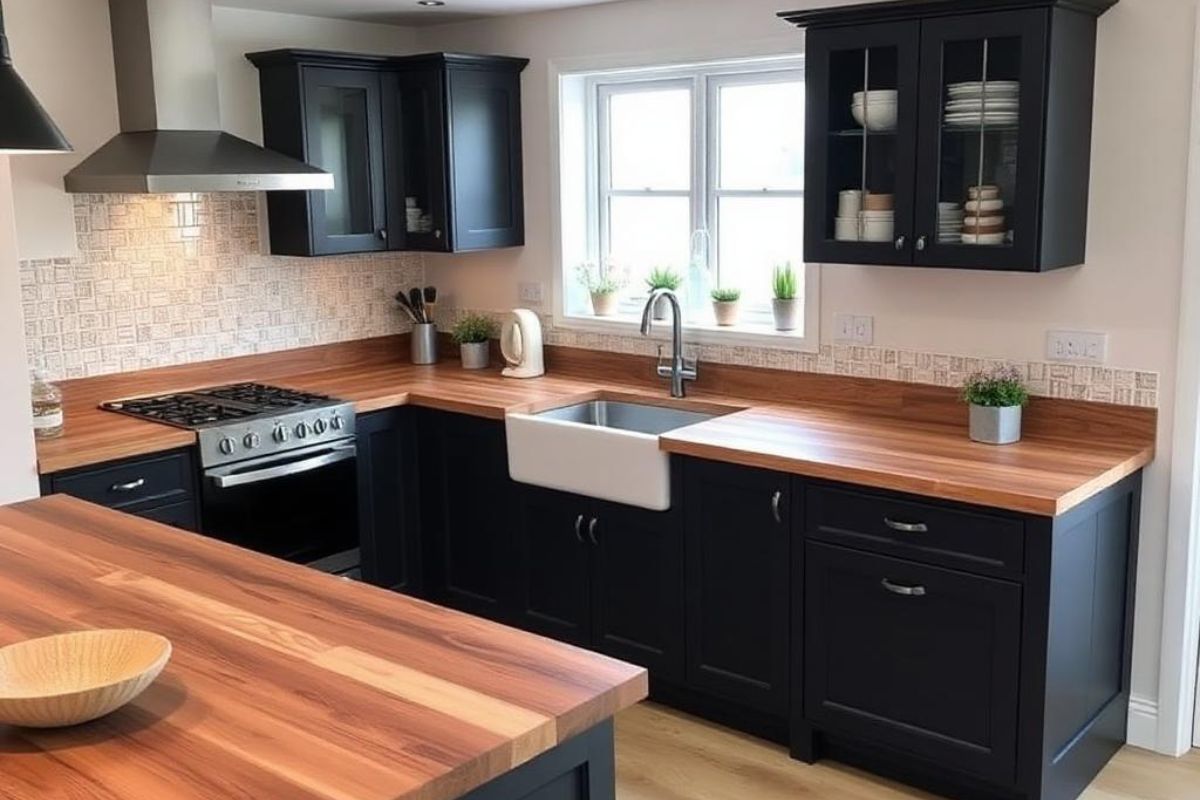
Timber kitchen benchtops provide natural beauty with options like oak, walnut, and bamboo, adding warmth and sophistication to any kitchen. These benchtops are durable and eco-friendly, and easily complement various design styles, offering you a unique and sustainable choice. Though they need regular care, their charm and resilience make them a worthy investment. Maintaining and caring for timber enhances its longevity, and there's much more to explore about their practicality and appeal.
- Timber benchtops offer a natural charm, enhancing the aesthetic appeal of any kitchen.
- A variety of wood species provides unique textures and tones for personalized style.
- Timber pairs well with other materials like stainless steel, adding versatility.
- Regular maintenance like sealing and spill management ensures lasting beauty.
- Eco-friendly choice when responsibly sourced, adding sustainability to kitchens.
Types of Timber for Kitchen Benchtops
When choosing timber for kitchen benchtops, you'll find a variety of options that each bring their own unique charm and functionality to your space. Oak is a popular choice, offering durability and a classic aesthetic that suits many kitchen styles. If you prefer a richer hue, consider walnut, which adds warmth and sophistication. For a more exotic look, try bamboo; it's sustainable and boasts a distinctive grain pattern. Maple's light color and smooth finish provide a clean, modern feel. Don't overlook cherry; it darkens beautifully over time, enhancing its allure. Each timber type presents different grains, shades, and textures, allowing you to tailor your benchtop to your kitchen’s design. Choose wisely to complement both your style and practical needs.
Advantages of Timber Benchtops
Selecting the perfect timber for your kitchen benchtop not only adds aesthetic value but also comes with several practical benefits. Timber benchtops are incredibly durable, handling daily wear and tear with ease. They’re naturally resilient, often lasting decades with proper care. Plus, timber is more forgiving than stone, reducing the risk of breaking delicate dishes. You’ll also love how timber remains warm to the touch, particularly appealing during colder months.
Maintenance is straightforward, too. Regular oiling keeps the surface looking pristine and prevents any moisture damage. Timber is eco-friendly, offering a sustainable choice when sourced responsibly. Furthermore, it’s easy to repair—simply sand and refinish to remove scratches or stains, giving your benchtop a fresh look without the need for replacement.
Aesthetic Versatility of Timber
Although timber's practicality is undeniable, its aesthetic versatility truly sets it apart in kitchen design. You can choose from a variety of wood species, each offering unique textures and tones, like the rich warmth of walnut or the light elegance of oak. Whether your style is rustic, modern, or somewhere in between, timber adapts effortlessly, providing a natural charm that complements any theme.
Consider the finish—you've got options like a sleek, polished look or a more rugged, matte surface. Timber allows you to blend seamlessly with other materials, such as stainless steel or stone, enhancing the overall aesthetic of your kitchen. With timber, you're not just adding a benchtop, but a statement piece that evolves with your design preferences.
Durability and Maintenance Considerations
While timber's aesthetic appeal is undeniable, understanding its durability and maintenance is equally important. Timber kitchen benchtops are strong, but they require some care to maintain their beauty. Regular sealing is a must to protect against moisture and stains. Spills should be wiped up promptly to prevent damage, and using cutting boards can help avoid scratches. Oiling the surface periodically keeps the wood nourished and looking its best.
If you're worried about wear, know that minor scratches and dents can often be sanded out, making timber a resilient choice. Keep your benchtop away from direct heat sources to avoid warping. With a little effort, your timber benchtop will remain a stunning and functional centerpiece in your kitchen for years to come.
.jpg)
Installation and Customization Options
Are you ready to transform your kitchen with a timber benchtop? First, consider the installation process. You can hire a professional for a seamless fit, ensuring your benchtop is level and secure. If you're a DIY enthusiast, many suppliers offer detailed guides and pre-cut options to simplify the task.
Customization is where you can truly make your benchtop unique. Choose from various timber species, each offering distinct colors and grain patterns. Consider edge profiles, from sleek square edges to more ornate bullnose styles. You can also opt for integrated features like cutting boards or inset sinks. Finish your benchtop with oils or varnishes that enhance the wood’s natural beauty while providing protection. With these options, your kitchen will radiate warmth and individuality.
Cost Considerations and Budgeting
When planning your dream kitchen, understanding the cost of timber benchtops is essential. Timber offers natural beauty, but prices can vary widely based on wood type, size, and finish. You'll find options like oak, walnut, and cherry, each carrying its own price tag. Consider installation costs too, as they can add considerably to your budget.
To stay on track financially, set a clear budget before shopping. Research and compare prices from multiple suppliers to ascertain you're getting the best deal. Don't forget to factor in potential maintenance costs over time, as timber requires regular sealing and care to maintain its allure. By being informed and prepared, you'll make smart decisions that won't break the bank and still achieve your dream kitchen aesthetic.

Tips for Caring for Your Timber Benchtop
Caring for your timber benchtop is essential to preserving its natural beauty and longevity. Start by wiping spills immediately to prevent stains. Use a soft cloth and mild soap for regular cleaning. Avoid harsh chemicals; they can damage the wood's finish. Protect your benchtop from heat by using trivets for hot pots and pans. To prevent scratches, always use cutting boards.
Regularly apply a timber oil or sealer to maintain the wood's luster and durability. Sand and reapply the finish when it starts looking dull or worn. Be mindful of humidity levels; excessive moisture can cause warping. Finally, be gentle—avoid dragging heavy items across the surface. With these simple tips, your timber benchtop will remain a stunning focal point in your kitchen.
Conclusion
Choosing timber for your kitchen benchtop enhances natural beauty and offers versatile aesthetic options. You'll appreciate the unique character each type of timber brings, while enjoying the durability they provide. With proper maintenance, your benchtop will last for years, and installation can be customized to fit your style and budget. Remember, regular care, such as cleaning and sealing, is key to preserving its charm. Embrace the warmth and elegance timber adds to your kitchen space.


.svg)
.png)
.jpg)