What Are the Signs of a Dirty Air Filter?

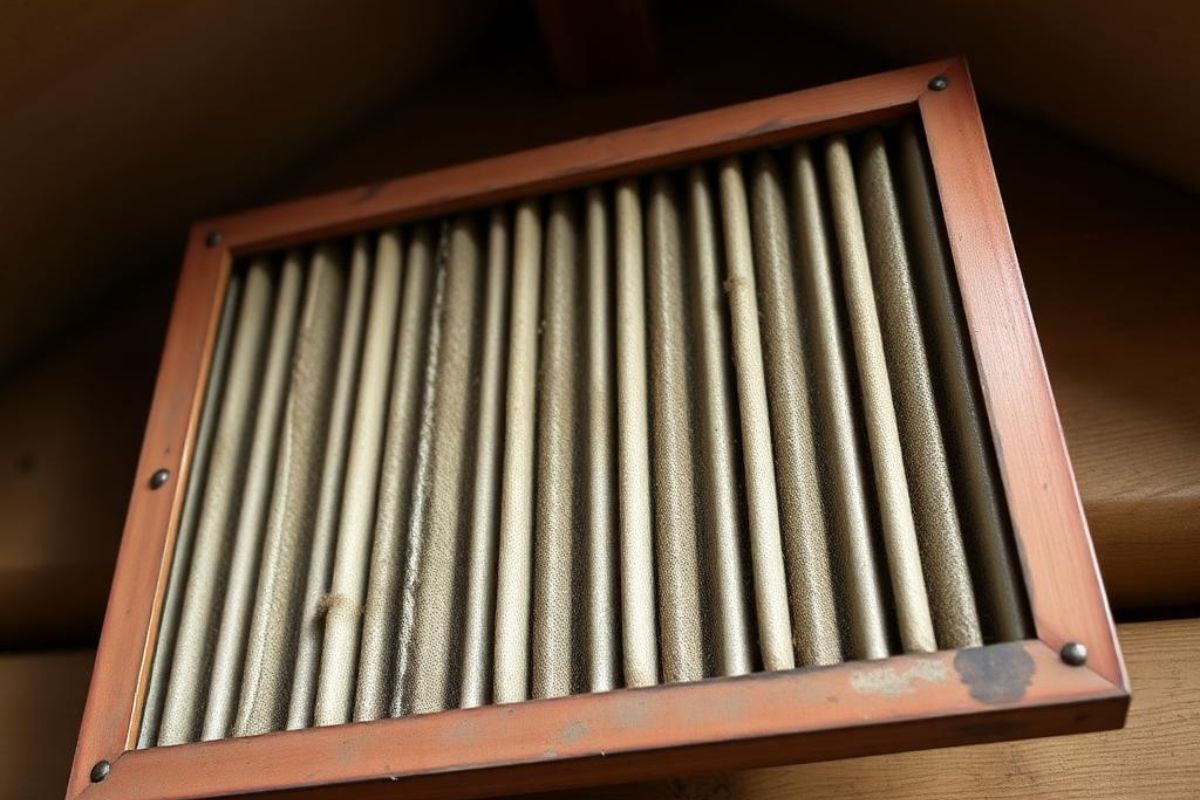
A dirty air filter affects the performance of HVAC systems and indoor air quality. Common signs of a dirty air filter include reduced airflow, unusual odors, and increased dust around the home. Recognizing these signs early helps maintain system efficiency.
People often notice their heating or cooling is less effective or that bills are higher than usual. Filters clogged with dirt or debris restrict airflow, causing strain on the system and uneven temperatures.
Air filters also impact allergies and respiratory health. When clogged, they fail to trap particles properly, leading to dust and allergens circulating indoors. Identifying these symptoms signals the need for a filter change.
Common Signs of a Dirty Air Filter
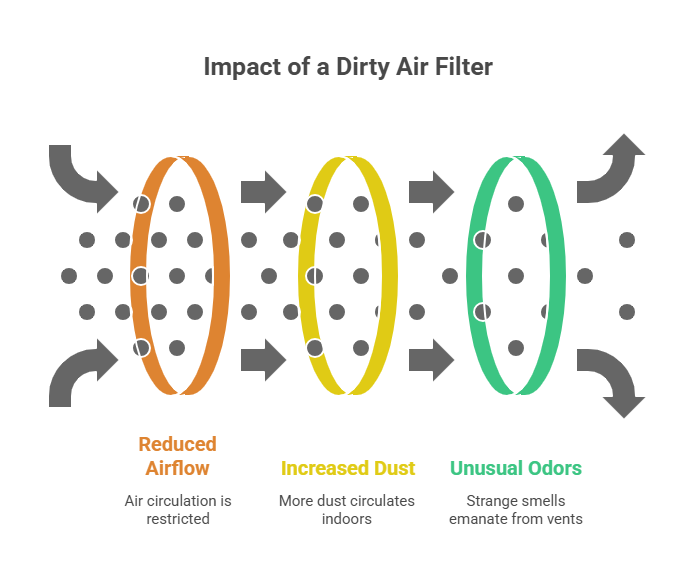
A dirty air filter impacts indoor air quality and HVAC system efficiency. It can cause noticeable changes in airflow, dust accumulation, and unusual smells from vents.
Reduced Airflow
When the air filter becomes clogged with dirt and debris, it restricts the amount of air passing through the HVAC system. This leads to weaker air circulation and uneven temperature distribution in the home. Residents may notice that some rooms feel hotter or colder than usual.
Reduced airflow forces the HVAC unit to work harder, potentially increasing energy usage. In Murfreesboro, where HVAC services are common, technicians often check filters first when addressing airflow issues.
Increased Dust Around the Home
A dirty air filter cannot capture dust effectively, allowing more particles to circulate inside. This results in more dust settling on furniture, floors, and electronics. Homeowners in Murfreesboro may find themselves dusting more frequently without seeing real improvement.
Excess dust can also contribute to allergy symptoms or respiratory irritation. Regular replacement of air filters is a key maintenance step recommended by HVAC services in Murfreesboro to manage indoor air quality.
Unusual Odors from Vents
If the air filter is dirty, mold, mildew, or trapped debris can cause strange smells to emanate from the vents into your home. The odors may be musty, stale, or smoky depending on what has collected on the filter.
Persistent bad smells indicate the air filter needs immediate attention. HVAC professionals in Murfreesboro often advise replacing or cleaning filters as part of routine maintenance to prevent odor problems.
Impact on HVAC System Performance
A dirty air filter restricts airflow, causing the HVAC system to work harder. This affects both the efficiency of heating and cooling and the overall system operation, leading to increased wear and higher energy use.
Decreased Cooling and Heating Efficiency
When the air filter is clogged, airflow drops significantly. This limits the HVAC system’s ability to properly distribute conditioned air. As a result, rooms may feel warmer in summer or cooler in winter than the thermostat setting.
Reduced airflow forces the system’s blower motor to work harder, increasing energy consumption. In Murfreesboro, HVAC contractors often find that dirty filters cause bills to rise due to this inefficiency. Regular filter changes help maintain steady temperatures and lower energy costs.
Frequent System Cycling
A dirty air filter can cause the HVAC unit to turn on and off more often than normal. This frequent cycling occurs because the system struggles to reach the desired temperature efficiently.
This stress can shorten the lifespan of key components like the compressor or blower motor. Murfreesboro HVAC contractors note that frequent cycling often signals airflow problems tied to filter cleanliness. Timely filter maintenance reduces system strain and prevents premature repairs.
.jpg)
Health and Safety Considerations
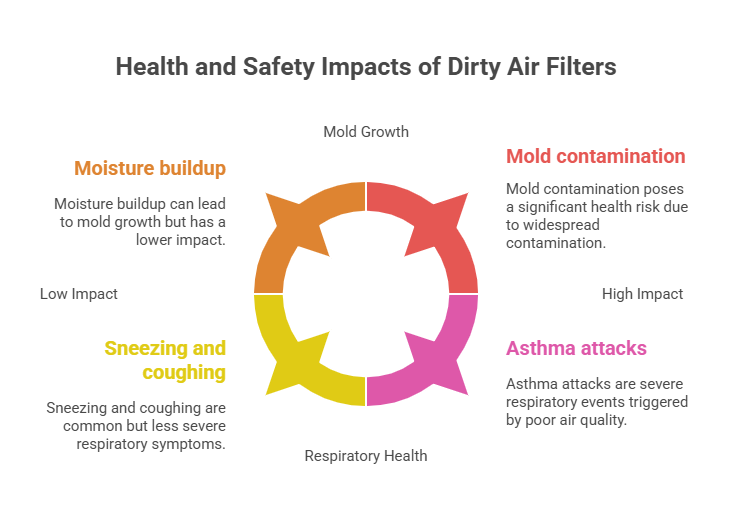
A dirty air filter can negatively impact indoor air quality, leading to specific health risks. These issues mainly affect respiratory health and can create conditions conducive to mold growth.
Worsening Allergies and Respiratory Issues
When air filters become clogged with dust, pollen, and other particles, they fail to trap these irritants effectively. This allows allergens to circulate freely in the air, increasing symptoms such as sneezing, coughing, and nasal congestion.
People with asthma or other respiratory conditions are particularly vulnerable. Poor filtration can cause more frequent attacks or worsen chronic symptoms.
Regular HVAC services in Murfreesboro recommend changing filters every 1–3 months to maintain clean indoor air and reduce airborne allergens. Ignoring filter replacement can result in higher exposure to pollutants that aggravate respiratory health.
Potential for Mold Growth
A dirty air filter can also trap moisture along with dust, creating a breeding ground for mold spores. Mold in HVAC systems can spread through the air ducts, contaminating the entire home's air supply.
Mold exposure can cause headaches, irritation of the eyes and throat, and respiratory distress in sensitive individuals.
HVAC professionals in Murfreesboro often inspect systems for signs of moisture buildup and mold when servicing air filters. Preventing mold involves regular filter replacement and ensuring ducts remain dry to avoid health hazards linked to fungal growth.
How to Check and Replace Your Air Filter
Regularly checking and replacing an air filter helps maintain air quality and system efficiency. Identifying dirt buildup early can prevent strain on the HVAC system and improve airflow.
Visual Inspection Techniques
To check an air filter, first power off the HVAC system. Locate the filter, usually behind a vent or inside the air handler unit. Remove it carefully to avoid stirring up dust.
Hold the filter up to a light source. If light barely passes through, or if there is visible dust, debris, or discoloration, the filter likely needs replacement. Also, check for tears or damage that reduce effectiveness.
For optimal performance in Murfreesboro’s climate, inspect air filters every 1 to 3 months, especially during heavy usage seasons like summer or winter.
Replacement Best Practices
Select the correct filter size and type, matching the manufacturer’s specifications or existing filter dimensions. Using a filter with an appropriate MERV rating balances filtration and airflow.
Install the filter following the arrows printed on its frame, which indicate airflow direction. Improper installation can reduce efficiency or damage the system.
When in doubt or for complex HVAC setups, a Murfreesboro HVAC contractor can provide professional replacement and maintenance. They ensure filters meet local environmental needs and system requirements.


.svg)
.png)
.jpg)