
What Tiny House Owners Should Know When Selling


The tiny house movement has gone beyond being a niche lifestyle trend and is now recognized as a housing alternative. The combined factors of rising costs of living, the desire for minimalism, and the trend toward sustainable living have made tiny homes appealing to homeowners all over the country. There is a whole spectrum of possibilities with these small spaces, from off-grid cabins to luxury micro-homes, they have the qualities of creativity, flexibility, and a thoughtful approach to modern life.
However, owners of tiny homes realize that the process of selling their homes is different when they try to sell a tiny home. Tiny houses occupy a unique space that is not quite an RV, and not quite a standard residential property, thus the selling journey has its own set of considerations. It is vital to know these differences if you want to attract the right buyers and have a smooth and successful sale.
Maybe your tiny home is on wheels, on a foundation, or is a part of a larger piece of land; either way, here is what you need to know before putting it up for sale.
The First Step: Understanding Your Home’s Category
Tiny home owners must first figure out the classification of their house before selling. The classification has the greatest influence on money, customer demand, and the legal formalities of the transaction. For owners dealing with divorce and selling house decisions, understanding whether a tiny home is classified as personal property, real estate, or part of a land sale can make the process less stressful and help both parties navigate the transaction more smoothly. Usually, tiny homes are classified as one of the three: a mobile tiny home on wheels (THOW), a stationary tiny home built on a foundation, or a tiny home that is sold together with a piece of land.
Generally, THOWs are considered as recreational vehicles, especially when they have an RV certification. Hence, they are sold and purchased in a manner similar to that of travel trailers, with titles and registration being the most important factors. Meanwhile, a tiny home with a foundation may resemble traditional real estate more, however, a local zoning authority's restriction may determine its marketing and selling methods.
The sale of a tiny home with land is usually the simplest because it follows the processes of a more conventional type of real estate. Nevertheless, zoning, building codes, and permitted uses still have a significant say in the matter.
Knowing what category your home falls under will help you figure out the price, the marketing plan, and the type of buyer that will be most attracted.
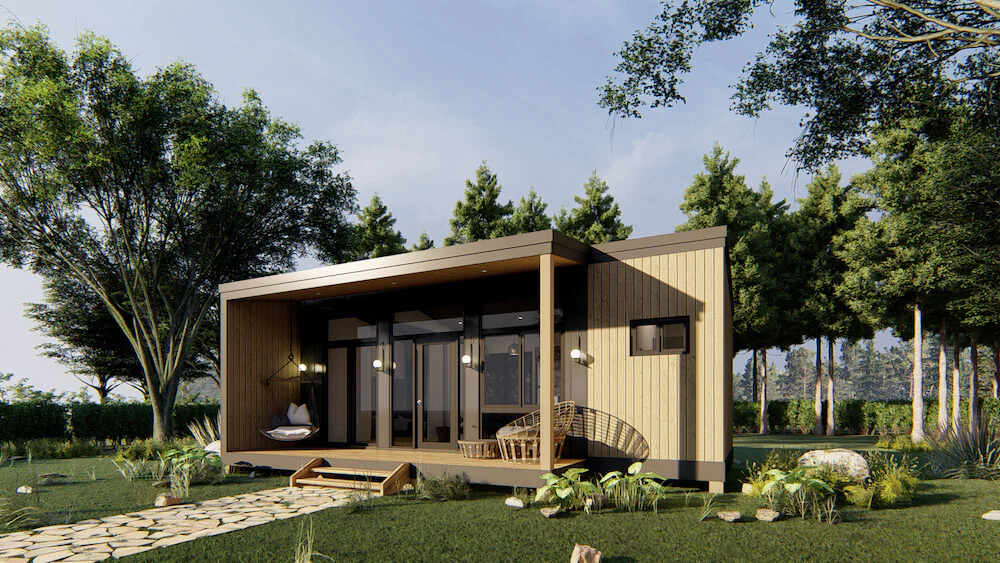
Navigating Zoning Laws and Location Rules
Zoning laws are one of the biggest problems that sellers of tiny houses have to deal with. Since tiny homes do not always fit standard local housing ordinances, their allowed use can be different a lot from one city or county to another.
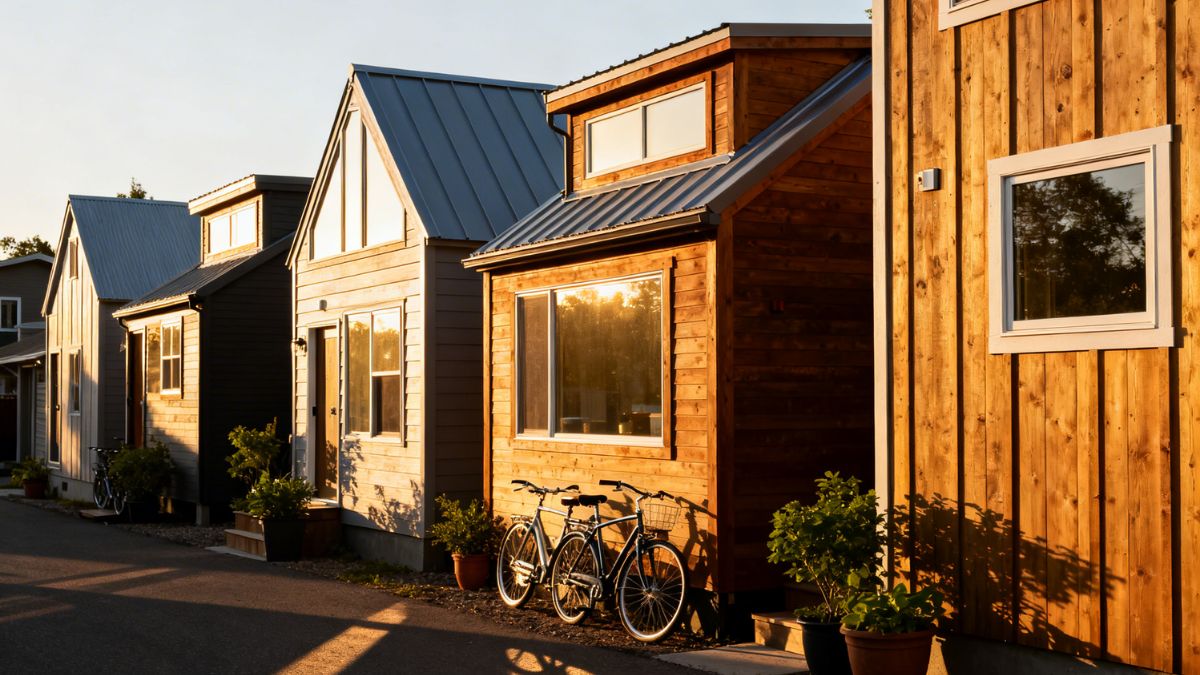
There are places that support the tiny house lifestyle and let owners put them in residential zones, while some still limit the placement to RV parks, specially made tiny home communities, or unincorporated land. Sellers need to know the legal aspects of their tiny home's location and also to make it understandable to the buyers.
People who want to buy a house will be asking where they can live legally in the home, if it is possible to connect utilities, and what kind of restrictions there will be in the long run. In case your tiny home is on rented land or in a community that has its own rules, these things will be very important for the sale.
The adaptability of the location or even the restrictions can determine the level of buyer interest and the price. Being open and honest is a way of stopping communication problems and giving the buyer a feeling of trust to proceed with the transaction.
Unique Pricing Considerations
Tiny homes require a pricing strategy that is different from that of traditional homes. Their worth is affected by factors such as size, quality of work, whether they are mobile or not, the type of foundation, age, and if they are personalized. Some tiny homes may go down in value like cars, but especially those that are built to high standards or are attached to the land may retain their value just like normal houses.
Price is one of the biggest difficulties that people selling tiny houses face. People who live in tiny houses choose to do so for reasons like affordability, sustainability, or freedom, and they usually compare your tiny home with such things as RVS, DIY builds, or small cabins.
That said, tiny homes that are created by well-known designers or have luxury materials can raise prices to a certain extent. Buyers who recognize the quality of the work may be attracted by energy-efficient systems, solar setups, composting toilets, or custom cabinetry.
This is where leveraging professional guidance becomes valuable. Connecting with experienced buyers, such as High Noon Home Buyers, can help you navigate pricing benchmarks and market expectations, especially when selling a nontraditional property. Professionals familiar with tiny homes can offer insight into demand, location trends, and the most effective ways to position your home during the sale.
Their experience often makes the process smoother and provides sellers with clarity when determining a fair, competitive price.
Highlighting Lifestyle and Functionality
It's more of selling a lifestyle than just a structure when selling a tiny home. Those living in the tiny lifestyle are often attracted to it because of the freedom that comes with it, the financial simplicity, and the intentional design. Therefore, your presentation should revolve not only around the features but also the daily experience that the home provides.
Explain to the buyers how each and every inch of the space has been used with great thought. Buyers desire to understand how sleeping areas operate, how storage is hidden in corners in a clever way, and how multi-purpose areas help them continue with their daily life. Even a few hundred square feet of a well-staged tiny home can give a feeling of spaciousness.
Preparing Your Tiny Home for Market
Though small homes generally call for less maintenance than large ones, selling them still requires some work. A thorough cleaning lets the buyers see through the quality of the work and the design. Since the space is very limited, any small amount of clutter can be very overwhelming, therefore, simplifying the décor and reducing the personal items give a great effect.
In case your tiny house is on a trailer, make sure the frame, axles, and the parts for towing are in good working condition. Buyers may want to tow the home to a new place, and therefore, showing that the home is ready for mobility increases the value.
What about tiny homes that are fixed? Well, the appeal from the outside is as important as the style of the interior. Making walkways accessible, having nice and clean landscaping, or doing some small outdoor work, gives the feeling of the home being more welcoming.
At the end of the day, the purpose is to have a neat, light, and spacious place, the buyers will be able to picture themselves living in a tiny house.
Considering Land as Part of the Sale
In case your small house is already on a piece of land that you own, the sale of the two together can significantly increase the number of potential buyers. A lot of tiny house lovers find it hard to get a piece of land that allows a tiny home. Selling just the home and the lot eliminates the biggest problem for buyers and makes their move to this lifestyle easy.
On the other hand, selling a home with land means that the property will be subject to traditional real estate regulations. This usually involves appraisals, inspections, and other standard procedures. Even so, tiny homes might pose difficulties in the appraisal process as they are different from typical comparables.
Spending time to figure out how tiny homes are assessed in your locality will keep you from being surprised at the last minute.
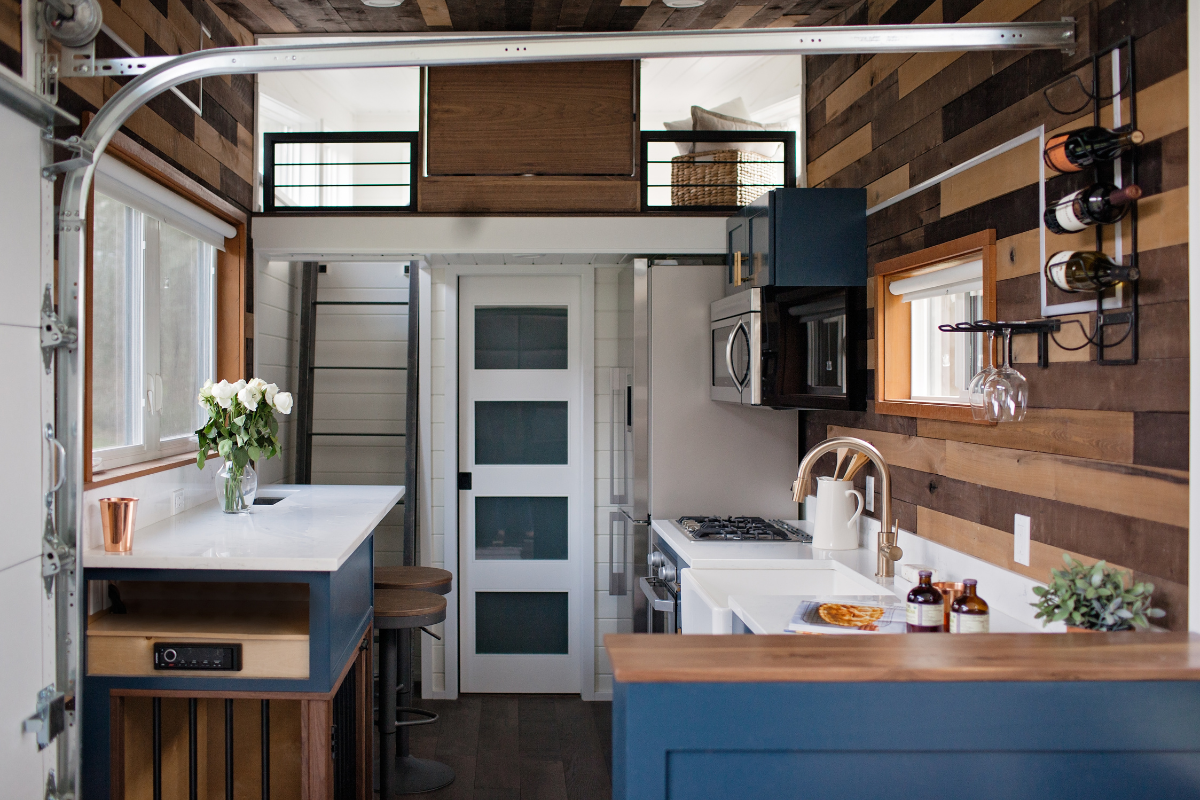
The Importance of Transparency and Education
As small houses do not conform to the regular buying and selling patterns, openness is even more necessary. Those who intend to buy need to know without a shadow of a doubt the quality of the insulation and the water systems. They also need to be informed about sewage disposal, electric hookups, and the maintenance of the house over time.
Giving buyers the confidence to purchase is the provision of documents such as building plans, appliance manuals, or certificates. Teaching them the lifestyle aspects of tiny living, i.e. zoning and utility considerations, will earn their trust and make your listing look better.
An intending purchaser who is adequately briefed is also more likely to make a decision quickly and be free of unnecessary doubts.
Final Thoughts
Selling a tiny home is certainly one-of-a-kind that gets you involved with the mixture of standard real estate notions, the mobility of living, and the simplicity of minimalist-style. Owners of tiny houses that know their home's classification, location regulations, pricing intricacies, and buyer motivations will be able to handle the selling process in a more relaxed way and with greater confidence.
Tiny homes are appealing only to a certain type of buyer, i.e., one who seeks intentionality, efficiency, and a new view of the word "home". By making your place look wonderful, being transparent, and correctly positioning your home, you will be able to locate the buyer who values your tiny home as much as you have.
It is possible to sell a tiny house just as satisfying as living in one if you employ the right direction and make a proper plan.


.svg)
.jpg)
.jpg)
.jpg)