
What to Know About Hand-Scraped Bamboo Options

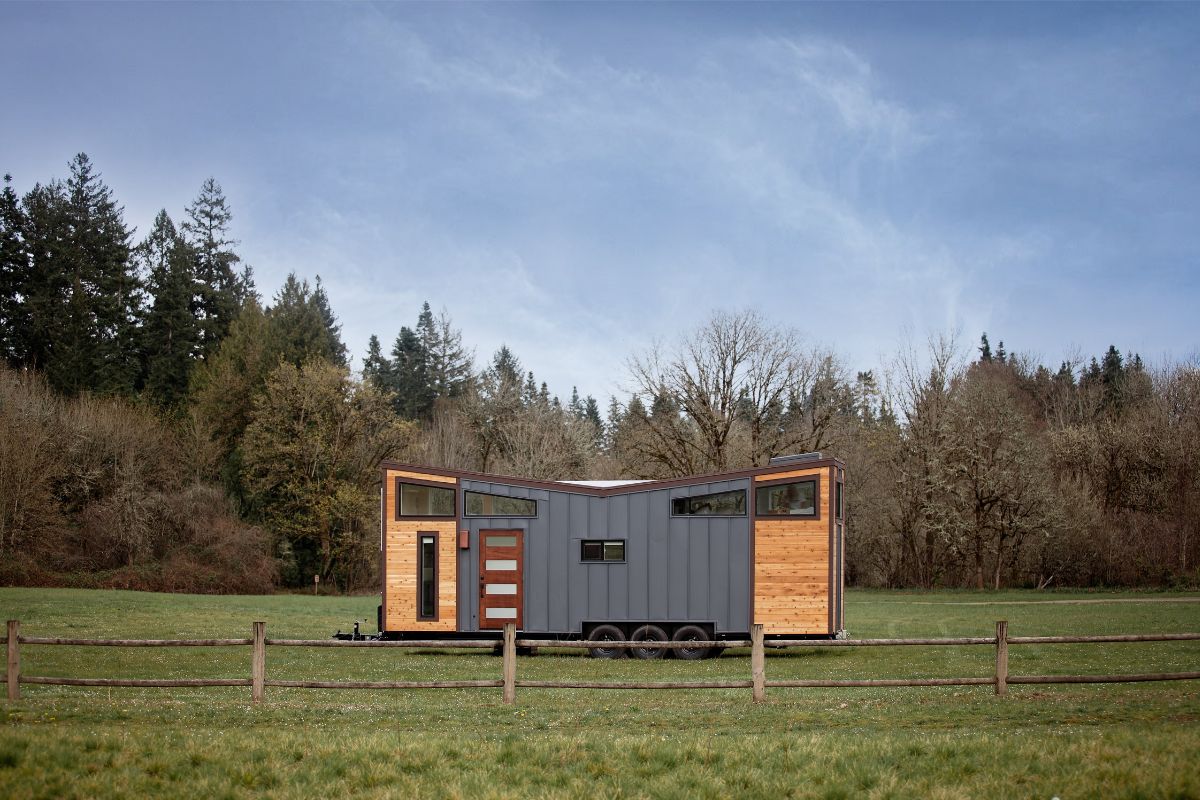
Tiny house floors take a beating. Every step hits the same few square feet over and over. You drop something, it lands on that same spot. Drag a chair across the room, and you're wearing down a path that gets used ten times more than in a regular house.
Bamboo has become popular in small spaces for good reasons. It grows back fast, handles moisture decently, and the textured versions hide scuffs better than smooth floors. Hand-scraped bamboo brings something extra to the table that's worth your time to examine.
The Texture Makes a Real Difference
Workers create these irregular grooves using scraping tools during manufacturing. They're removing that factory-perfect smoothness you see on typical bamboo floors. Each board ends up with its own pattern of shallow dips and ridges.
This technique goes way back to when people had to prep wood by hand. Now factories recreate that look with modern equipment. The result feels old-world without looking beat up. Handscraped bamboo flooring really shows off this character in lighter natural tones and medium shades.
Those grooves usually run one to three millimeters deep. Lighter colors let you see the texture clearly. Dark stains can hide some of it visually. But your feet will still feel the difference.

Why It Holds Up in Tight Quarters
Bamboo scores high on the Janka test. That's the standard for measuring how well floors resist dents. Strand-woven types hit above 3,000 on the scale. That beats most oak and maple you'll find.
High traffic in narrow hallways needs tough flooring. The scraped surface does more than look rustic. Those little valleys and bumps camouflage the scratches that happen daily. Smooth floors broadcast every single mark. Textured ones work the damage into the existing pattern.
How well it handles moisture depends on what type you buy. Engineered bamboo with quality sealer deals with humidity changes better. Small structures see bigger swings in temperature and moisture than full-size homes. That's why the moisture rating matters more than you might think.
Three Ways to Install It
You've got three main options for getting this flooring down. Each one works differently depending on what's underneath.
- Nail-down installation: You hammer nails through the planks into a wood subfloor. Works great for solid bamboo but you need that wood base.
- Glue-down method: You spread adhesive and press planks onto concrete. Gives you rock-solid stability once it cures.
- Floating floors: Planks click together and sit on foam padding. No nails or glue required.
Most tiny house folks go with floating. You can take it up and move it if needed. It forgives small bumps in the subfloor too. The downside is it might feel slightly hollow compared to glued or nailed floors.
Let your bamboo sit in the space for two or three days before installing. The planks need to match the humidity where they'll live. Skip this step and you'll see gaps or buckling later. Leave at least a quarter inch gap around all the walls. Bamboo moves with the seasons. Without room to expand, you'll get buckling or separation. Baseboards hide the gap while letting the floor breathe.
Keeping It Clean Takes Some Effort
Sweep or vacuum regularly to get grit out of those grooves. Tiny particles work like sandpaper under your feet. They'll wear through the finish coat over time. Use a soft broom or a vacuum made for hard floors.
Mop once a week with bamboo-specific cleaner. Don't soak it. The textured surface traps water in those little valleys. Your mop should be almost dry to the touch. The National Wood Flooring Association has found that regular care adds years to bamboo floors compared to neglected ones.
You can refinish hand-scraped bamboo after heavy use. Sanding has to go deep enough to get below the grooves though. That means you're limited to maybe two or three refinishes total. After that, the planks get too thin.
A few simple habits cut down on maintenance:
- Stick felt pads under chair and table legs
- Put mats at doors to catch dirt before it spreads
- Wipe up spills right away
- Don't use harsh cleaners that strip the finish
Colors Run from Light to Dark
Natural bamboo comes in pale yellow or light tan. That brightness makes small rooms feel bigger. It goes with almost any decor style. The hand-scraped texture pops most on these lighter shades. Shadows in the grooves create visible dimension.
Carbonized bamboo gets heat-treated to turn it brown. The color goes all the way through, not just on top. This happens before they scrape it. Darker floors work well in certain designs. They do show every little scratch more clearly though.
Stained versions give you the most choices. You can get anything from washed-out gray to nearly black. Good stain soaks in deep so wear doesn't expose lighter bamboo underneath. Getting even color on textured surfaces costs more. The manufacturer needs better technique and materials.
Most hand-scraped bamboo ships with satin finish. Matte hides wear best and isn't slippery. Glossy looks nice at first but shows every footprint and needs constant cleaning.
What You'll Actually Pay
Materials run four to eight dollars per square foot for the bamboo itself. Labor adds another two to five dollars depending on where you live. That puts it somewhere between cheap laminate and expensive hardwoods. Your install method and location affect the final bill.
Engineered costs more than solid bamboo. It handles humidity swings better though. That extra cost pays off in tiny houses where climate control gets tricky. Solid works fine if your space stays consistent year-round.
Good bamboo lasts 25 to 30 years with proper care. That's worth paying more upfront compared to vinyl or laminate. Those cheaper options might last 10 to 15 years before replacement. The USDA Forest Service research shows bamboo grows back way faster than regular hardwood trees.
Don't forget to budget for extras. Underlayment, transition strips, and baseboards add 15 to 20 percent on top of floor costs. Factor everything in from the start so you're not caught short halfway through.
Deciding If It Fits Your Build
Hand-scraped bamboo works when you want durability and good looks together. The texture naturally hides everyday wear. It feels solid underfoot compared to vinyl or laminate. Both DIY builders and pros can handle the install without major headaches.
Look at your local climate first. Check what type of subfloor you have. Be honest about how much time you'll spend on maintenance. Bamboo needs care like real wood because it is real wood. Give it that care and it'll last decades in a space where every choice counts.


.svg)
.jpg)
.jpg)
.jpg)