
What’s the Best Way to Deal with Low Water Pressure?

.jpg)
Low water pressure in homes is one of those frustrating problems that sneaks up on you. One week your shower feels normal, and the next, it’s a slow trickle. Whether you live in an older house or a high-rise condo, low pressure can come from a mix of city infrastructure, plumbing age, and mineral buildup.
Before replacing fixtures or calling for help, it’s worth understanding what actually causes water pressure to drop and how to fix it safely and effectively.
1. Common Causes of Low Water Pressure
Low water pressure isn’t always a sign of major damage, but it’s almost always a symptom of something specific. Here are the most common culprits homeowners run into.
Mineral Buildup and Hard Water
If your water supply is considered moderately hard, meaning it contains a fair amount of calcium and magnesium, these minerals collect inside your pipes, showerheads, and faucet aerators, narrowing the flow of water overtime.
Typical signs include:
- Weak water flow in multiple fixtures
- White crust or scale on faucets and showerheads
- Gradually declining pressure over several months
A simple cleaning with vinegar or a descaling product can help restore flow. For more permanent relief, many homeowners install water softeners to reduce mineral accumulation long-term. If you're unsure of how to address the buildup, Premier Plumbing offers expert advice and services to help maintain your plumbing system efficiently.
Aging or Corroded Pipes
Older neighborhoods like East York, The Junction, and Leslieville often have galvanized steel or copper plumbing dating back decades. As these pipes corrode internally, they restrict water flow and sometimes leak, both of which reduce overall pressure.
If you live in a home built before the 1980s and notice consistently low water pressure, corroded pipes could be the issue. A licensed plumber can test the system, check for corrosion, and recommend partial or full pipe replacement if needed.
Faulty Fixtures and Clogged Aerators
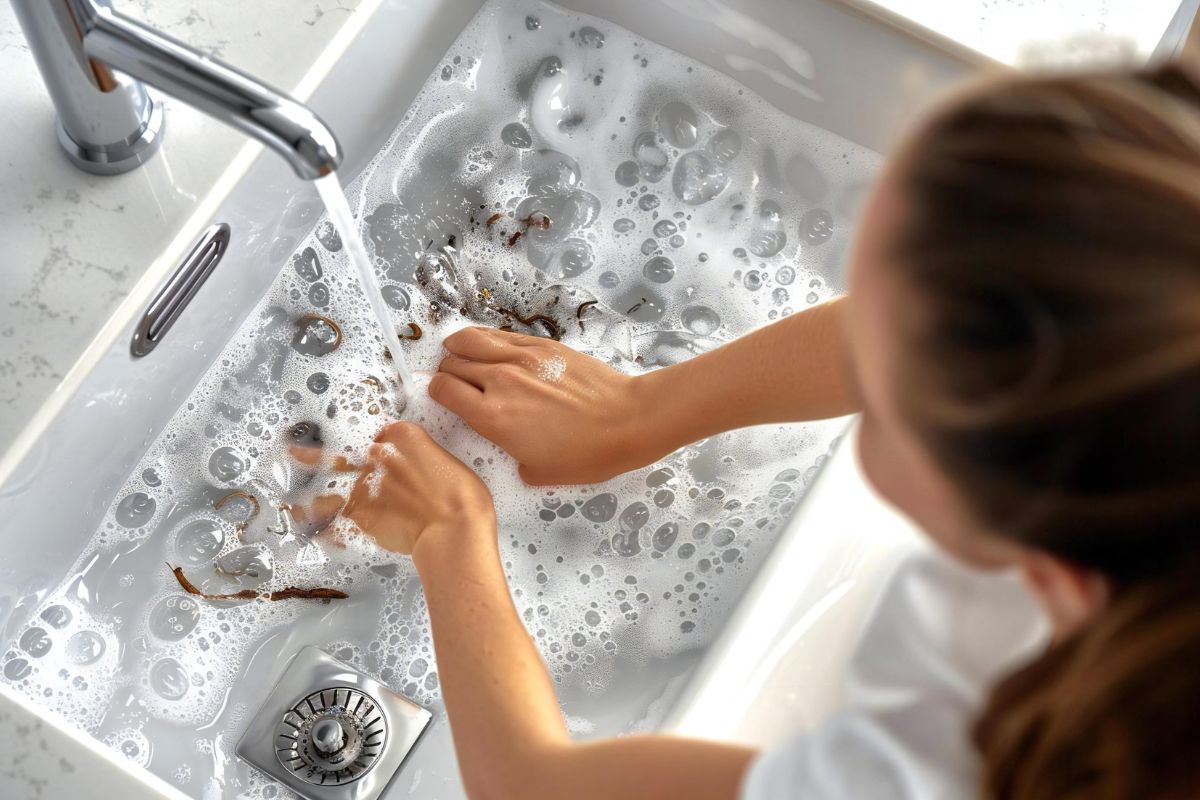
Sometimes, low water pressure has nothing to do with the plumbing system itself, it’s just the fixtures. Aerators, the small screens at the tips of faucets, can become clogged with debris or sediment from the city’s water lines.
Quick fix: Unscrew the aerator, rinse it under water, and soak it in vinegar to dissolve mineral deposits. Do the same for showerheads every few months.
If the issue is isolated to one fixture, cleaning or replacing it is usually enough.
Hidden Leaks or Partially Closed Valves
A hidden leak can reduce your home’s water pressure even if no visible water damage is present. Leaks in walls, basements, or underground pipes divert water flow and waste hundreds of liters every day.
Similarly, a partially closed main shutoff valve or water meter valve can restrict flow. Always check that these valves are fully open before assuming there’s a larger issue.
If you suspect a leak, a plumber can perform pressure testing and leak detection using specialized tools to pinpoint the problem.
City Water Supply or Ongoing Maintenance
Sometimes, the issue isn’t inside your home at all. Water occasionally performs maintenance, hydrant testing, or main line flushing that temporarily lowers pressure citywide or in specific neighborhoods.
To confirm, you can:
- Check your state's water’s official service alerts page
- Ask nearby neighbors if they’re noticing similar issues
- Wait a few hours to see if pressure returns to normal
If the problem persists beyond 24 hours, it’s likely a household plumbing issue rather than a municipal one.
2. How to Troubleshoot Low Water Pressure
Before scheduling a repair, you can try a few simple checks to identify where the problem might be.
Step 1: Test multiple fixtures.
See if the pressure issue affects one tap, one area, or the entire home.
Step 2: Clean aerators and showerheads.
Soak them in vinegar for 30–60 minutes to dissolve mineral buildup.
Step 3: Inspect valves near the water meter.
Make sure they’re fully open as sometimes they’re left partially shut after maintenance or renovations.
Step 4: Check with neighbors.
If others nearby are having the same issue, it’s likely a temporary city supply issue.
Step 5: If all else fails, call a licensed plumber.
Persistent low water pressure usually points to a deeper issue such as corroded pipes, scaling inside lines, or an undetected leak.
3. Professional Solutions for Low Water Pressure
When simple cleaning or troubleshooting doesn’t solve the issue, a professional plumber can perform diagnostic testing to identify the real cause.
Common repair and upgrade options include:
- Pressure testing: To measure water pressure at multiple points in your system.
- Pipe replacement: Removing corroded or undersized pipes to restore full flow.
- Leak detection and repair: Fixing small leaks that drain pressure and waste water.
- Installing a booster pump: For homes with naturally low municipal pressure.
- Adjusting the pressure-reducing valve: Some homes have PRVs that can be safely adjusted to restore proper levels.
Plumbers familiar with local water systems can quickly tell whether your issue is isolated to your property or related to the city’s infrastructure.
4. Preventing Future Pressure Problems
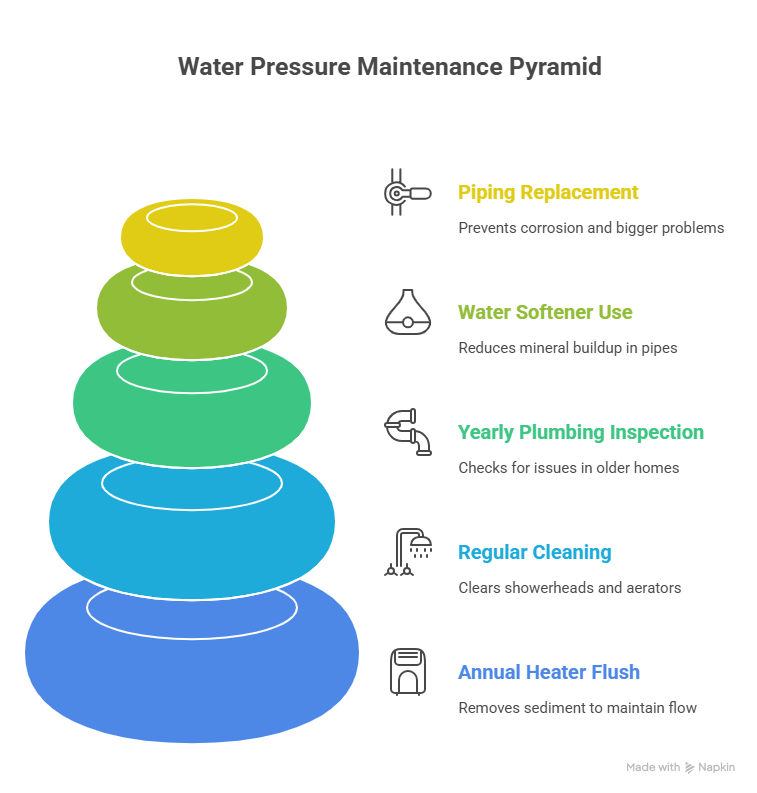
Maintaining strong, steady water pressure comes down to prevention. Here are a few small habits that go a long way:
- Flush your water heater annually to remove sediment that limits flow.
- Clean showerheads and aerators every few months.
- Inspect your plumbing yearly, especially if your home is older than 30 years.
- Use a water softener to slow mineral buildup inside pipes.
- Replace outdated piping before corrosion causes bigger issues.
A bit of regular maintenance saves you from bigger headaches down the line, especially during the winter months when pipes are under extra strain.
Final Thoughts
Low water pressure is usually easy to diagnose once you understand the common causes. Whether it’s mineral buildup, corrosion, or a small leak, early action keeps your plumbing system efficient and your water flow consistent.
If simple cleaning and checks don’t fix the problem, it’s best to bring in a licensed local plumber who knows the water systems and housing stock. With the right diagnosis, restoring normal water pressure can be a quick and lasting fix.


.svg)

.jpg)
.jpg)
.jpg)