
Tiny Home, Tight Schedule: Why Booking Local Movers Ahead Pays Off

.jpg)
There’s something special about tiny home living. It’s minimal, intentional, and often mobile. But just because the space is small doesn’t mean moving it is simple. In fact, relocating a tiny house can feel more like a puzzle than a typical move. Between road regulations, limited parking access, and the need for careful transport, the process calls for more than just muscle—it calls for serious planning.
And one of the smartest moves you can make? Booking your local movers well in advance. Whether you’re prepping to tow your home to a new lot or simply shifting from a friend’s backyard to a more permanent foundation, timing can make or break your move. If you’re local, it’s worth your time to schedule your move in Bethesda today especially if you're working with a tight deadline or zoning approval window.
Let’s unpack why scheduling early isn’t just convenient—it’s essential.
Tiny Homes Come With Big Logistics
If you’ve lived in a tiny house for even a month, you already know that downsizing doesn’t mean downsimplifying. Moving a small, portable home comes with its own maze of logistics—many of which aren’t part of your standard apartment or house move.
Here’s what’s often in play:
- Permits and zoning rules:Some cities or neighborhoods require transport permits, site approvals, or inspections before your tiny home can move or settle.
- Route planning: You can’t always take your tiny home down the shortest path—low bridges, narrow roads, and weight-restricted zones may limit your options.
- Foundation setup or disconnection: If your tiny home is attached to utilities, those need to be professionally unhooked and potentially reinstalled.
- Specialized trailers or towing vehicles: Unlike a typical move that uses a box truck, tiny home relocation may require a flatbed trailer, hydraulic lift, or escort vehicle.
When you’re up against all that, working with experienced local tiny house movers who understand your needs—and have room on their schedule—isn’t optional. It’s critical.
Why Local Movers Are Your Best Bet
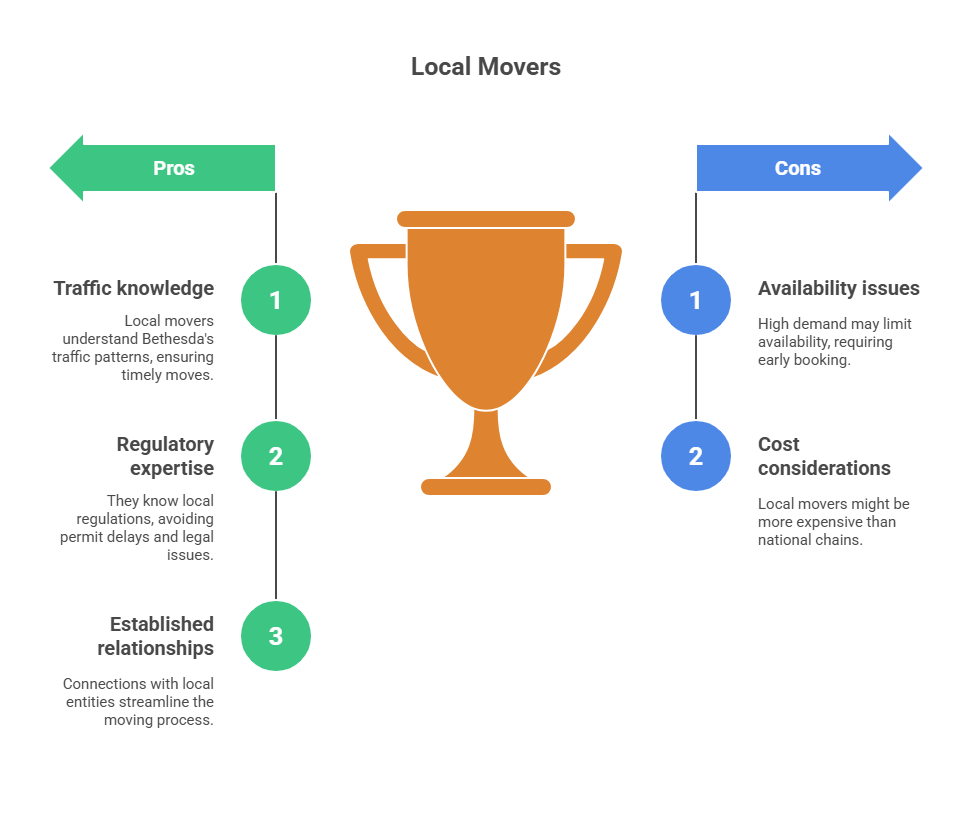
Moving a tiny home across or out of a city like Bethesda isn’t the kind of thing you hand off to just anyone with a truck. You want movers who know the area, know the laws, and know what red flags to look for in terms of route and site access.
Local movers bring a few major advantages:
- Familiarity with local traffic patterns: Bethesda has its own rhythms, from rush hours to construction zones. Local movers are more likely to time your move wisely.
- Knowledge of county and city regulations: A mover from the area already knows what documents you need and how to avoid common permit holdups.
- Established relationships: Whether it’s with zoning boards or local utility teams, experienced movers may already have connections that smooth out your timeline.
But those advantages only work in your favor if you’ve booked them before someone else does. Which brings us to the real kicker...
Movers Book Up Fast—Especially the Good Ones
You wouldn’t believe how many tiny home owners wait until the last minute and then panic when no one’s available. Good local movers—especially those with the right equipment and know-how—get booked quickly, especially during peak moving months like May through August.
Here’s how booking early benefits you:
- More scheduling flexibility: You can pick a date that works best for your timeline—not one squeezed into someone else’s.
- Time for walkthroughs or site assessments: Many movers will want to inspect your tiny home setup before moving it. If you book early, there's time for that.
- Room for surprises: If something comes up—like a permit delay or weather issue—having a buffer makes a big difference.
- Peace of mind: You don’t want to spend your last week in one location frantically making calls. Booking ahead lets you focus on packing, saying goodbyes, or prepping your next space.
Seasonal Considerations (That Might Surprise You)
Here’s a detail many people don’t think about: weather and seasons can play a huge role in tiny house moves.
- Spring and early summer: These are busy times for movers, and also when people tend to relocate to beat the fall rush. Book months ahead.
- Winter: Cold weather means icy roads, slower travel, and shorter daylight hours. If you're planning a winter move, local movers may have limited availability or prefer midday schedules only.
- Holidays: Around major holidays, crews are often smaller and less flexible. Don’t assume Thanksgiving week or just after New Year’s is wide open.
Knowing this, smart tiny homeowners aim to lock in their move date well in advance of the season—not during it.

Site Prep and Time Coordination
Another reason early booking is a win? You’ll have time to coordinate with other people or services that may be involved.
- Land prep: If your new site needs leveling, gravel, or plumbing, those teams can be scheduled around your moving day.
- Inspections or approvals: Some towns require pre-move approval before you can place your tiny home. You’ll want that paperwork ready before your movers arrive.
- Utility handoffs: If you're disconnecting from solar or grid-based power, local electricians or utility crews may need a heads-up too.
Trying to juggle all these moving parts without a locked-in move date is a headache you can easily avoid.
The Hidden Costs of Last-Minute Moves
Moving a tiny home is already a major financial event, but rushing it? That’ll cost you more—sometimes way more.
Last-minute bookings can come with:
- Expedited service fees
- Limited truck or equipment availability (which means you may be paying for premium options unnecessarily)
- Delays that lead to storage or hotel costs
- Double-handling (if movers have to temporarily relocate your house because the new site isn’t ready)
Early scheduling helps protect your budget. It also gives you time to compare quotes, ask questions, and build trust with your moving team.
Questions to Ask When You Book
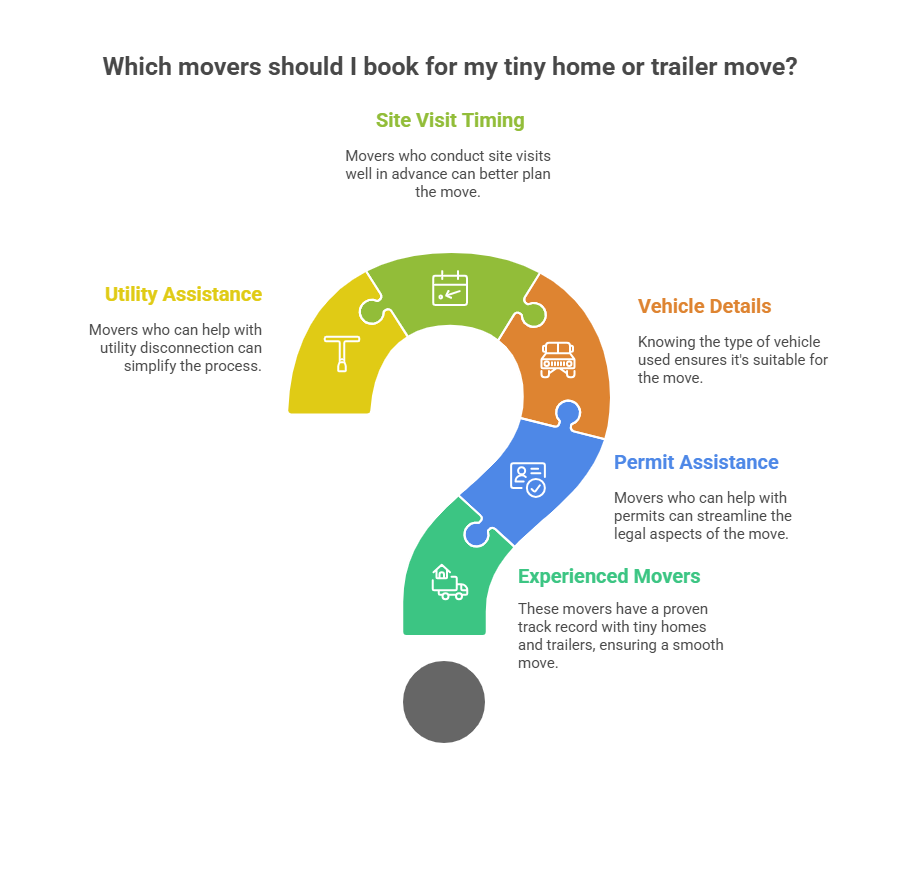
So let’s say you’re ready to get ahead of the game and book your movers now. Great! But don’t just ask for their availability—ask the right questions:
- Do you have experience moving tiny homes or trailers?
- Can you help with permits or recommend someone who can?
- What kind of trailer or towing vehicle do you use?
- How far in advance do you do site visits?
- Can you help with utility disconnection or recommend partners?
Movers who’ve handled tiny homes before will be ready with answers. If someone seems confused or vague, that’s your cue to keep looking.
Make a Checklist—and Start It Now
Planning a tiny home move is like organizing a multi-step project, not a quick errand. Here’s a simplified checklist to keep you on track:
- Choose your target move window
- Contact at least 2–3 local movers for quotes
- Confirm permit needs and lead times
- Schedule any site work (gravel, leveling, etc.)
- Coordinate disconnection of utilities
- Book your mover (ideally 4–6 weeks in advance)
- Prepare your home for transport (secure furniture, remove awnings, etc.)
- Do a pre-move inspection with your mover
- Have emergency contacts and backup plans in place
Starting early means you can work through this list without rushing—or skipping steps.
Wrapping It Up
Moving a tiny home isn’t about cramming a big move into a small space. It’s a project with its own rhythm, demands, and (yes) a bit of excitement. But the key to pulling it off without stress? Timing. And that starts with booking the right local movers well ahead of your target date.
Whether you're heading to a new lot across town or downsizing for the first time, a well-planned move starts with a calendar, a checklist, and a moving team that knows your area—and your lifestyle.
Trust us: your future self will thank you for being the person who booked early, avoided the panic, and rolled into their new space with everything (and everyone) intact.


.svg)

.jpg)
.jpg)
.jpg)