Winter Home Safety Checklist Every Homeowner Should Follow

.jpg)
You can’t treat winter prep as optional when cold weather can trigger fires, CO exposure, frozen pipes, and preventable outages. Start with a quick checklist: confirm proper venting on heating equipment, test smoke and carbon monoxide alarms, and keep clear access to furnaces and water heaters. Then seal drafts, protect plumbing, and stage supplies for snow and power loss. The next steps determine whether your home stays safe when conditions worsen.
- Service furnaces/boilers and confirm all fuel-burning appliances vent properly; sweep chimneys and clear fireplace or stove exhaust paths.
- Test smoke and carbon monoxide alarms monthly, replace batteries yearly, and keep a charged, accessible fire extinguisher near heat sources.
- Protect pipes by sealing air leaks, insulating exposed runs, opening interior doors for heat circulation, and draining exterior hose bibbs and hoses.
- Weatherproof doors and windows with sweeps, weather stripping, and paintable caulk to reduce drafts, heat loss, and ice-prone condensation.
- Prepare for storms by staging snow tools, applying deicer early, clearing exterior vents/meter panels, and stocking outage supplies, flashlights, and charged power banks.
Quick Winter Home Safety Checklist: Top Priorities
Before temperatures drop and storms arrive, walk through your home and address the highest-risk winter hazards first: confirm your heating system and any fuel-burning appliances vent properly and have fresh filters, test and replace batteries in smoke and carbon monoxide alarms, and check that chimneys and flues are clean and unobstructed. Next, verify fire extinguisher charge, access, and inspection date, and keep exits clear of stored items.
Confirm your roof insulation meets code-recommended R-values and that attic vents remain open to reduce ice-dam risk. Inspect stairs, handrails, and walkways for loose treads and trip hazards, and stage sand or deicer where you’ll use it. Check outdoor lighting for functioning bulbs, weather-rated fixtures, and aimed coverage at entries and steps. Secure loose gutters, downspouts, and exterior hardware.
Prevent Frozen Pipes and Water Damage
Once you’ve addressed high-risk heating, fire, and exterior hazards, focus on plumbing, since frozen lines can rupture and cause extensive water damage within minutes of thawing. Identify vulnerable runs in unconditioned areas (crawlspaces, garages, exterior walls) and seal air leaks at penetrations with approved materials. Install pipe insulation rated for the pipe diameter, and protect fittings and valves without compressing insulation.
When temperatures drop below freezing, keep interior doors open to circulate warm air to plumbing. Set faucets to a slow drip on exposed lines if local guidance recommends it, and know your main shutoff’s location. Drain and isolate exterior hose bibbs, and store hoses. Maintain clearance around the water heater, and inspect the temperature/pressure relief discharge line for proper termination.
Check Heating, Fireplace, and CO Safety
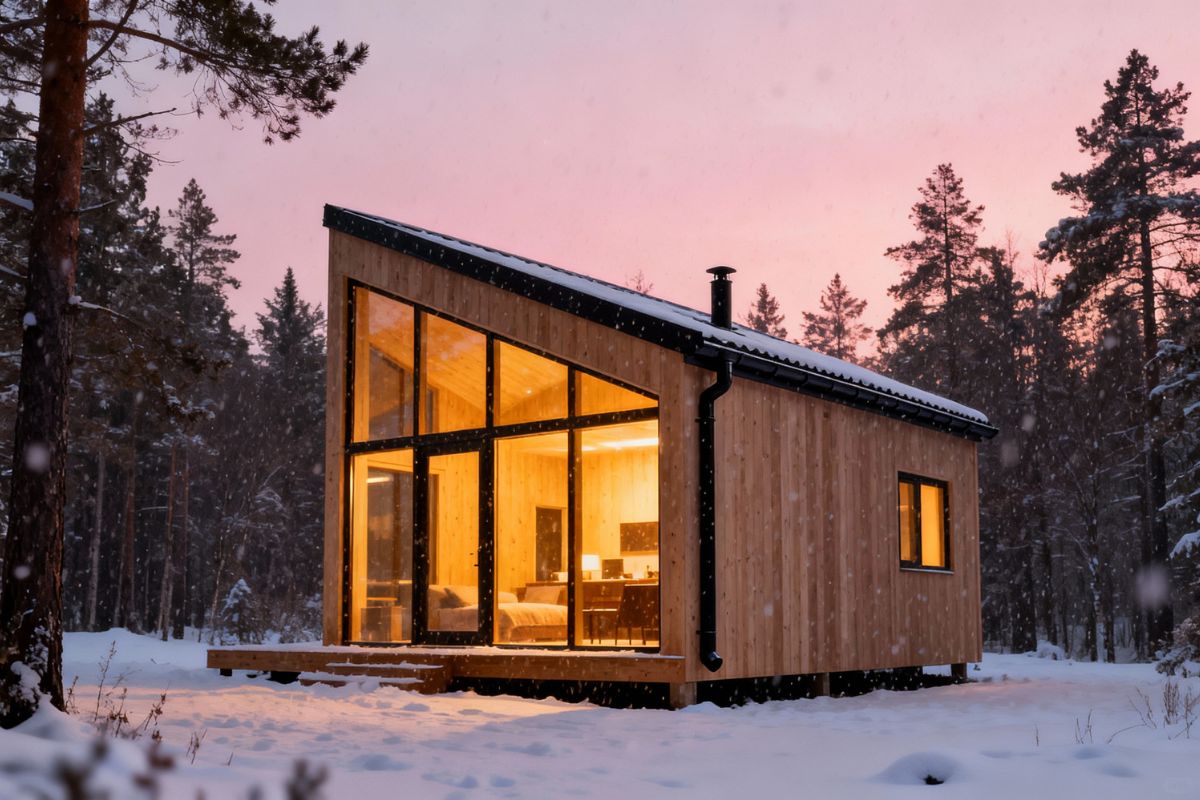
As outdoor temperatures drop and run times increase, you should verify that your heating system, fireplace, and CO protections operate safely and to manufacturer specifications. Schedule a licensed technician to inspect and service your furnace or boiler, confirm proper combustion, and replace filters per the manual. Check that supply and return registers are unobstructed and that ventilation systems exhaust outdoors. If you use a fireplace or wood stove, have the chimney inspected and swept, confirm the damper moves freely, and use a screen and noncombustible hearth protection.
Test smoke alarms and carbon monoxide alarms monthly, replace batteries annually, and confirm alarms meet current listing standards (UL 217/2034). Don’t run unvented heaters indoors. Keep clearances around heating equipment.
Seal Doors and Windows to Stop Drafts
Safe, efficient heating depends on a tight building envelope, so seal doors and windows to cut drafts and reduce furnace run time. Start by inspecting frames, thresholds, and sash locks; you’re looking for visible gaps, daylight, or loose hardware that compromises the air barrier. Use draft proofing techniques such as installing door sweeps, adjusting strike plates for tighter latching, and sealing trim joints with paintable acrylic-latex caulk.
Choose weather stripping options based on location and wear: adhesive-backed foam for low-traffic jambs, V-strip for window channels, and durable EPDM or silicone compression seals for exterior doors. Confirm surfaces are clean and dry so adhesives bond, then press firmly and trim neatly. After sealing, recheck operation so doors close without binding and windows lock securely.
Prep for Snow, Ice, and Power Outages
Even if your home seals out drafts, winter storms can still create hazardous travel conditions, ice loads, and extended outages, so you need a clear plan and the right supplies before the forecast turns. Stage snow removal tools where you can reach them, and fuel approved equipment only outdoors. Apply deicer early on steps and walkways, and clear vents and meter panels to prevent CO risks and service blockage.
For outages, stock emergency supplies: water, shelf-stable food, flashlights, batteries, a NOAA weather radio, first-aid items, and prescribed medications. Charge power banks, set your refrigerator to the coldest safe setting, and keep freezer doors closed. If you use a generator, follow manufacturer instructions, run it 20 feet from openings, and use GFCI-protected cords.
Conclusion
Follow this winter home safety checklist and you’ll cut common seasonal risks. Confirm your heating system vents correctly, and test smoke and carbon monoxide alarms to meet basic safety standards. Insulate exposed pipes, seal air leaks, and know where your main shutoff is to reduce freeze damage.
Weatherstrip doors and windows to limit drafts and maintain indoor temperatures. Prepare for snow, ice, and outages by clearing access points and stocking essentials. Stay ready all season.


.svg)
.jpg)