6 Attic Warning Signs to Watch for During the Spring Thaw

Winter can cause quiet damage. Snow builds up, temperatures rise and fall, and ice forms in places you can’t easily see. By the time spring arrives and things begin to melt, your attic may already show signs of months of wear.
That’s why it’s important to look for early warning signs of attic problems. Catching them early gives you time to address small issues before they turn into costly repairs. It’s also a good time to review your home insurance policy and make sure you have the right coverage in place before new problems appear.
Why Attics Are Prone to Winter Damage
Attics are one of the most neglected spaces in a home, yet they're often the first to show signs of winter damage. Rising temperatures cause snow and ice to melt rapidly, and that water has to go somewhere. When it finds a gap in your roof or builds up behind a blocked soffit vent, your attic is right in its path.
Here are six warning signs every homeowner should look for once the spring thaw sets in.
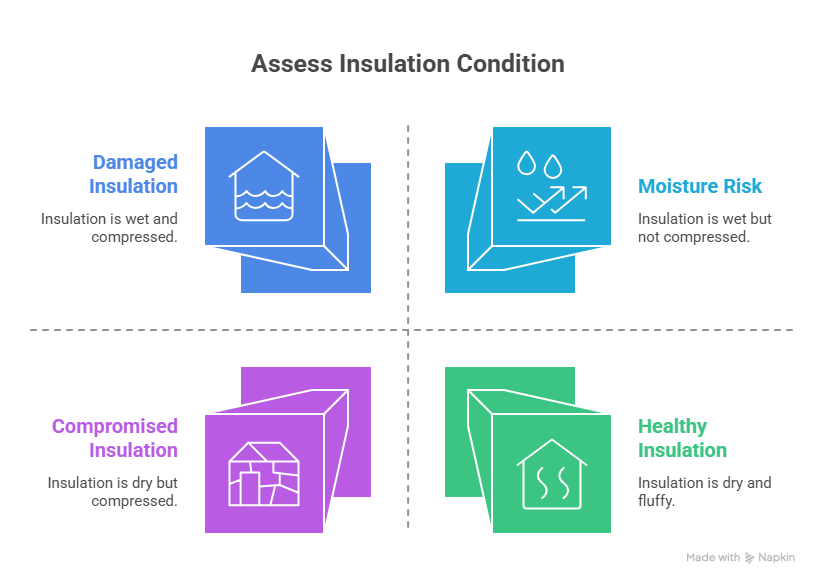
1. Damp or Compressed Insulation
Healthy insulation should be dry, uniform, and fluffy. After a harsh winter, wet or compressed patches signal trouble. Moisture-saturated insulation loses its thermal effectiveness, and mold can begin to grow if wet materials are not dry within 24 to 48 hours of exposure to water, according to the U.S. Environmental Protection Agency.
Run your hand (with a glove) across the surface of your insulation. Wet, matted, or discolored areas — especially near the eaves or directly under the roof deck — are signs of a roof leak or ice-dam damage. Don't compress it further by walking on it. Instead, note the location and call a professional.
What to do:
- Mark the affected area so a contractor can easily locate it.
- Avoid further disturbing or compressing the insulation.
- Schedule a roof or attic inspection to identify the source of the moisture.
2. Water Stains on Rafters or Roof Decking
Dark streaks, discoloration, or soft spots along your rafters or roof decking point to slow, sustained seepage — the kind that builds over an entire winter season. Unlike a sudden storm leak, this type of damage develops gradually as melting snow works its way under shingles or through deteriorating flashing.
Use a screwdriver to check suspicious wood very gently. Soft or spongy areas suggest the wood has absorbed significant moisture and may be in the early stages of rot. If you find damp or soft wood, you may need to replace the affected sections of the rafters or decking.
It's also important to identify and repair the source of the leak, which could involve sealing gaps in the flashing or replacing damaged shingles. Left alone, rotting rafters can compromise the structural integrity of the entire roof.
What to do:
- Document the location of any stains or soft wood.
- Inspect the roof exterior for damaged shingles or flashing.
- Arrange for a roofing professional to assess and repair the leak.
3. Mold Growth or Musty Odors
A musty smell when you open the attic hatch is a warning you shouldn't ignore. Mold thrives in dark, poorly ventilated spaces. An attic that's accumulated moisture all winter fits that description perfectly.
Visible mold often starts as small black or gray dots on wood surfaces near the ridge or along the roof deck. Poor attic ventilation is a common underlying cause: warm, moist air from inside the home rises, gets trapped, and condenses on cold surfaces.
Early detection is critical, as exposure can lead to a variety of health issues. The U.S. Centers for Disease Control and Prevention notes that for some, mold exposure may cause a stuffy nose, sore throat, or skin rash. For those with asthma or mold allergies, the reactions can be more severe.
What to do:
- Identify and fix the moisture source or the cause of poor ventilation.
- Improve airflow with proper attic ventilation and exhaust fans.
- Clean small patches with a mild detergent solution.
- Call a professional if mold growth is widespread.
4. Sagging or Warped Structural Wood
.png)
Heavy snow loads place significant stress on roof framing. After months of bearing that weight — combined with freeze-thaw cycles that cause wood to expand and contract — some structural members may show visible warping, bowing, or sagging.
Any sagging in the roof deck, bent ridge board, or bowed rafters warrants a professional inspection before you do anything else. Structural issues in the attic can escalate quickly and affect the safety of the entire home. A roofing contractor or structural engineer can assess the extent of the damage and recommend a repair plan.
Don't delay on this one. What looks minor from below can represent a serious compromise at the framing level.
What to do:
- Avoid storing items or adding weight in the attic.
- Contact a roofing contractor or structural engineer for inspection.
- Address structural repairs before anything else.
5. Rusted Nails or Metal Connectors
Rust on the nail tips poking through the roof deck, or on metal joist hangers and connectors, signals one thing: excess humidity. When warm interior air leaks into a cold attic, it hits cold surfaces and condenses. Over a full winter, that cycle of condensation produces enough moisture to cause oxidation on metal fasteners throughout the space.
You’ll also want to consider what created those conditions. Inadequate attic ventilation, air leaks around light fixtures or exhaust fans, and insufficient insulation are all common contributors. Correcting those underlying issues is just as important as addressing the visible rust.
What to do:
- Check attic ventilation and ensure vents are not blocked.
- Seal air leaks around fixtures or penetrations in the ceiling.
- Evaluate insulation levels to help reduce condensation.
- Have severely corroded nails or metal connectors inspected and, if needed, replaced by a roofing professional.
6. Signs of Pest Activity

Rodents seek warmth in winter, and attics offer exactly that. By spring, mice, squirrels, or other small animals may have already spent several months nesting in your insulation. The damage they leave behind includes shredded insulation, chewed wiring, and droppings that compromise air quality.
Look for entry points around the roofline, gaps near vents, and holes near the soffit. Nesting materials like shredded paper or fabric tucked into corners are another telltale sign. Damaged wiring in particular poses a fire hazard and should be evaluated by a licensed electrician before the space is used or sealed off again.
What to do:
- If signs of rodent activity are present, address both the infestation and any resulting damage to help prevent repeat issues.
- Remove nesting materials and contaminated insulation using proper safety precautions or a professional service.
- Seal entry points around the roofline, vents, and soffits.
- Have damaged wiring inspected and repaired by a licensed electrician.
- Contact a pest control professional if the issue persists or is widespread.
Take Action Before Small Problems Grow
Spring is the best time to get ahead of any damage winter left behind. A thorough attic walkthrough — or a professional inspection — takes less than an hour and can reveal issues that, if addressed now, cost a fraction of what they would later in the season.
Beyond repairs, make sure your homeowners insurance policy reflects your home’s current condition and value. Water damage, structural issues, and even pest-related losses can all have coverage implications. Reviewing your homeowners insurance policy or getting a homeowners insurance quote can help confirm you have the protection you need heading into warmer months — because the best time to check your coverage is before you need it.


.svg)
.jpg)