
Choosing the Best Outdoor Shade Materials for UV Protection

You already know the sun can be brutal. One afternoon on the patio and suddenly you, your guests, and even your outdoor furniture are begging for mercy. That is why finding the best outdoor shade materials matters so much. Not just for comfort, but for your skin, your budget, and how long your setup actually lasts.
Research shows that smart shade design can cut harmful UV exposure by as much as 75%, which is a big deal for you and your family.
What People Really Mean By Best Outdoor Shade Materials
If you are typing best outdoor shade materials into Google, you are not looking for theory. You want clear answers. You want to know what to buy for your backyard, patio, pool area, café terrace, or playground.
Most importantly, you want it to work long term. A true shade solution from a trusted company like Shade Systems should withstand the elements and maintain its appearance. There is a wide range of options available on the market today.
So let us start with what actually matters as you compare fabrics and structures. No fancy jargon, just real talk you can use when you are standing there trying to decide. Whether it is a mesh sail, a waterproof canopy, or large umbrellas, you need the facts.
The 5 Factors That Decide If A Shade Material Is Worth It
Every outdoor shade project you have seen that failed fast probably ignored at least one of these. Before you pick fabric or frames, walk through this quick checklist in your head. It helps to understand the core attributes of quality fabric.
- UV protection How much UV does the material block. That is your health and comfort on the line, so strong UV protection is non-negotiable.
- Heat and airflow Does it stay cooler under the shade, or does it feel like an oven. Proper air circulation is vital for comfort.
- Rain performance Do you need fully waterproof, water resistant, or do you just care about cooling shade. This depends heavily on your local weather conditions.
- Wind strength Can it take gusts without tearing, sagging, or shaking itself apart. Tensile structures must handle significant loads.
- Longevity and look Will it fade, mold, or shred, or keep its color and shape for years. You want a durable outdoor material that holds color well.
Once you get clear on those, best outdoor shade materials become easier to spot and harder to regret later. Prioritizing these factors ensures you get a high-quality shade product.
Overview Table Of Popular Outdoor Shade Materials
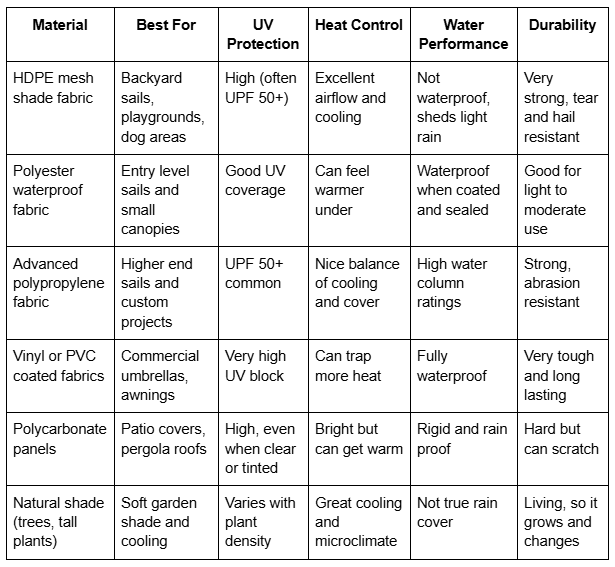
Here is a quick comparison before we break things down in detail.
HDPE Mesh Fabrics The Workhorse Of Shade Sails
High-density polyethylene mesh is what most good shade sails, playground shades, and big park canopies use. There is a reason pros go back to this again and again for serious outdoor shade. This woven fabric is engineered to withstand harsh environments.
Brands like Polyfab USA make HDPE fabrics with long life, wide widths for easier fabrication, and 100 percent recyclability. That makes them a smart fit if you care about both performance and the planet. It is a premier choice for any fabric shade structure.
Why HDPE Mesh Works So Well
HDPE mesh does two key things at once. It acts as an effective shade cloth that blocks sunlight while allowing breezes to pass through. This air circulation keeps the area under the sail cooler than solid plastic or vinyl.
Good HDPE shade fabrics can hit UPF 50 plus ratings and offer strong resistance to tears, hail, and abrasion. The breathable mesh design prevents heat from getting trapped. That makes them great for windy sites, schools, parks, and spots where kids or pets are always around.
Where HDPE Mesh Shines And Where It Does Not
Use HDPE if your main goal is cooling shade, strong UV protection, and a breezy feel under the canopy. Think backyards over patios and pools, play areas, carports, and dog runs. The shade factor is usually very high with these materials.
But you will not get true rain protection. The mesh will shed a drizzle and some light rain, yet water still passes through by design. For many hot climates, that trade off is worth it because solid roofs just get too hot.
.jpg)
Waterproof Fabrics Polyester, Polypropylene, And Beyond
Maybe your climate is wetter. Or you want to keep a dining table dry during summer storms. That is where waterproof fabrics step up, especially pvc-coated polyester and advanced polypropylene based textiles.
A useful real world example is the Maanta shade sail catalog, which compares several fabrics side by side with measured specs on their fabric pages. Their data makes it clear that fabric options can dramatically change breathability, water performance, and lifespan. Choosing the right sun shade fabric is crucial for staying dry.
Entry Level Polyester Waterproof Fabric
A classic starting point is a coated polyester around 160 grams per square meter. With a double PU coating and sealed seams, this kind of fabric offers solid waterproofing. It works well for simple entry level rain covers.
Maanta shows that their 160 gsm polyester offers strong water runoff and a low condensation risk. However, its perceived freshness rating is lower than more breathable options. In practice, that means it keeps you dry but can feel warmer on still days.
Advanced Polypropylene and Acrylic Options
Higher end fabrics like the Purishade polypropylene line take things further. They combine good waterproof ratings with high breathability. You also get excellent uv protection.
Another strong contender is acrylic fabric, often used in awnings and marine applications. Fabric acrylic blends are known for their ability to resist fading. An acrylic fabric acrylic mix often holds color better than standard polyester.
Test data from Maanta shows this fabric offering stronger tensile strength. It also has far better abrasion resistance than many standard acrylic and polyester options. On hot days, that breathability can drop the felt temperature significantly.
Vinyl And PVC Coated Shade Fabrics Tough And Waterproof
For heavy duty commercial shade, like restaurant patios or permanent awnings, vinyl and PVC coated textiles are hard to beat. They are stiff, strong, and shed water very well. These are common in commercial settings where durability is paramount.
You see these used in large café umbrellas, hip canopies over seating, and even car washes. They stand up to daily use, scrubbing, and higher tension loads. This type of structure fabric is designed to last for years.
Pros And Cons Of Vinyl Based Shade
The upside is clear waterproofing, high tensile strength, and great dirt resistance. Most can be wiped clean quickly, which matters a lot in food or high traffic spaces. Maximum adhesion of the coating ensures it does not peel easily.
Also, many commercial vinyls offer flame retardancy, which is often required by code. The fabric finishing process creates a sealed surface. The trade off is heat.
Because air and steam cannot move through the fabric, it can feel warmer under the canopy. This is especially true with darker colors. If you go this route, plan for extra airflow in your design.
Rigid Polycarbonate Panels Bright, Modern, And Protective
If you are after a semi permanent or permanent roof, clear or tinted polycarbonate sheets may fit. They act like a hard shell over a pergola or frame. This is a solid structure material compared to flexible fabrics.
Good panels filter UV but still let in plenty of visible light. The space under stays bright instead of gloomy. Think of covered patios where you can sit out during rain but still feel connected to the sky.
Where Polycarbonate Works Best
Use this style of cover above outdoor dining sets, outdoor kitchens, walkways, or carports. It is ideal where rigid rain protection matters more than airflow. It also pairs well with side curtains or plants for extra shade and privacy.
But know that polycarbonate can scratch and it can trap heat. The final comfort level depends a lot on panel tint. You must plan airflow carefully for hot days.
Natural Shade Plants As Part Of Your Strategy
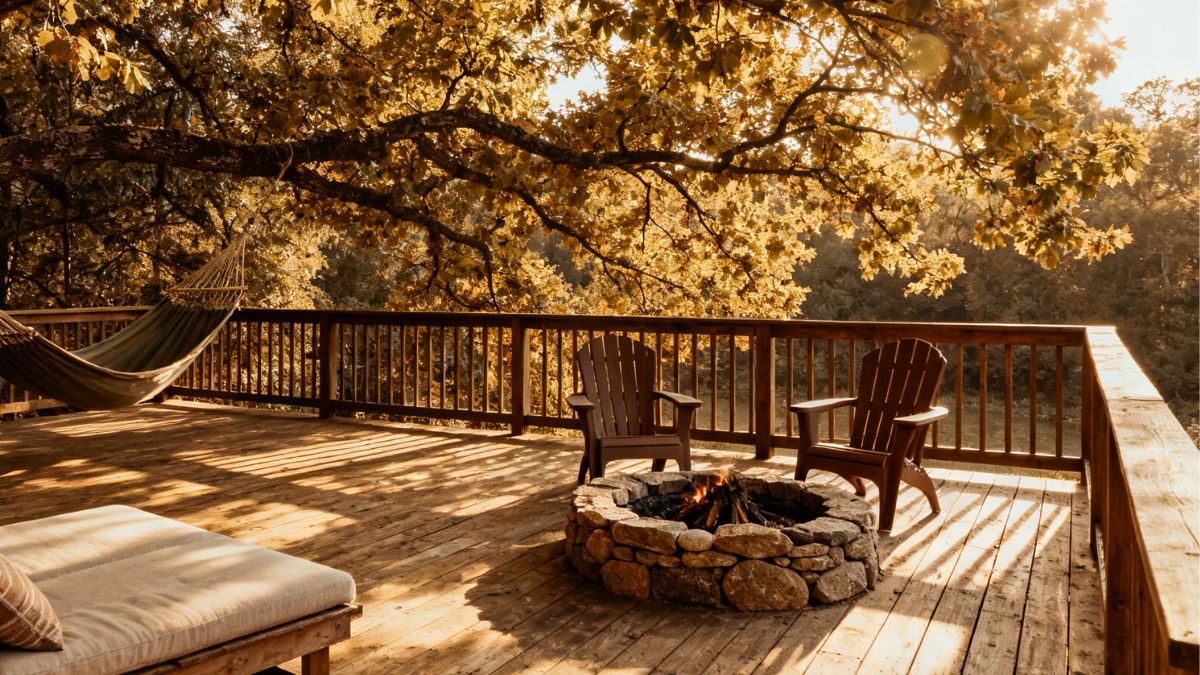
Fabric and hard roofs are not your only tools. Well planned planting can transform harsh yards into cooler, softer spaces with shade exactly where you need it over time. This acts as a living outdoor sunshade.
If you have low light areas that never seem to get full sun, choosing smart outdoor shade plants can give you living cover. This provides more privacy and visual softness around your structures. The combo of plants plus sails or pergolas often feels more inviting than fabric alone.
Why Blending Plants And Fabric Works So Well
Trees and tall shrubs drop the air temperature through evapotranspiration. In simple terms, they sweat water into the air. This cools the space nearby significantly.
Recent fabric research shows that lowering solar absorption at ground level is effective. Pushing surface reflection higher than 80 percent can help reduce heat in cities. Pair that with cooling from plants and you get real relief on scorching days.
How UV Performance Changes With Design
You can buy an excellent fabric and still end up with poor shade if the design is off. That is not just a guess. Built shade research done in parks across the United States found huge variation in UV exposure.
This happened even under shade structures that looked similar from a distance. Angles, gaps, fabric shape, and how the sun tracks through the sky all matter. These factors change how much UV hits the skin under your canopy during real use.
Simple Design Moves That Boost Protection
Here are a few easy ideas that make any shade fabric work better in practice. High-quality shade depends on layout as much as material.
- Lean posts or mounts so the sail catches lower sun angles.
- Overlap two smaller sails instead of one to cover different times of day.
- Use darker fabrics where extra UV block is needed since they absorb more radiation.
- Add side shade elements like vertical panels, curtains, or plants.
All this can cut scattered and reflected UV. A fabric designed for overhead use might need help from the sides. This ensures you get excellent uv protection throughout the day.
Durability, Eco Impact, And Why Fabric Choice Matters
You are probably not interested in buying new shades every couple of summers. Fabric tech has moved forward fast. Newer materials now offer longer life and lower environmental cost than old school tarps.
For example, the Purishade polypropylene fabric mentioned earlier scores better on eco metrics. It has better mechanical strength than many standard acrylic and polyester options. It also keeps its color in strong sun.
It stands up well to mold, abrasion, and tension stress. Mildew resistance is a key feature to look for in damp climates. This durability compared to cheaper fabrics saves money over time.
Sustainability And Recycled Content
Consumer demand is shifting. More of us want shade options that last and are environmentally friendly. Studies show that people are starting to back that concern with their spending choices.
You can see that in lines like Sunbrella Renaissance fabrics. Sunbrella blends up to 50 percent post industrial recycled fibers with new ones. Pair that with recyclable HDPE options from Polyfab USA.
It becomes much easier to design shade that respects both comfort and climate goals. Choosing high-quality fabrics reduces waste. It is a win for your yard and the environment.
Best Outdoor Shade Materials For Common Scenarios
You might be thinking that is all great, but just tell me what to pick for my space. So let us break down a few everyday setups. Here is what usually works best for each.
Small Backyard Patio Or Deck
Goals here usually include good UV protection, comfort in summer, and a pleasant look. Budget is often mid range. You might also want sun protection from low angles.
Top choices include HDPE mesh shade sails for maximum cooling. Advanced waterproof fabrics are great if rain cover matters too. For side protection, you might add a roller shade.
Roller shades are excellent for blocking late afternoon sun. For a cozy feel, combine one sail with tall outdoor shade plants. This creates filtered side shade around the edges.
Pool Areas
Here, you fight intense reflection from the water as well as direct overhead sun. Mold resistance and chlorine resistance also matter. You need a strong sun shade that won't degrade.
Look for strong HDPE mesh with high UPF and tear resistance. You should also verify mold resistance data, similar to Maanta's fabric charts. Open mesh sails above the shallow area are ideal.
This arrangement can make pool days much more pleasant. It prevents trapping steam under the canopy. The right shade factor balances light and protection.
Playgrounds And School Yards
For kids, UV safety and durability matter more than looks. Those structures get climbed, kicked, and tested daily. Safety is the top priority for these fabric shade structures.
The best outdoor shade materials here tend to be commercial grade HDPE fabrics on steel frames. The hardware and footings must be engineered for wind. These pair well with smart layout and overlapping panels.
Studies have shown this can significantly reduce UV in peak sun hours. A proper fabric shade setup protects children's sensitive skin. It offers excellent protection during playtime.
Restaurant And Café Patios
You need something that handles constant use, looks good, and is easy to clean. Weather changes fast, and people stay seated during rain. Commercial installations require robust materials.
Strong vinyl or PVC coated canopies are common choices. Umbrellas combined with higher end waterproof fabrics over frame structures also work well. Top fabric brands offer specific commercial lines.
Add roll down side panels for low winter sun. Pull in outdoor shade plants for softness. This improves acoustic comfort around diners in these commercial settings.
.jpg)
Hardware, Tension, And Why Materials Are Only Half The Story
You can pick one of the best outdoor shade materials on paper. However, you will still see sagging if the build is weak. The unseen parts hold everything together.
Think marine grade stainless hardware and solid wall mounts. Footings must be sized to match your soil and wind conditions. Well made fabric structures are designed to sit under constant tension.
This prevents flapping loose, which spreads load more evenly through the fabric and stitching. Proper tensioning protects the shade structure fabric from wear.
Easy Maintenance Habits That Add Years Of Life
You do not need an intense schedule to care for good shade. Just a light routine is enough. Rinse dust and pollen a few times a season.
Gently remove bird droppings and clear nearby branches that rub the fabric. You should also inspect the metal frames. A quality powder coating on steel helps prevent rust.
Check the coating powder finish occasionally for scratches. If the powder coating powder coating application (the layer itself) is chipped, touch it up. Once a year, check tension and look at seams.
In Closing
The truth is, there is no single winner that fits every project. Best outdoor shade materials are always the ones that match your specific needs. You must consider your sun, your wind, and your rain.
If uv resistance and cooling matter most, breathable HDPE mesh is hard to beat. It works especially well when paired with living shade from trees and plants. If rain cover sits at the top of your list, step into advanced waterproof fabrics.
You might also consider vinyl canopies or polycarbonate roofs. Ensure they are backed by strong framing and quality hardware. The good news is that with today's fabrics, coatings, and research, you do not have to guess.
Use the data and trust real field results. Blend comfort with sustainability. That way, your shade does more than just block light.
It protects health and cools your corner of the city. It creates an outdoor spot you actually look forward to using. With the right fabrics designed for the job, your outdoor space becomes a sanctuary.


.svg)
.jpg)
.jpg)
.jpg)