Fire Damage Restoration: Key Steps to Safely Rebuild Your Home

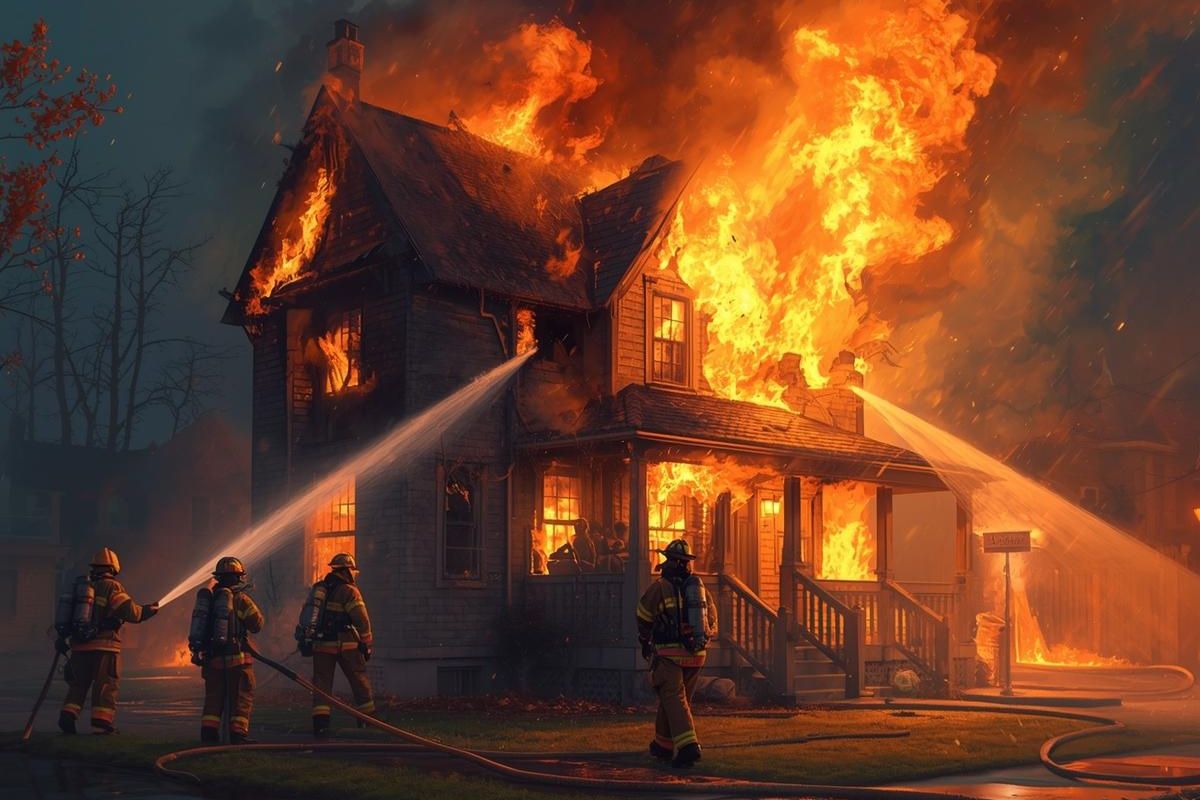
A fire in the home is one of the most traumatic events a homeowner can face. Beyond the immediate danger and destruction, the aftermath presents a complex challenge that involves emotional recovery, financial decisions, and physical rebuilding. Fire damage cleaning is not just about repairing what was lost—it’s about ensuring safety, restoring comfort, and rebuilding with resilience. To navigate this process effectively, homeowners must understand the key steps involved in restoring their property after a fire.
Assessing the Damage and Ensuring Safety
The first and most critical step after a fire is ensuring that the property is safe to enter. Fire can compromise the structural integrity of walls, floors, and ceilings, making it dangerous to walk through the affected areas without professional clearance. Emergency responders and fire officials typically conduct an initial inspection to determine whether the home is stable. Once the property is deemed safe, homeowners should begin documenting the damage. This includes taking photographs, making detailed lists of affected items, and noting areas of concern. These records are essential for insurance claims and for guiding the restoration process.
Contacting the Insurance Provider
Prompt communication with the insurance company is essential. Most policies require that claims be filed within a specific timeframe, and delays can complicate the process. Homeowners should provide all necessary documentation, including photos, inventories, and any reports from fire officials. Insurance adjusters may visit the property to conduct their own assessment, and it is important to be present during this inspection to answer questions and provide context. Understanding the terms of the policy, including coverage limits and exclusions, helps homeowners make informed decisions about restoration and replacement.
Securing the Property and Preventing Further Damage
Once the initial assessment is complete, the next step is securing the property to prevent further damage. This may involve boarding up windows, covering exposed areas with tarps, and shutting off utilities to avoid electrical hazards or water leaks. Restoration professionals often install temporary fencing or signage to deter unauthorized access. Preventing secondary damage is crucial, as exposure to the elements or vandalism can exacerbate the situation and increase restoration costs. Taking these precautions also demonstrates responsibility and may positively influence insurance outcomes.
Removing Debris and Cleaning the Site
Clearing debris is a labor-intensive but necessary step in the restoration process. Burned materials, ash, and soot must be removed carefully to avoid spreading contaminants. Restoration teams use specialized equipment such as HEPA vacuums and chemical sponges to clean surfaces without causing further damage. Smoke residue is acidic and can corrode metals, discolor walls, and degrade fabrics if not addressed promptly. Cleaning also involves deodorizing the space to eliminate lingering smoke odors. Techniques such as thermal fogging, ozone treatment, and hydroxyl generation are used to neutralize odors at the molecular level, ensuring a fresh and safe environment.
.jpg)
Evaluating Structural Integrity and Planning Repairs
After cleaning, professionals conduct a detailed evaluation of the home’s structural components. This includes inspecting the foundation, framing, roofing, and support beams for signs of heat damage or weakening. In some cases, materials may appear intact but have lost their strength due to prolonged exposure to high temperatures. Restoration experts work with engineers and contractors to determine which elements need reinforcement or replacement. Planning repairs involves creating a timeline, estimating costs, and selecting materials that meet safety standards and building codes. Homeowners should review these plans carefully and ensure that all work is documented for future reference.
Restoring Utilities and Essential Systems
Rebuilding a home after fire damage also involves restoring essential systems such as electricity, plumbing, and HVAC. These systems must be inspected and tested before being reactivated. Smoke and heat can damage wiring, melt pipes, and contaminate ventilation systems. Professionals replace compromised components and sanitize affected areas to ensure safe operation. Restoring utilities is a milestone in the recovery process, as it allows homeowners to begin using the space again and facilitates further restoration activities.
Replacing and Restoring Personal Belongings
Personal belongings hold sentimental and practical value, and their restoration is an important part of the recovery journey. Items such as clothing, furniture, electronics, and documents may be salvageable with specialized cleaning and treatment. Restoration companies use techniques like ultrasonic cleaning, freeze-drying, and ozone treatment to recover items that appear beyond repair. Homeowners should prioritize irreplaceable items and consult with professionals to determine what can be saved. In cases where replacement is necessary, insurance coverage may help offset the cost.
Final Inspection and Reoccupation
Before reoccupying the home, a final inspection is conducted to ensure that all repairs meet safety standards and that the property is free from contaminants. Air quality tests may be performed to confirm the absence of smoke particles and harmful residues. Restoration teams provide detailed reports of the work completed, including photographs, invoices, and recommendations for future maintenance. Once the home passes inspection, homeowners can begin moving back in and resuming daily life. This moment marks the culmination of a long and difficult process, and it is often accompanied by a sense of relief and renewal.
Conclusion
Fire damage restoration is a multifaceted process that requires careful planning, professional expertise, and emotional resilience. From assessing the damage and securing the property to cleaning, repairing, and restoring personal belongings, each step plays a vital role in rebuilding a safe and comfortable home. By understanding the key phases of restoration and working closely with insurance providers and restoration professionals, homeowners can navigate the aftermath of a fire with confidence and clarity. The journey to recovery may be challenging, but with the right support and resources, it is entirely possible to rebuild not just a house, but a home filled with hope and strength. For expert care and rapid recovery after fire or water damage, trust the certified professionals at NYCrestoration.com to bring your property back to life.


.svg)
.png)
.jpg)