
The Hidden Costs of Managing a Tiny House Airbnb (and How to Keep Profits High)


Managing a tiny house Airbnb is like tending to a delicate garden; it requires careful attention to thrive. You might think the charm of a small space guarantees easy profits, but hidden costs can quickly sprout up and overshadow your earnings. From unexpected repairs to fluctuating utility bills, these expenses can eat into your revenue more than you'd expect, which is why many hosts rely on trusted airbnb property management services in Los Angeles, CA to streamline operations and protect profitability. So, how do you navigate this intricate landscape while ensuring your profits remain robust? Exploring effective strategies could be your key to flourishing in this competitive market.
Initial Setup Expenses
Setting up your tiny house Airbnb can be an exciting adventure, but it also comes with a host of initial expenses that might catch you off guard.
You'll need to evaluate the cost of the tiny house itself, whether you're buying or renting. Don't forget to budget for utilities. Connecting water, electricity, and internet can add up quickly, especially if you opt for high-speed internet to attract more guests.
Furnishing your space is another vital expense. You want your tiny house to be comfortable and appealing, so invest in quality furniture and decor. Contemplate multi-functional furniture to maximize your space without sacrificing style.
You might also want to stock up on essentials like linens, kitchenware, and toiletries, which can add to your upfront costs.
Permits and licenses for operating a short-term rental can also sneak up on you. Research local regulations to guarantee you're compliant, as fines can be hefty.
Ongoing Maintenance Costs
Once your tiny house Airbnb is up and running, ongoing maintenance costs can greatly impact your bottom line. Regular upkeep is vital to guarantee your property remains appealing and functional for guests.
You'll need to budget for routine maintenance tasks like cleaning, landscaping, and repairs. These aren't just one-time expenses; they recur throughout the year.
Consider hiring a professional cleaning service if you're unable to manage turnover cleanings yourself. This can be an added cost, but it's essential for maintaining a high standard of cleanliness, which guests expect.
Additionally, wear and tear is inevitable in any rental property. You should set aside funds for minor repairs, such as plumbing issues or appliance malfunctions.
Another often-overlooked element is seasonal maintenance. Depending on your location, you may need to winterize your tiny house or schedule air conditioning checks during summer months.
Each of these tasks incurs costs that can add up quickly.
Utility Bills Overview
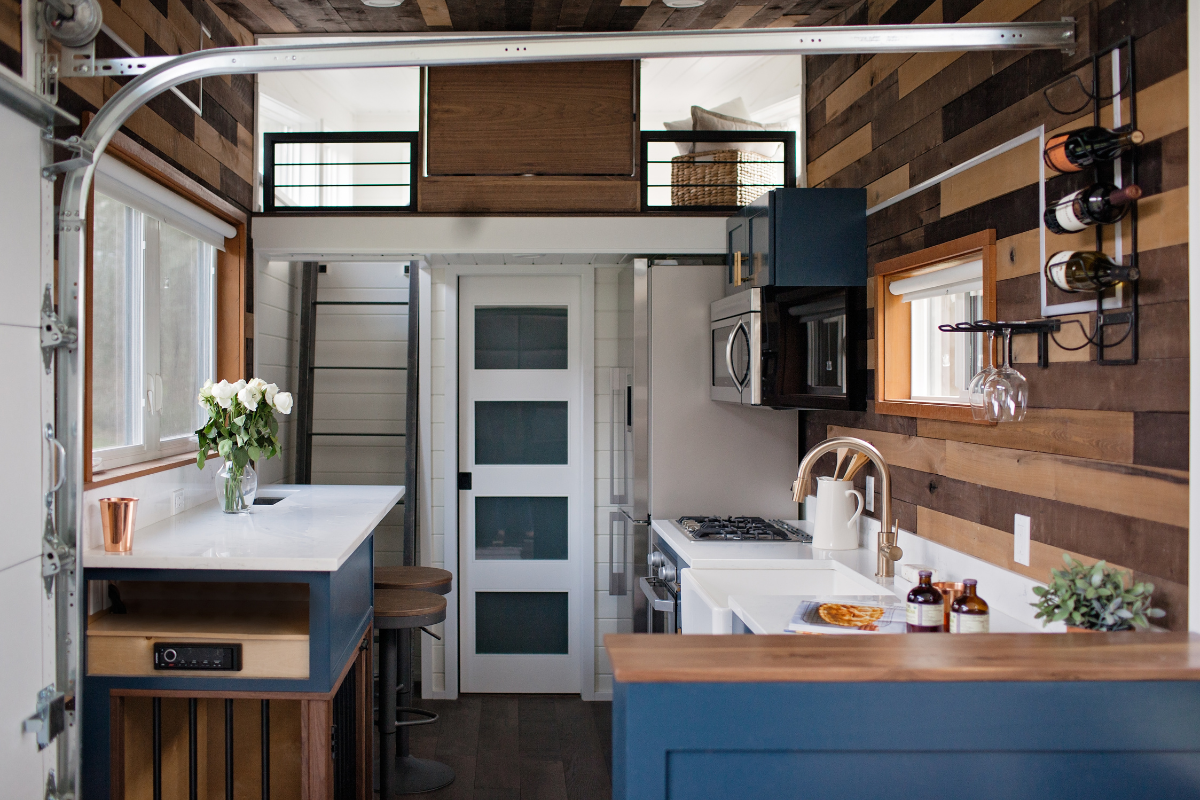
Utility bills can profoundly affect your profitability when managing a tiny house Airbnb. While tiny houses are designed to be energy-efficient, you still need to account for various utility costs, including electricity, water, and internet. Understanding these expenses can help you optimize your pricing strategy and maintain higher profit margins.
Electricity is often your biggest utility expense. If your tiny house includes heating, cooling, or electric appliances, monitor usage closely. Consider investing in energy-efficient appliances or solar panels to reduce costs.
Water bills can also add up, especially if you're using a higher flow rate for showers or dishwashing. Implementing water-saving fixtures can considerably lower your monthly bills.
Don't overlook internet costs, as most guests expect reliable Wi-Fi. Depending on your location, you might have limited options, so shop around for the best deals.
Remember, you can factor these utility costs into your nightly rate. By providing transparency about utilities in your listing, you set realistic expectations for guests while ensuring you're not caught off guard by fluctuating bills.
Cleaning and Turnover Fees
Managing a tiny house Airbnb goes beyond just tracking utility bills; cleaning and turnover fees are another significant aspect that can impact your bottom line. These fees can vary widely based on your location, the size of your space, and the level of service you choose.
You might opt to hire a professional cleaning service, which can guarantee a high standard of cleanliness but can also eat into your profits. Alternatively, if you decide to handle cleaning yourself, it still consumes valuable time that could be spent on other income-generating activities.
To keep these costs manageable, consider developing a thorough cleaning checklist that you can follow after each guest's departure. This guarantees that your tiny house remains in top condition without needing extensive cleanings that could increase costs.
Additionally, streamline your turnover process by setting clear expectations with guests regarding their responsibilities, such as taking out the trash or washing dishes. By making these adjustments, you can reduce cleaning time, minimize fees, and ultimately enhance your overall profitability.
Just remember, maintaining a clean and welcoming environment is vital for positive reviews and repeat bookings, so find the right balance that works for you.
Marketing and Advertising Expenses
When it comes to attracting guests to your tiny house Airbnb, marketing and advertising expenses can greatly impact your overall profitability.
You'll need to invest in effective strategies to guarantee your property stands out in a crowded market. This often starts with high-quality photography. Hiring a professional photographer might seem like an upfront cost, but stunning images can remarkably increase booking rates.
Additionally, consider listing your property on multiple platforms. While this might incur extra fees, it broadens your reach, appealing to diverse audiences.
Social media advertising can also prove beneficial, allowing you to target specific demographics interested in unique stays. Allocate a budget for sponsored posts or ads to maximize visibility.
Don't forget about SEO for your listing description. A well-optimized title and description can improve your ranking on search engines and booking sites.
You might also explore local partnerships, such as collaborating with nearby attractions, which can enhance your marketing power.
Insurance Considerations
Attracting guests to your tiny house Airbnb is just the beginning; protecting your investment is equally important. Insurance considerations are vital for safeguarding your property against potential risks.
First, you'll want to explore short-term rental insurance options specifically tailored for Airbnb hosts. This type of policy typically covers liability claims, property damage, and even loss of income due to unforeseen circumstances.
Don't overlook the importance of homeowners insurance. Many standard policies don't cover short-term rentals, so you may need to add a rider or switch to a policy that accommodates your hosting activities.
Be sure to check your coverage limits and understand any exclusions that could leave you vulnerable.
Additionally, consider requiring guests to purchase travel insurance. This can protect them from trip cancellations or unexpected events, ultimately reducing the likelihood of disputes and claims against you.
Unexpected Repairs and Emergencies
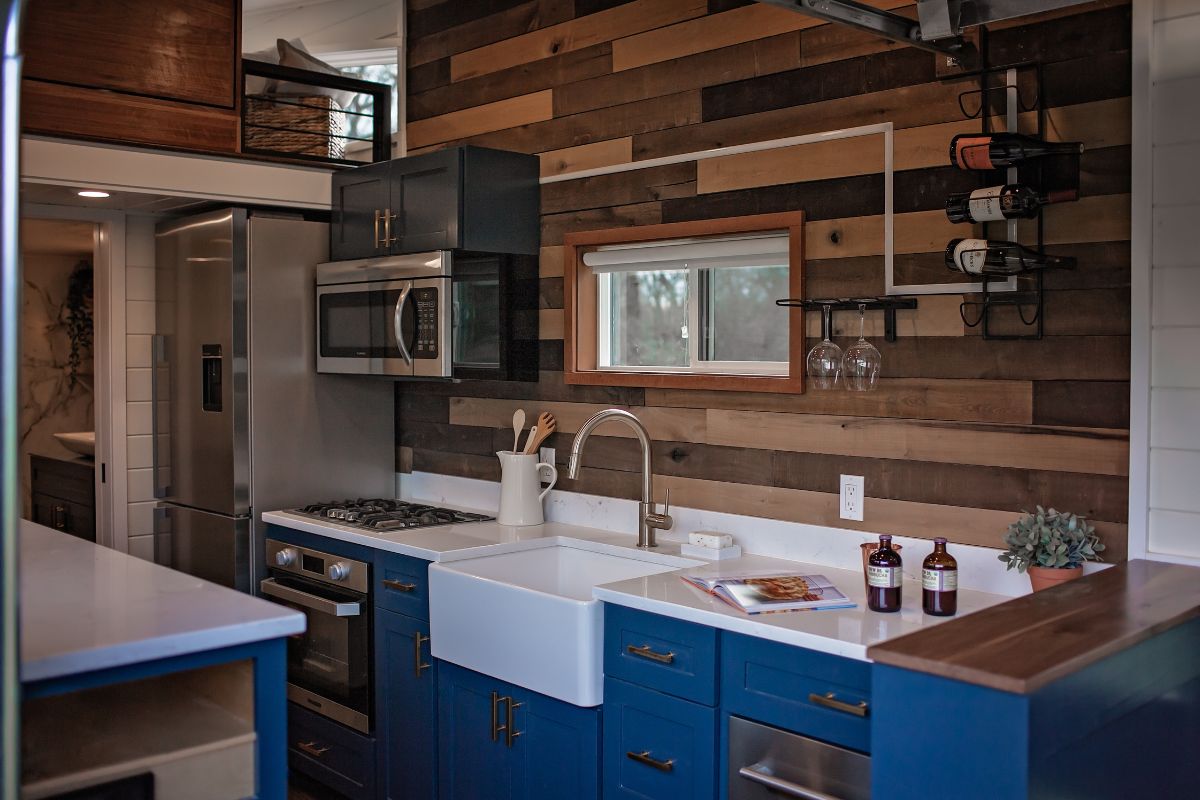
Unexpected repairs and emergencies can arise at any moment, often catching hosts off guard. As a tiny house Airbnb host, you're managing a unique space that can come with its own set of challenges. Plumbing issues, electrical failures, or even a broken appliance can disrupt your rental flow, leading to potential income loss. It's vital to stay prepared for these unforeseen events.
To mitigate risks, consider setting aside a contingency fund specifically for emergencies. This can cushion the financial blow when something goes wrong. Additionally, regularly inspecting your property can help you identify wear and tear before it escalates. For example, checking for leaks or testing electrical outlets can save you from costly repairs down the line.
Establishing a reliable network of local contractors or handypersons is also beneficial. This way, you can quickly address issues when they arise, minimizing downtime for your guests.
Pricing Strategies for Profit
Managing unexpected repairs can disrupt your income flow, making it crucial to have a solid pricing strategy in place to maximize profitability. By carefully evaluating your pricing, you can't only cover your costs but also guarantee a steady stream of income.
Here are four strategies to take into account:
- Dynamic Pricing: Adjust your rates based on demand. Use tools that analyze local events or seasonality to optimize your pricing.
- Value Additions: Offer extras like guided tours, breakfast baskets, or unique experiences. These can justify higher rates and enhance guest satisfaction.
- Minimum Stay Requirements: Implementing a two or three-night minimum can reduce turnover costs and increase your overall bookings.
- Competitive Analysis: Regularly assess what similar properties charge. Staying competitive while understanding your unique selling points can attract a broader audience.
Conclusion
In managing your tiny house Airbnb, it's easy to overlook those sneaky costs lurking in the shadows, ready to pounce on your profits. But fear not! By staying savvy with your expenses and employing clever pricing strategies, you can turn potential financial pitfalls into golden opportunities. With a little planning and creativity, you'll not only keep your wallet happy but also create an unforgettable experience for your guests. Who knew tiny houses could lead to such colossal rewards?


.svg)
.jpg)
.jpg)
.jpg)