How a Better Garage Can Bring Calm, Space, and Order Back to Your Home

.jpg)
There is a certain kind of stress that comes from opening the garage door and seeing everything at once.
The half-used paint cans. The tangled extension cords. The soccer balls rolling under the shelves. The holiday bins stacked in a way that feels just a little too risky. The old chair you meant to fix two years ago. The tools you know you own, but somehow can never find when you actually need them.
A garage can become the place where decisions go to wait.
It starts innocently enough. You put one box in the corner because you will deal with it later. Then another. Then the kids outgrow some gear, the garden tools need a spot, the ladder has nowhere better to live, and before long, your garage is not really a garage anymore. It is a storage room with a big door.
But here is the good news. A better garage does not have to mean a perfect garage.
You do not need custom cabinets, a shiny floor, or color-coded bins for every tiny thing. You just need a space that works better for your real life. A space that gives you room to move. A space that helps you find what you need without digging through five mystery boxes first.
And honestly, that kind of space can change how your whole home feels.
Why Garage Clutter Feels So Heavy
Garage clutter is different from regular clutter. A messy kitchen counter is annoying, sure. A pile of laundry on the chair is frustrating. But garage clutter often feels bigger because it is usually made up of bulky, awkward, easy-to-ignore things.
You are not just dealing with papers and coffee cups. You are dealing with bikes, bins, rakes, tools, old furniture, sports gear, coolers, car supplies, camping equipment, and who knows what else.
The problem is not only that the garage looks messy. The problem is that the mess gets in the way of daily life.
You waste time looking for things. You buy another tape measure because the one you already own is buried somewhere behind the leaf blower. You leave the car in the driveway because there is no room inside. You avoid starting projects because the space feels too frustrating before you even begin.
And then there is that small moment of embarrassment when the garage door opens and everything is suddenly on display.
Sound familiar?
The garage may not be the room where you relax at the end of the day, but it still affects the rhythm of your home. When it feels chaotic, it adds one more layer of mental noise. You may not think about it all the time, but you feel it when you walk through it.
That is why improving the garage is not just about cleaning. It is about making your home feel lighter.
.jpg)
First, Decide What the Garage Is Actually For
Before you buy shelves or start dragging boxes into the driveway, pause for a minute.
What do you actually need your garage to do?
This sounds simple, but it matters. A lot of garages become cluttered because they are trying to serve too many purposes without any clear plan. They are part parking space, part workshop, part sports closet, part garden shed, part storage unit, and part “I do not know where else to put this” zone.
No wonder they feel overwhelmed.
Think about your everyday life. Do you want to park one or two vehicles inside? Do you need a workbench for repairs or hobbies? Are you storing tools, bikes, lawn equipment, seasonal decorations, or outdoor furniture? Do you want space for a home gym or a small gardening station?
There is no single right answer. The best garage is the one that fits the way you actually live.
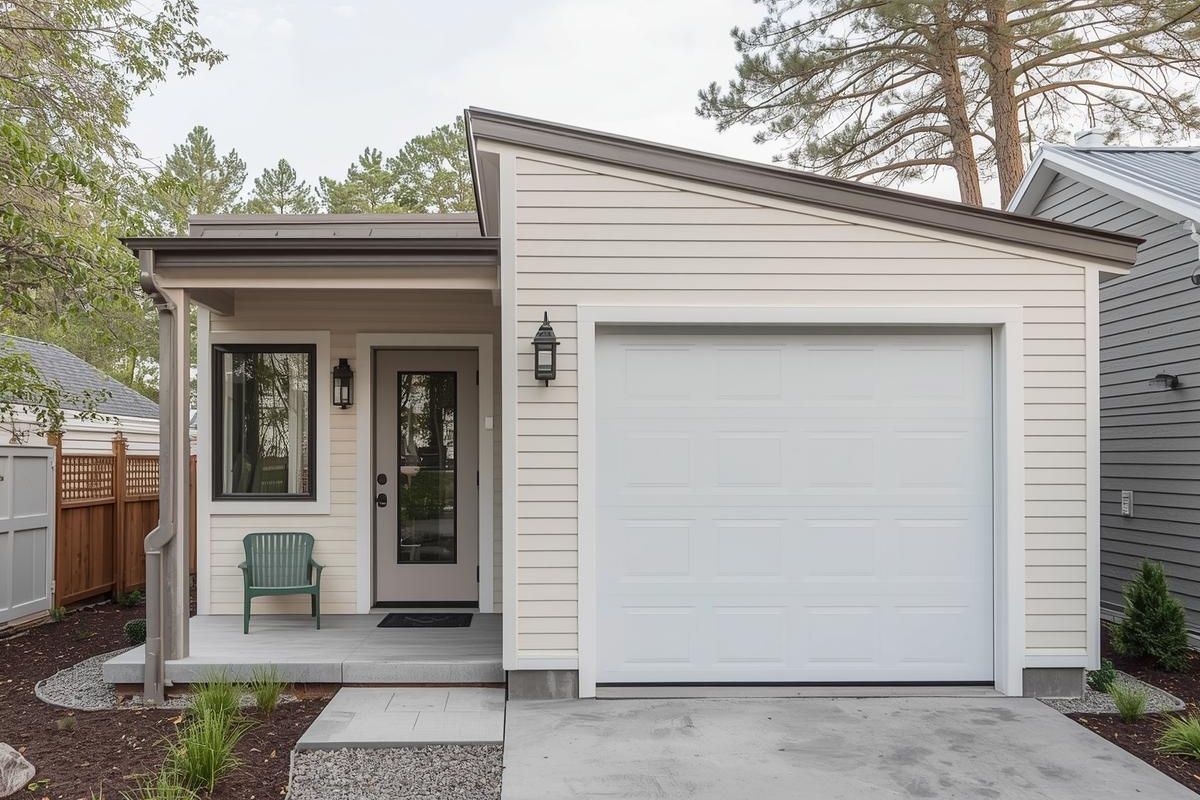
For some homeowners, the answer may even be that the current garage is doing too much. If the space needs to handle vehicles, tools, equipment, and serious storage, it might be worth exploring flexible options like post frame building kits as part of a bigger conversation about creating room that supports everyday life instead of crowding it.
The point is not to chase more space just for the sake of it. The point is to be honest about what your home needs.
Once you know the purpose of the garage, every other decision becomes easier.
Clear the Floor and You Will Feel the Difference Fast
If you want one change that makes the garage feel better almost immediately, start with the floor.
A cluttered floor makes a space feel smaller than it is. It also makes everything harder. You cannot sweep easily. You cannot park comfortably. You cannot walk through the garage without stepping around boxes, tools, or random equipment.
The floor is valuable real estate.
So get as much as you can off the ground. Use wall hooks for bikes, ladders, hoses, and yard tools. Add shelves for bins and supplies. Consider ceiling racks for seasonal items you only need once or twice a year. Use pegboards for tools that always seem to disappear at the worst possible time.
This does not have to happen all in one weekend. Start with one section. Clear one wall. Hang one set of hooks. Move one pile of stuff into a better place.
Small progress counts.
Once the floor opens up, the whole garage starts to breathe. You can see what you have. You can move around without frustration. You might even be able to park inside again, which feels like a small luxury when the weather is bad.
And sometimes, that first visible change gives you the motivation to keep going.
Create Simple Zones That Match Real Life
Once you have a little more floor space, it is time to think in zones.
Do not overcomplicate this. You are not creating a museum display. You are just giving things a logical place to live.
Group similar items together. Put gardening supplies in one area. Keep sports gear in another. Store car care products near the vehicle if that makes sense. Place everyday tools somewhere easy to reach. Keep seasonal decorations higher up or farther back, since you do not need them every week.
The goal is to make the garage easier to use without needing a map.
A good zone should answer one basic question, where would I naturally look for this?
If your kids use soccer balls and scooters every day, do not put them on a high shelf behind heavy bins. If you use the drill often, do not bury it in a cabinet under old extension cords. If you grab the snow shovel in a hurry, keep it near the door when winter comes.
Organizing only works when it fits real habits.
That is why picture-perfect garage makeovers can be misleading. They look great online, but some systems are too fussy for normal life. If putting something away takes five steps, most people will not do it for long. They will set it down “just for now,” and the mess will slowly return.
Simple wins.
Choose Storage That Is Easy to Use
The best storage system is not always the prettiest one. It is the one you will actually use.
Clear bins are great for items you need to see quickly. Labels help when bins are not transparent or when multiple people use the garage. Open shelves work well for things you grab often. Closed cabinets are better for chemicals, sharp tools, or anything you want tucked away from kids and pets.
Pegboards are useful because they make tools visible. Wall hooks are perfect for awkward items like rakes, shovels, cords, and folding chairs. Heavy-duty shelves can handle bins, paint supplies, coolers, and larger household items. Ceiling storage can be helpful for things like holiday decorations, camping gear, or seasonal cushions.
But do not buy a bunch of storage before you sort through what you own.
That is how people end up organizing things they do not even want.
Start by grouping items. Then decide what type of storage makes sense. You might find that you need fewer bins than expected because half the items can be donated, recycled, or thrown away.
Also, think about safety. Store heavy items low. Keep hazardous materials out of reach. Make sure shelves are stable. Avoid stacking bins so high that getting one down feels like a dangerous balancing act.
A calm garage should not feel like a puzzle you have to solve every time you need a screwdriver.
Make Room for What Matters Most
Here is where a better garage becomes more than an organizing project.
When your garage works well, it creates room for things you actually care about.
Maybe that means parking your car inside before a storm. Maybe it means finally having a workbench where you can fix things without clearing off a folding table first. Maybe it means your kids can grab their bikes without knocking over three rakes. Maybe it means you have a place to pot plants, repair furniture, store camping gear, or work on a weekend project without feeling boxed in.
What would become easier if your garage gave you room to move again?
That is the real question.
Because space is not just about square footage. It is about ease. It is about lowering the friction in your day. It is about not feeling irritated before you even start a task.
A better garage can support your hobbies, routines, and responsibilities in a way that feels surprisingly meaningful. It gives your tools a place. It gives your projects a surface. It gives your family a system that does not require constant nagging or cleanup marathons.
For homeowners looking to take that idea even further, a Los Angeles garage conversion can transform underused space into a dedicated area for work, fitness, guests, or everyday living.
And maybe most importantly, it gives you one less space that feels unfinished.
Do Not Forget Lighting, Flooring, and Comfort
Once the clutter is under control, look at how the garage feels.
Is it dark? Cold? Dusty? Hard to work in? Does the lighting make every corner feel like a cave? Does the floor always seem dirty no matter how often you sweep?
Storage matters, but comfort matters too.
Better lighting can make a huge difference. Bright overhead lights help you find things, work safely, and make the space feel less forgotten. Task lighting over a workbench can make repairs, hobbies, and small projects much easier.
Flooring is another upgrade worth considering. You do not need anything fancy, but a cleaner, more durable floor can make the garage feel more finished. Even simple mats in key areas can help protect the surface and make standing more comfortable.
Ventilation matters if you work with paints, stains, cleaning products, or equipment. Insulated doors can help if the garage gets extremely hot or cold. Weather-resistant storage can protect items from moisture, dust, and temperature swings.
These details may seem small, but they change how often you use the space.
After all, nobody wants to spend time in a garage that feels dim, cramped, and uncomfortable. Make it brighter and easier to move through, and suddenly it becomes a space you do not mind entering.
That alone is a win.
.jpg)
Let Go of What No Longer Belongs There
Now comes the part most people avoid.
Decluttering.
Garages tend to hold delayed decisions. Broken tools you might fix someday. Old paint from a room you repainted years ago. Boxes from a move. Furniture no one really wants. Kids’ items with sentimental weight. Random parts to things you may not even own anymore.
It is easy to keep these things because the garage feels like a harmless place to store them.
But every item takes up space. Not just physical space, either. It takes up a little mental space too.
You do not have to be ruthless, but it helps to be honest.
Ask yourself a few simple questions. Have I used this in the last year? Would I buy this again today? Is it still safe and useful? Does it belong in the garage, or have I just avoided making a decision about it?
Some things will be easy to let go of. Others may take more thought. That is fine.
The goal is not to erase your past or toss everything that does not serve an immediate purpose. The goal is to stop letting forgotten items crowd out the life you are living now.
Old tools, unused furniture, broken planters, dried-up paint, and mystery cords have a way of making a garage feel heavier than it needs to be. Letting them go can feel oddly freeing.
You are not just clearing space. You are making a decision.
Small Changes Can Make the Whole Home Feel Lighter
One of the best things about improving the garage is that the benefits do not stay in the garage.
When the garage is organized, other parts of the home often improve too. Closets get less crowded because seasonal items have a better place to go. Entryways stay cleaner because outdoor gear is easier to store. Tools are easier to find, so small repairs do not turn into frustrating searches. Sports gear does not end up scattered across the house.
Even your mornings can feel smoother.
You know where things are. You can get to the car. You can grab what you need and move on with your day.
That kind of order may not seem dramatic, but it adds up. A calmer garage can remove a surprising amount of daily friction. It is one less place where clutter greets you. One less area that makes you think, “I really need to deal with this.”
And that matters.
Homes are not only shaped by the rooms we decorate. They are shaped by the spaces that support everyday life. The laundry room. The pantry. The mudroom. The garage. These practical spaces carry a lot of weight, even when we overlook them.
When they work better, life feels a little easier.
A Better Garage Is Really About a Better Daily Rhythm
At the end of the day, a better garage is not about perfection.
It does not need to look like a showroom. It does not need matching bins, spotless floors, or a wall of tools arranged like artwork. Those things are nice if you enjoy them, but they are not the point.
The point is function. Calm. Breathing room.
A better garage helps you move through your day with less frustration. It gives your belongings a clear place to land. It protects the things you worked hard to own. It makes space for hobbies, projects, routines, and the ordinary tasks that keep a home running.
Start small. Clear the floor. Create one zone. Add a few hooks. Let go of the things that no longer belong. Improve the lighting. Make the space easier to use, one decision at a time.
You do not have to fix everything at once.
But every small improvement sends the same message, this space can work better for you.
And once the garage feels calmer, the rest of the home often follows. Not in a loud, dramatic way. More like a quiet exhale when you open the door and finally feel like there is room.
A better garage gives you more than storage.
It gives you space to breathe.


.svg)
.jpg)