How Low-Profile Architectural Masonry Is Transforming Modern Interior Floors

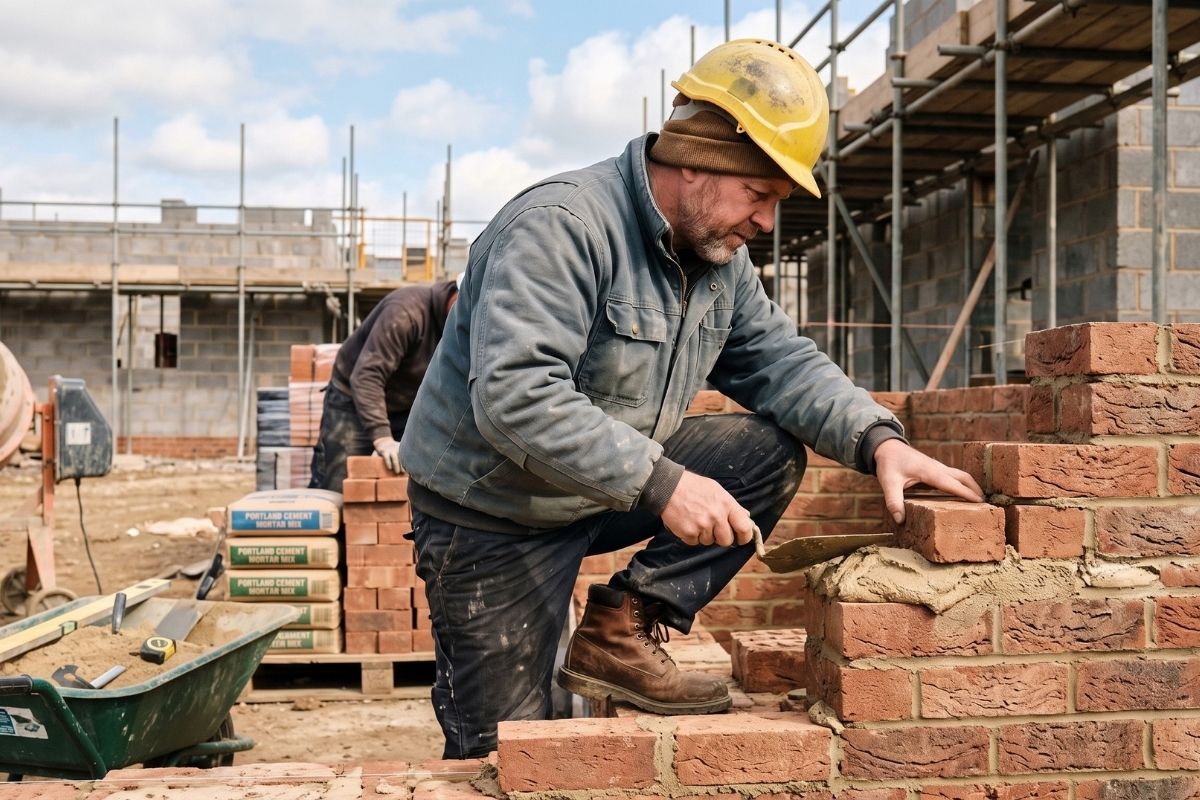
Low-profile masonry and reclaimed materials allow home designers to add rich historical texture without compromising on vertical space or durability.
Generally speaking, modern interior design brings together two qualities that, at first glance, seem as if they aren’t particularly “compatible”. This refers to the understated appearance of contemporary spaces and the warmth of historic materials.
Homeowners and designers are yearning for surfaces with character, texture, and a sense of permanence; however, they also want something that’s practical, that you can combine with modern construction methods.
One of the surefire ways to accomplish this balance is through low-profile masonry. Thin brick veneers and similar masonry finishes can bring the appearance of conventional brick flooring without needing the same depth or material mass as typical full-thickness masonry.
When chosen correctly, thin masonry surfaces can offer a distinctive architectural quality to entryways, kitchens, and other areas that are part of the interior.
What’s So Appealing About Low-Profile Masonry?
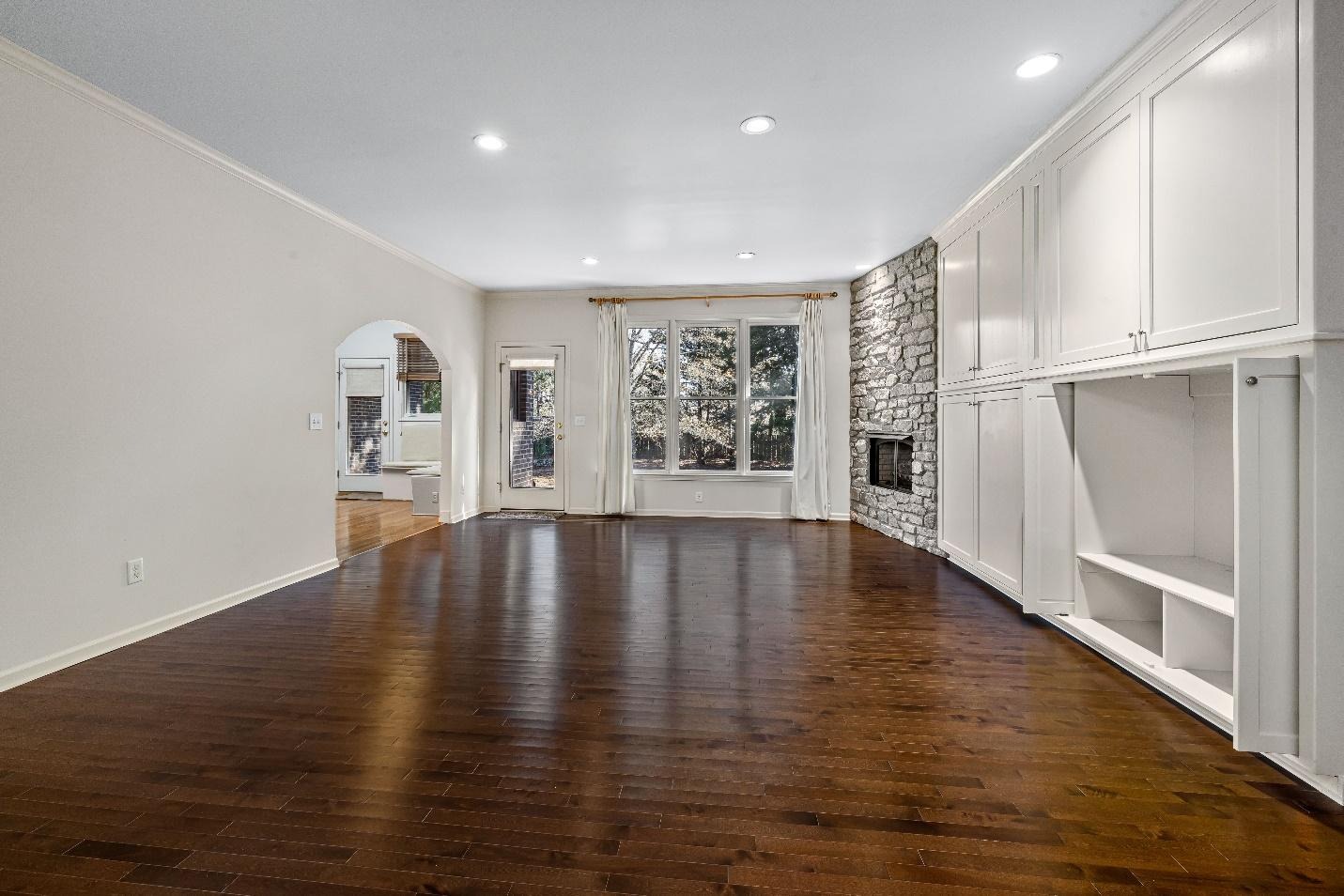
Flooring does a whole lot of heavy lifting that goes way beyond a room's aesthetic. It directly shapes the vibe of a space, dictates how well your other design materials play together, and determines how easily your home deals with everyday chaos.
Take traditional brick floors, for instance; they come packed with centuries of rich architectural history. Their charmingly irregular surfaces, organic color variations, and prominent grout joints create an instant sense of old-world soul and authenticity that perfectly uniform, factory-made finishes just can't replicate.
But let’s be real: installing full-thickness masonry in a modern house can disrupt your plans a bit. Because traditional bricks are thick and heavy, they can completely mess up your transitions between rooms, clip your door clearances, throw off stair heights, and raise the finished floor level to an awkward height.
Plus, depending on your subfloor, you might find yourself needing serious structural reinforcement just to hold the weight. That’s exactly why thin brick veneers have become such a massive trend.
They use a slimmed-down slice of authentic material to give you that gorgeous brick aesthetic without the massive bulk, resting comfortably on a standard substrate system instead. This low-profile alternative makes it easier to drop a rustic masonry vibe straight into an existing home renovation.
Just keep in mind that you still have to budget for the entire installation sandwich—the adhesives, mortar, waterproof membranes, and underlayments will all add a little bit of height to that final floor level.
You Need To Select The Proper Thin Brick Finish
What you need to understand is that not every brick product makes the same visual result. Some are designed to make a contemporary appearance, and then you have those that are intended to reproduce the irregularities and tonal variation linked with reclaimed masonry. For projects that highlight historical character, Reclaimed NY Thin Brick Floor Tile can be a useful reference point when trying to find out how reclaimed-style brick finishes can bring vintage texture into a modern interior. When assessing a product, be sure to factor in its intended application.
That’s supposed to be a priority. Keep in mind that a finish designed for walls isn’t instantly suitable for flooring. Floor surfaces must meet the essential requirements for wear, maintenance, and slip resistance.
Another element that you should take into account is the color. Terracotta and red tones are generally very warm, while charcoal shades and muted browns are much better for restrained palettes.
Every texture deserves the same level of attention. A highly irregular finish may level up a rustic design, but excessive unevenness can affect cleaning, comfort, and furniture stability. Samples are always recommended because they enable designers to evaluate the actual surface instead of fully relying on product photography.
Something that can radically influence the overall appearance is mortar or grout color. Contrasting joints accentuate the individual brick units, while close color matching can make a more consistent surface.
Combining History And Modern
One of the coolest things about thin masonry flooring is its superpower to inject raw, tactile texture into a space without making the room feel visually cramped or weighed down. Brick brings a gorgeous, organic vibe that acts as the perfect natural foil to ultra-smooth kitchen cabinetry, glass, metal accents, and sleek, minimalist furniture.
Those charmingly imperfect edges and subtle color shifts do wonders to soften up modern interiors that are otherwise dominated by rigid straight lines and uniform, factory-made finishes. Think about how this plays out in a contemporary kitchen: a brick floor can elevate basic cabinets and understated hardware by adding a deep layer of character right under your feet.
In an entryway, it creates a rugged, welcoming transition between the great outdoors and the rest of your house. Even a compact dining nook can use a touch of masonry to instantly capture the moody, historic vibe of a London townhouse or a converted industrial loft.
The secret to pulling this off is creating an intentional, stylized dance between the old and the new. You can pair a rustic, reclaimed-looking brick with crisp, neutral walls, warm natural wood, and clean, unpretentious furniture for a stunning modern-rustic mix.
Or, if you want to lean fully into a classic aesthetic, pair the brick up with exposed wooden ceiling beams, vintage furniture finds, and textured plaster walls. The best part? You don’t have to go overboard.
This finish doesn't need to swallow the entire room. Sometimes, rolling out a relatively small footprint of architectural masonry delivers more than enough visual punch to set your home miles apart from a cookie-cutter modern interior.
Why Is Thin Masonry Perfect For Smaller Interiors?
Compact spaces generally need careful material choices due to the fact that each additional layer can influence the usable dimensions of a room. In remodeling, adding a thick floor finish may result in issues at cabinetry, doorways, appliances, or connections to adjacent rooms.
Raising the floor too much can lead to strange transitions or may even require additional carpentry. Luckily, a thin masonry veneer may restrict these problems because it can provide the appearance of a traditional masonry surface and, concurrently, decrease the depth of the facing material.
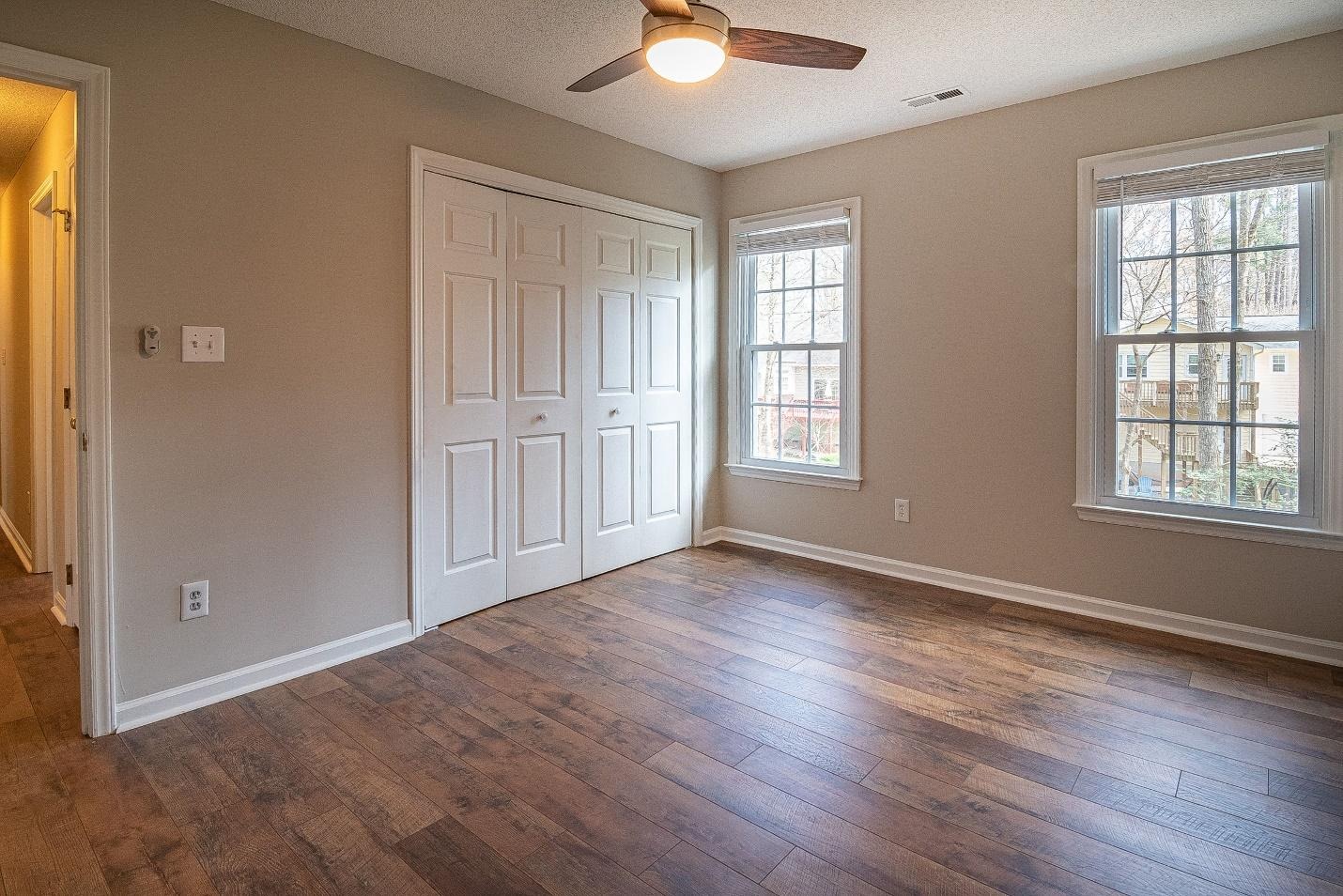
If you’re longing to add more warmth and appeal to your space, then low-profile architectural masonry is the way to go. That’s one of the reasons why it is so popular among houses of various types.