
How to Declutter and Pack Before Moving into a Tiny Home

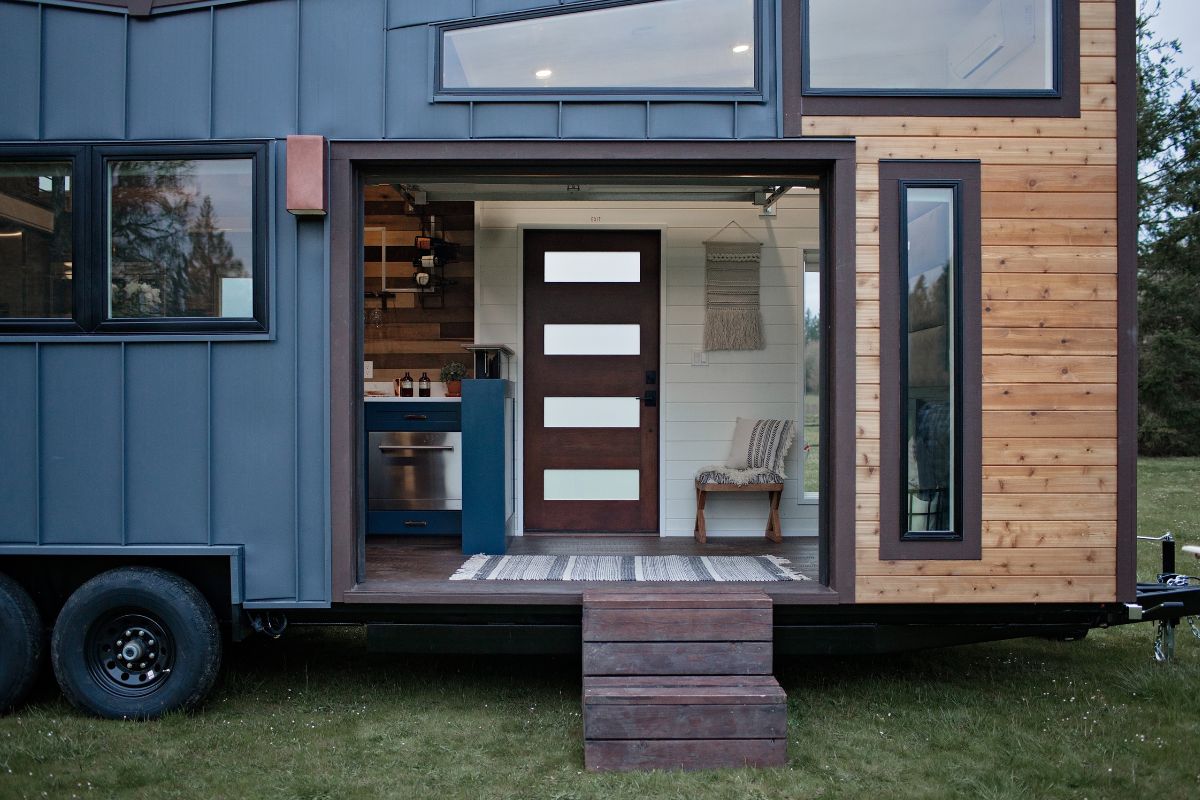
If you are moving into a tiny home, you have to remember that it won’t be able to hold half of the stuff that you have in your normal-sized house. You need to do some decluttering before you start packing.
You also have to be careful about the way you pack. You have to keep everything small and minimal so that the moving process itself stays streamlined.
Why is decluttering important before moving into a tiny home
Decluttering is important before moving into a tiny home because limited space requires efficient use of every area. Removing unnecessary items reduces clutter, simplifies storage, and creates a functional, organized environment.
A decluttered home improves daily comfort, maximizes usable space, and promotes a minimalist, stress-free lifestyle.
Steps to declutter your home
Here is a short, step-wise guide to help you declutter:

- Clear out unused items
Give yourself a moment to look around with fresh eyes. Many objects hide in plain sight and no longer serve you. Letting them go creates breathing room.
Key steps
- Walk through each space with a small bin
- Pick up anything you have not used in months
- Place those items aside to review later
- Celebrate each bit of space that reappears
- Sort belongings with purpose
A clear system removes hesitation. When every item goes into a keep, donate, or discard category, decisions become easier and faster.
Key steps
- Set up three containers
- Move quickly so you avoid second-guessing
- Place the keep items exactly where they belong
- Bag up donations the same day to maintain momentum
- Tackle one room at a time
A whole house can feel overwhelming. One room feels achievable. This focused style helps you stay steady, and the progress becomes visible quickly.
Key steps
- Choose the smallest or simplest room first
- Finish that room completely before shifting to another
- Take a short break between rooms, recharge a little
- Use each completed space as motivation
- Build simple storage systems
A calmer home grows from a clear structure. Baskets, shelves, and labeled containers make upkeep easier. You stop losing things. You stop piling things.
Key steps
- Group similar items together before storing
- Pick storage tools that fit your space, not the other way around
- Label containers so future cleanup stays easy
- Leave a little empty space for flexibility
Why is proper packing important
Packing shapes the way you live in a tiny home long after moving day. A good system keeps things easy to find, easy to reach, and easy to manage.
When items are packed with intention, the transition feels lighter. Your new space works with you instead of against you.
Well-packed belongings also stay protected during the move. Fewer surprises later. Fewer repairs. Everything arrives ready to settle in.
Steps to pack your belongings
Here are some actionable steps that you can follow to pack your belongings when moving to a tiny home.

- Begin with your essentials
Set aside the items you use every day. These stay accessible. They also give you a sense of stability during the move.
Action steps
- Create a small essentials box
- Include toiletries, basic cookware, chargers, and daily clothing
- Keep this box with you instead of loading it into the moving truck
- Pack by category
A category approach simplifies unpacking. Similar items stay together. The tiny home layout becomes easier to design because nothing feels scattered.
Action steps
- Group kitchen items in one area, linens in another
- Wrap fragile pieces with soft items you already own
- Use clear bins or simple labels so you can recognize everything quickly
- Keep boxes light
A smaller home often includes stairs, lofts, or compact pathways. Lighter boxes make navigating those areas far easier, and you avoid straining yourself on moving day.
Action steps
- Mix heavy and light items so the weight stays balanced
- Fill gaps with towels or clothing to prevent shifting
- Test each box with a quick lift before sealing it
- Protect fragile items with care
A tiny home leaves little room for broken things waiting to be repaired. A small amount of protection during packing saves trouble later.
Here are some common household items that should be given the “fragile” treatment:
- Glassware and stemware
- Ceramic dishes and bowls
- Picture frames with glass fronts
- Small electronics with screens
- Decorative pieces made from porcelain or clay
- Lamps, shades, and delicate lighting fixtures
- Vases and candle holders
- Mirrors of any size
Action steps
- Use soft fabrics instead of buying extra packing materials
- Wrap items completely, then place them upright
- Mark boxes clearly so nothing gets crushed
- Hire professionals for support
Sometimes the smartest move is bringing in trained help. A good team removes stress and keeps the process moving smoothly. They know how to handle tight hallways and tricky corners, which matters even more when your new home offers limited space. You save energy for settling in instead of wrestling with heavy boxes.
Most reputable movers offer packing services as an add-on to their main services. Dumbo Moving and Storage, for example, is a famous moving company based in NYC that offers packing materials, packing services, and moving services all together in one bundle.
If you are in NYC, you can go with them. If you are based elsewhere, you can look for similar companies in your specific area.
Action steps
- Research reputable movers with experience in small-space relocations
- Ask about costs, timing, and how they handle delicate items
- Schedule your moving day early, so you avoid last-minute scrambling
Some tips to keep in mind
A slow, steady pace usually works best. Focus on consistency rather than marathons. Keep a donation bag open during packing, since you will notice even more things you do not actually need. Leave a small box empty for last-minute items that appear right before moving day. These stray objects always show up.
Tiny homes reward clarity. The more intentionally you pack, the easier your first weeks will feel.
Wrapping Up
A mindful approach turns both decluttering and packing into a smoother transition. Each step prepares your tiny home for comfort and order. When you arrive, the space welcomes you instead of overwhelming you.


.svg)

.jpg)
.jpg)
.jpg)