
How to Design a Two-Story Single-Car Garage for Your Property

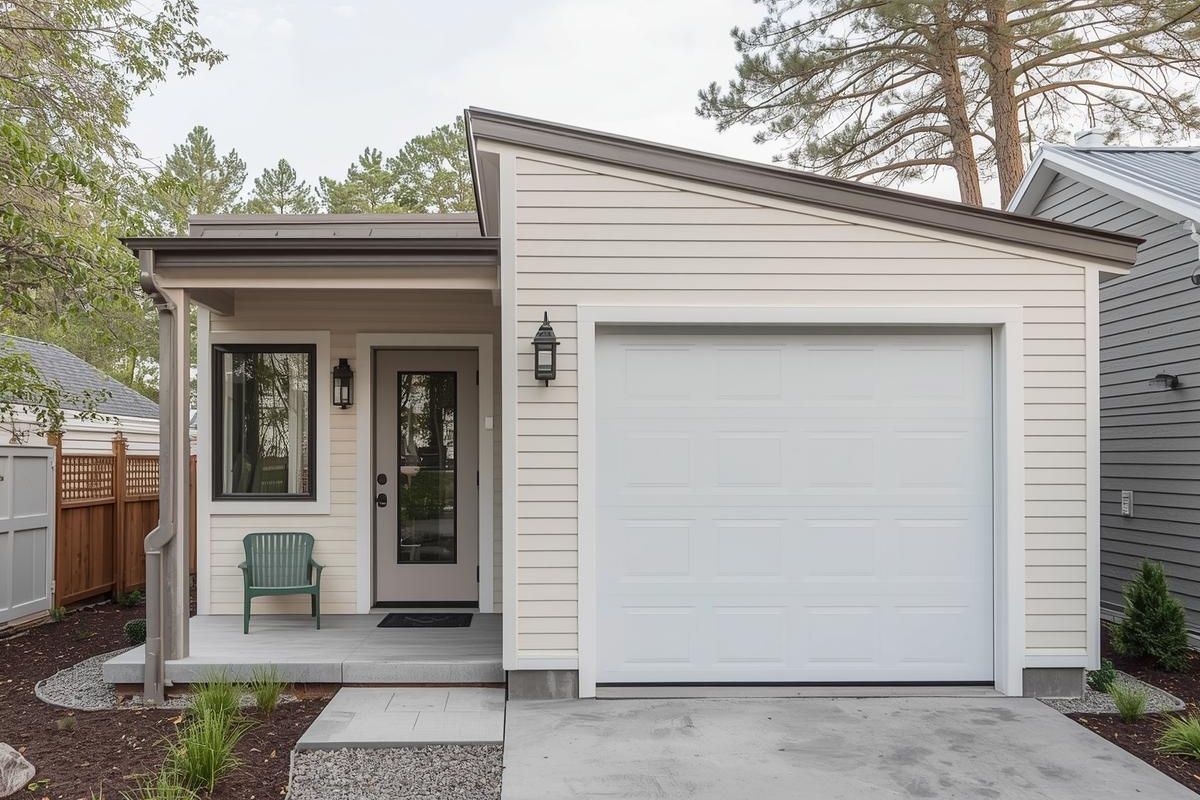
Property sizes across the U.S. continue to shrink, but our storage needs haven't diminished. Between the car, lawn equipment, tools, sports gear, and everything else that tends to accumulate, many homeowners find themselves running out of space. That's where smart vertical design comes into play. Building up instead of out isn't just practical, it’s often the only option when you’re working with limited space but still want a functional garage that serves multiple purposes.
A two story single car garage offers something unique: dedicated vehicle protection on the ground level and a completely separate space above that you can transform into practically anything. Think of it as getting two buildings for the footprint of one. While your neighbors are squeezing storage into every corner of their single-level garage, you'll have an entire loft area waiting to become a workshop, home office, gym, or even a guest retreat. The beauty of this approach is that it maximizes your property's potential without taking up more of your outdoor space.
Why choose a vertical design?
Building a garage with two floors makes financial sense. Construction costs per square foot typically favor vertical expansion over horizontal sprawl because you’re using the same foundation and roof for double the usable area. Plus, local zoning regulations in most U.S. states tend to be more lenient about building height than they are about how close you can build to property boundaries. This means you might squeeze a two-story structure onto your lot where a larger single-story option would violate setback requirements.
The practical benefits go beyond just economics. Having your storage and workshop space elevated keeps it separate from the dust, fumes, and temperature fluctuations that come with parking a vehicle at ground level. If you're planning to use the upper floor as living space or an office, this separation becomes even more valuable. Nobody wants to work above the smell of oil and exhaust.
.jpg)
Planning your layout and dimensions
Start with the basics. A standard single-car garage needs to be at least 10 feet wide and 20 feet deep to comfortably fit most vehicles. This gives you room to open doors and walk around without turning the space into a tight squeeze. However, for a two-story design, you might want to go slightly larger. Consider 12 to 13 feet wide and 21 to 23 feet deep. This extra space provides storage along the sides on the ground floor and creates a more functional upper level.
The height calculation matters more than you might think. The ground floor ceiling height should be a minimum of 8 feet to allow for garage door clearance and ventilation. For the second floor, aim for at least 8 feet as well if you’re planning to use it as proper living or working space. This means your total structure height will be somewhere between 18 to 21 feet, depending on roof pitch and floor construction thickness.
Speaking of the upper floor, access is something to plan early. Internal stairs take up valuable ground floor space but offer convenience and weather protection. External stairs save interior room but mean stepping outside in the rain when you need something from upstairs. Many people opt for a compact internal staircase along one wall, which typically requires about 3 to 5 feet of floor space but makes the whole building feel more integrated.
When mapping out the second floor, think about what you'll actually use it for. Different purposes call for different design elements:
- A hobby workshop needs good natural light and possibly three-phase power for equipment.
- A home office requires insulation for climate control and proper ventilation.
- Storage space might need higher weight-rated flooring if you’re planning to stack heavy items.
- A guest room or studio needs plumbing access if you want a bathroom.
- A gym benefits from impact-resistant flooring and adequate ceiling height.
Getting these details right at the design stage saves expensive modifications later.
Selecting materials and finishes
Your choice of materials will affect both the appearance and longevity of your garage. Timber framing is a popular option due to its versatility, relatively affordable price, and suitability for both prefab and on-site construction. Steel framing costs more upfront but offers superior strength and resistance to termites, which can be a concern in certain areas of the U.S.
For external cladding, you've got options. Traditional wood siding gives a classic look but requires ongoing maintenance. Steel cladding, like that from brands such as Colorbond, can handle harsh weather conditions without issue. Fiber cement sheets offer a middle ground with minimal upkeep and good durability. Whatever you choose, make sure it complements your main house. A garage that looks out of place will not add value to your home.
The roof deserves careful thought because it's taking on more structural responsibility in a two-story design. Metal roofing is reliable in both extreme heat and heavy rain. If you're planning to spend time in the upper floor, consider roof insulation. U.S. summers can turn an uninsulated space into an oven, and nobody enjoys that.
.jpg)
Floor construction for the second level needs proper engineering. This isn’t just a storage loft where you might toss a few boxes. If you're putting furniture, equipment, or regular foot traffic up there, the floor structure needs to meet building code requirements for live loads. Engineered timber joists or steel beams combined with structural flooring create a solid platform that won't flex or creak.
Windows matter more than people realize. Ground floor windows provide natural light and help air circulation, which prevents that musty garage smell. Upper floor windows are even more important if you're using that space regularly. Position them to capture prevailing breezes for natural cooling, but remember that windows on certain sides might need screening to avoid overlooking your neighbor’s property, depending on local building codes.
Understanding permits and approvals in the U.S.
Here’s where it gets specific, as each state and local jurisdiction has its own building codes. In California, for example, a garage structure may be subject to strict seismic safety regulations. In Florida, you might need hurricane-resistant materials. Always check with your local planning and building departments before proceeding with construction.
Building permits focus on structural safety and compliance with local codes. Your plans need engineering certification to prove the building won’t be a safety hazard. This includes proper foundations for the soil type, adequate structural support for both floors, fire separation if the garage is near boundaries or other buildings, and compliant drainage to handle stormwater runoff.
When your project triggers stormwater requirements in the U.S., it also helps to know the swppp meaning and how it supports Construction General Permit compliance before you break ground.
Design features that make a difference
Smart details separate a basic garage from one that genuinely improves your property. Insulation isn’t legally required for most garages, but if you’re using the upper floor for more than storage, it’s worth every dollar. Wall and ceiling insulation make the space comfortable year-round, and if you’re running heating or cooling, the energy savings add up quickly.
Electrical planning should happen early. The ground floor needs at least lighting and power points for tools or battery charging. The upper floor requirements depend on its purpose. A workshop needs multiple power circuits, possibly three-phase if you're running serious equipment. An office needs data cabling in addition to standard power. A living space needs proper lighting circuits and enough outlets for modern life.
Ventilation often gets forgotten until the space feels stuffy. Passive ventilation through vents or windows works fine for basic storage, but if you're parking a vehicle below, mechanical extraction helps clear fumes and moisture. The upper floor might need ceiling fans or even a split system air conditioner if you're using it as living space in the U.S. climate.
Storage solutions make or break usability. Built-in shelving along walls maximizes space without cluttering the floor. Overhead storage racks in the garage portion keep seasonal items accessible but out of the way. On the upper floor, consider built-in cupboards or under-eave storage if you’ve got a pitched roof; those awkward spaces are perfect for things you don’t need regularly.
.jpg)
Working with the right builder
Construction quality varies widely, so choosing the right builder matters. Prefab construction offers consistency and speed. These buildings are manufactured in controlled conditions, then delivered and assembled on-site, often in just a few days. This approach minimizes weather delays and typically comes with strong quality control.
The permit process can be intimidating, but working with builders who handle this regularly removes most of the stress. They know what local councils look for, how to prepare compliant documentation, and which battles are worth fighting.
Customization options let you create something that truly fits your needs. Want extra height for a car hoist? A particular window configuration for natural light? Specific electrical setup for your workshop? A quality builder works with you to design these elements from the start rather than retrofitting them later.
Making it happen
Designing a two-story single-car garage takes more thought than a basic shed, but the investment pays dividends. You get vehicle protection, substantial storage, and a bonus space that adapts to your changing needs over the years. Whether that upper floor becomes your workshop, home office, or rental income stream, you're making better use of your property's footprint.
Start with clear goals about what you want to achieve. Measure your available space carefully and check local zoning requirements. Talk to experienced builders who understand two-story construction and can guide you through the permit process. Then make decisions on materials and finishes that balance your budget with long-term value. The result will be a structure that serves your property well for decades, not just a garage but a genuine asset that grows in value alongside your home.
Companies like storageshedsandgarages.com specialize in bringing this level of craftsmanship to U.S. properties, handling everything from custom design to permit applications to final installation.


.svg)
.jpg)
.jpg)
.jpg)