How to Increase Water Pressure in Your Home: Simple Fixes That Work

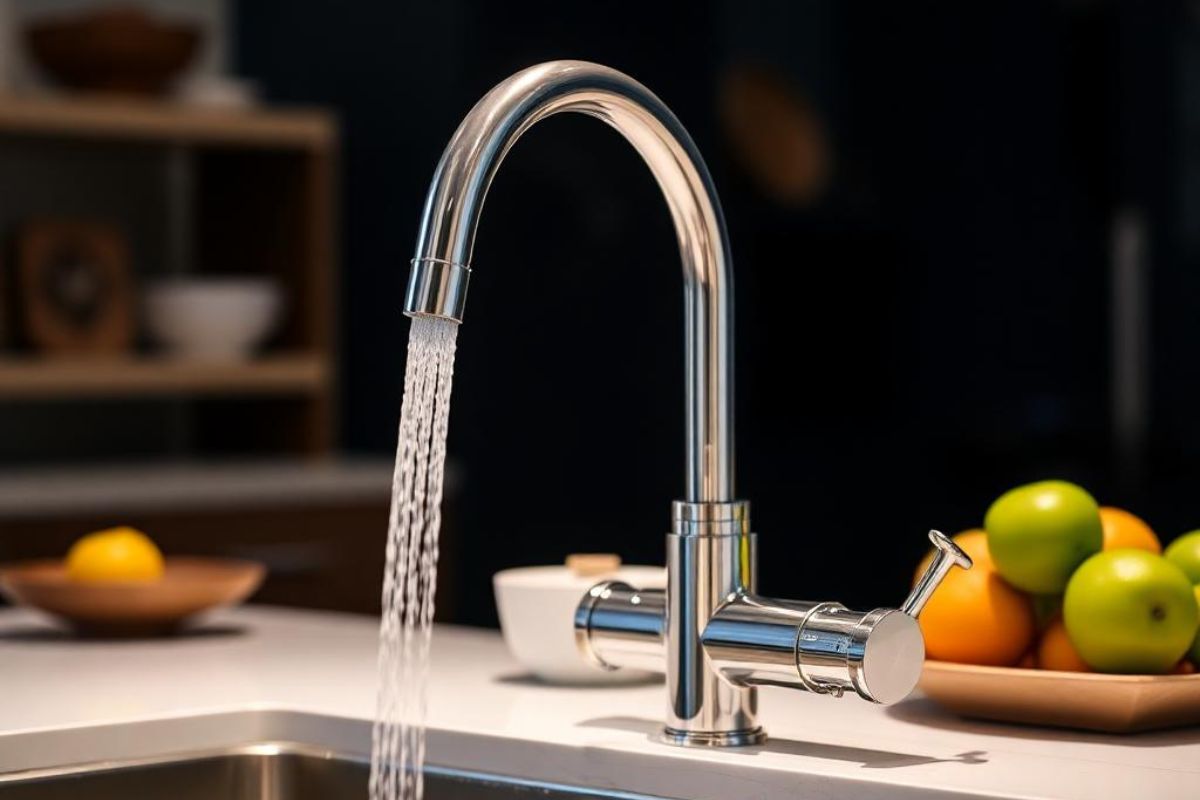
To quickly increase water pressure in your home, start by cleaning or replacing clogged faucet aerators and showerheads, and check pipes for mineral buildup or leaks. Inspect your pressure regulator and adjust it if needed—aim for 40-60 psi. Make sure no hidden leaks are sapping pressure by monitoring your water meter with all taps off. For a serious boost, consider upgrading your water pump. There are more smart, effective tweaks you can easily try next.
- Clean or replace faucet aerators and showerheads to remove mineral buildup that restricts water flow.
- Check for clogged pipes and fixtures, and clear any blockages to restore full pressure.
- Inspect and adjust the pressure regulator to ensure it’s set between 40 and 60 psi.
- Look for hidden leaks in your plumbing system that may be reducing overall water pressure.
- Upgrade to a more powerful water pump if your current system cannot meet household water demands.
Check for Clogged Pipes and Fixtures
Before making any major changes, start by checking your home’s pipes and fixtures for clogs, as these are common culprits behind low water pressure. Begin with faucets and showerheads—unscrew them and look for mineral buildup or debris. Soak removable parts in vinegar to break down deposits, then scrub them clean. If water pressure improves, you’ve found the issue.
Next, inspect aerators and screens at each tap. Remove, rinse, and reinstall them. For older homes, pipe corrosion or sediment buildup inside the pipes can restrict water flow. Check for visible leaks or damp spots on pipes, which can signal blockages or breaks. If several fixtures are affected, you might need a plumber to inspect and clear out larger pipe obstructions.
Inspect and Adjust the Pressure Regulator
If your pipes and fixtures are clear but water pressure remains low, it’s time to check your home’s pressure regulator. This device, usually found near the main water line, controls the pressure entering your home. First, locate it and check for a gauge—normal settings fall between 40 and 60 psi. If you see a lower reading, use a wrench to turn the adjustment screw clockwise to increase pressure. Make small adjustments, checking the gauge as you go. Don’t over-tighten; too much pressure can damage pipes and appliances. If you don’t have a gauge, consider installing one for accuracy. If adjusting the regulator doesn’t help, or the unit appears faulty, it may need replacing. When in doubt, consult a licensed plumber.
Clean or Replace Faucet Aerators and Showerheads
Over time, mineral deposits and debris can clog faucet aerators and showerheads, restricting water flow and lowering pressure. To fix this, start by unscrewing the aerator or showerhead. Soak it in a mixture of equal parts white vinegar and water for at least 30 minutes to dissolve buildup. Use a small brush or toothpick to remove any stubborn debris. Rinse thoroughly and reattach. If you still notice weak water flow after cleaning, consider replacing the aerator or showerhead with a new one—these parts are inexpensive and easy to install. Upgrading to a high-efficiency model can also improve performance. Routine cleaning every few months helps prevent future buildup, ensuring you maintain strong water pressure throughout your home.
.jpg)
Look for Hidden Leaks in Your Plumbing
Although you might not notice them right away, hidden leaks in your plumbing can greatly lower your home's water pressure. Even small leaks divert water from where it's needed, reducing flow at your taps and showers. To check for hidden leaks, start by turning off all water fixtures in your home. Next, read your water meter and wait two hours without using any water. If the meter reading changes, you likely have a leak somewhere in your system.
Look for signs like damp spots on walls, ceilings, or floors, and listen for hissing sounds near pipes. Examine exposed pipes for corrosion or moisture. If you find evidence of a leak, call a licensed plumber to locate and repair the issue. Addressing leaks quickly restores lost water pressure.
Upgrade to a More Powerful Water Pump
A water pump plays an essential role in maintaining strong water pressure throughout your home. If your existing pump is old, underpowered, or malfunctioning, upgrading to a more powerful model can make a significant difference. Start by evaluating your current pump's specifications and your household’s water demands. Look for a pump with a higher flow rate and pressure rating that matches your needs. You’ll also want to take into account energy efficiency and noise levels when selecting a new unit.
Before installation, consult a licensed plumber to verify compatibility with your system and local regulations. Once installed, monitor your water pressure to confirm improvement. Upgrading your water pump is one of the most effective ways to boost water pressure, especially in multi-story homes or properties with high demand.
Remove Flow Restrictors Where Safe and Legal
If you notice low water pressure at specific faucets or showerheads, check for flow restrictors that may be limiting the flow. These small plastic disks are designed to conserve water but can reduce pressure, especially in areas with already low supply. To remove a restrictor, turn off the water supply and unscrew the faucet aerator or showerhead. Look for a plastic or metal disk inside—this is the restrictor. Gently pry it out with a small tool. Reassemble the fixture and turn the water back on to test the pressure.
Be sure to check local regulations before removing restrictors, as some areas require them to conserve water. Only remove restrictors if it’s safe and legal in your location to do so.
Conclusion
Boosting your home's water pressure isn’t complicated if you know where to start. Check for clogs, clean aerators, and inspect your pressure regulator to spot easy fixes. Don’t forget to look for hidden leaks that might be wasting water. If you still need more pressure, upgrading your water pump or safely removing flow restrictors can help. With these practical steps, you’ll enjoy stronger, more reliable water flow throughout your home in no time.


.svg)
.png)
.jpg)