How to Organize Electronics in Small Living Spaces

Most compact lounges demand thoughtful layout choices since each piece must earn its spot. Gadgets, cords, remotes, game systems, along with media tools tend to pile up fast if square footage runs short. Neat arrangements lift how the area looks yet also smooth out everyday routines. Setting aside specific zones for individual things lets residents keep surfaces clear but still reach what they enjoy using. One wrong move and chaos returns.
Why Storage Planning Matters
Start by watching where gadgets live when people use them each day. Those grabbed often ought to sit close, whereas odd extras might hide in drawers. Picture the count of machines before buying shelves - some earn a fixed spot, others just pass through. Where things plug in shapes how space behaves. A charger stays put; earbuds wander. Notice habits first, then shift containers. Some screens stay, some move. Plan around motion, not myths.
Hidden cabinets tucked beside a window keep things out of sight without blocking light. Furniture built to serve more than one purpose fits better where the floor area is tight. Stuff like a TV stand with doors hide wires while showing off books or art. Setting up devices away from central spots helps them fade into corners. Arranging shelves along an empty wall adds room for objects but keeps walking paths clear.
Handling Wires And Electricity
Out of everything that clutters your space, tangled wires are often the worst. A single loose cord might seem small, yet it drags down the whole look of an otherwise tidy room. Tidy them up with simple tools like plastic clips or fabric sleeves. These little helpers hold cables close, stopping them from wandering under sofas or stretching across baseboards.
Outlets matter just as much as device placement. Close access means fewer tangled wires stretching across floors. A tidy setup simplifies checks or repairs later on. When many gadgets live near one TV, marking each cord helps avoid confusion during changes. Picking up a pen now prevents guessing games down the road.
Designated Spaces For Storage
Picking spots just for gadgets keeps them from vanishing. Chargers, remotes, or tiny tools? Always put them in the same spot. Tuck each kind into little bins, trays, or woven boxes - saves space.
A spot near your chair might hold things you grab often - like a tablet or charging cord - if there's a little table close by. Not tossed onto cushions or forgotten under papers, those bits stay ready when placed just right. Stuff lives neater that way. Ready hands find what they need without clutter taking over.
Less Digital Junk
Out of sight, those old gadgets pile up without anyone noticing. Every now and then, take a look around - some might not even power on anymore. One by one, things like that make the room feel tighter than it is. Instead of holding on, pass them along or tuck them away where they won’t clutter the view. What stays should earn its spot based on actual use. Suddenly, moving through space feels less like squeezing past junk. Order begins to emerge when only useful pieces remain.
Most people overlook how clutter slows things down. Extra cords lie coiled in drawers, forgotten remotes vanish between cushions, old gadgets collect dust on shelves. A small rule for each item helps clear the mess without thinking hard every time. Space breathes easier when only what matters stays out.
Furniture That Helps Keep Things Organized
A well-chosen piece of furniture makes it easier to manage electronic gear. Instead of cluttering surfaces, a correctly proportioned TV stand holds the screen, streaming boxes, and related tools neatly in one spot - especially useful when floor space is tight. Some versions include open ledges, pull-out trays, or hidden cubbies that shield gadgets from dust while limiting what's on display.
When the room feels tight, some furniture steps up without taking more floor area. Take a dresser - its open drawers might hold spare chargers, game pads, earbuds, or similar tiny tech bits. Picking pieces built to stash things makes better use of what space exists. Less clutter often means fewer boxes or bins must squeeze in elsewhere.
Maximizing Upward Room Usage
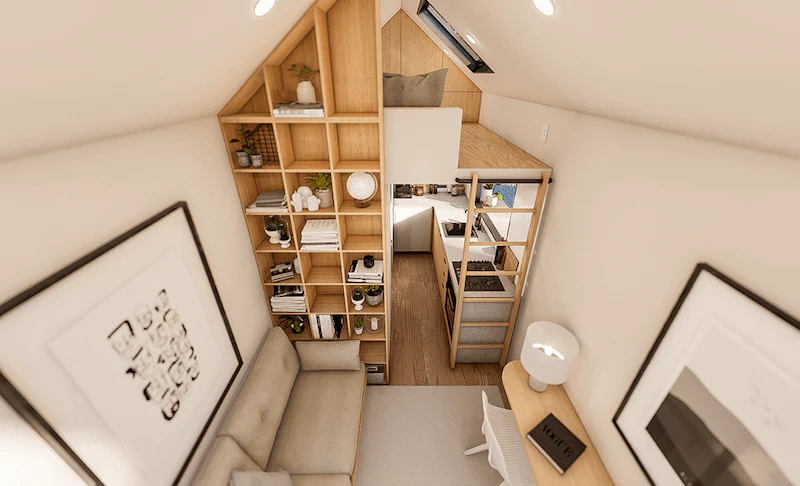
Up high, storage ideas help when floors get tight. Items climb the walls using racks or boxes fixed in place. Stuff like gadgets finds a home there instead of blocking pathways. Out of sight, things often look tidier too. Clutter steps back once pieces rise above countertops.
Hidden up top, gadgets you rarely touch stay out of the way. Meanwhile, daily tools sit right where fingers find them. A shelf or panel might block a soundbar without killing the vibe. Balance grows when clutter knows its place. Tall zones handle the extras, leaving floor level calm.
Maintaining A Simple Entertainment Setup
Open space feels better when gadgets stay minimal. One useful device often beats a crowd of them. Cleaning gets simpler once clutter steps aside. Furniture breathes easier in uncluttered corners. Value wins over volume every quiet evening.
Putting things like remotes or chargers near where you sit makes them handy every day. When something only gets used now and then - like game controllers or extra cables - it fits better inside a drawer. Stuff stays close when needed, yet out of the way all the rest. That leaves tabletops clear without hiding what matters most.
Incorporating Organization Into Home Decor
A tiny space does not mean electronics must clash with the look. Picking storage that fits your current setup keeps things flowing smoothly instead. Furniture in soft tones, pretty containers, even matching trinkets - these let gadgets slip into the background quietly. The result? A room where tech belongs without shouting about it.
A cluttered look might shrink the way a room feels. Hidden spots for gear often lead to a tidier vibe. When storage works well and blends in nicely, tech fits into daily life without disturbing the ease of the space.

Building Everyday Routines That Last
Every now then, a quick habit keeps your gadgets in check. When you finish using something, putting it back where it belongs stops mess piling up. Over days, little steps add up - like sorting cords once a week or checking what you actually still use. The space stays clear because of that steady rhythm.
Every now then, tight rooms show mess fast - so staying on top helps. Those spare moments tidying shelves add up, stopping bigger chaos later. When routines stick, gadgets stay helpful instead of becoming part of the problem.
Comfort In Small Spaces
Stuff like gadgets and cords can pile up fast in tiny spaces. Tucked away just right, they leave room to move without tripping on wires. Neat spots for each piece mean less hunting when you need something. How things look matters too - clutter hides when everything has its place. Smooth function blends with calm looks when setup makes sense.
Most of the time, tight spaces handle gadgets just fine if seating lines up with where things are stored. Thought put into what stays, what goes, shapes how smooth everything runs inside four walls. A spot meant for watching shows ends up feeling clear, useful, even warm - when every piece fits right.
Start with what fits. Cables tend to pile up unless they’re tucked away using clips or sleeves. Furniture choices matter most when drawers hide remotes, chargers, back up power strips. Stick to just the gadgets used every day - extra screens crowd corners fast. Neatness shows once things have a fixed spot. Tech works better when it stays out of sight but near enough to reach. Style does not suffer if cords stay coiled, surfaces keep clear. Space opens up around clean lines and quiet function.


.svg)
.jpg)