How to Prevent Frozen Pipes This Winter: Simple Steps to Avoid Costly Damage

.jpg)
As winter approaches, the risk of frozen pipes increases markedly, leading to potential costly damage. To safeguard your plumbing, it’s vital to implement specific preventive measures now. Insulating vulnerable areas, maintaining a consistent thermostat setting, and allowing faucets to drip can make a difference. However, recognizing the signs of impending freezing is equally important. Discover the essential steps you can take to protect your home from this winter hazard.
- Insulate vulnerable pipes in basements and attics using foam sleeves or fiberglass wrap to maintain consistent temperatures.
- Set your thermostat to at least 55°F, even when you're away, to prevent temperature drops.
- Open cabinet doors under sinks to allow warm air circulation around plumbing during extreme cold.
- Let faucets drip slightly during freezing weather to relieve pressure and reduce the chance of pipes bursting.
- Check for signs of freezing, like reduced water flow or frost on pipes, for early intervention.
Preventing Frozen Pipes: Essential Tips
When temperatures drop, frozen pipes can become a serious concern for homeowners, but there are several proactive steps you can take to prevent this issue.
First, invest in quality pipe insulation to protect vulnerable pipes, especially those located in unheated areas like basements and attics. Make sure that you cover both hot and cold water pipes to maintain consistent temperatures.
During winter preparation, keep your thermostat set to a minimum of 55°F, even when you're away. Open cabinet doors under sinks to allow warm air circulation around plumbing.
Additionally, let faucets drip slightly during extreme cold spells to relieve pressure. By implementing these strategies, you can greatly reduce the risk of frozen pipes and avoid costly repairs.
If you’re in NSW—especially around the Newcastle and Hunter region—and you’d rather have a professional check insulation weak spots, pressure changes, or early warning signs, enviromate plumbing Newcastle offers emergency callouts, blocked-drain help, pipe relining, and hot-water repairs for local properties when winter hits.
Signs Your Pipes Are About to Freeze?
Are you aware of the warning signs that indicate your pipes might be on the verge of freezing? Recognizing these early warning signs can save you from costly damage.
First, check for reduced water flow or a complete stoppage when you turn on your faucets. This can signal that ice is forming inside the pipes.
Additionally, look for frost on exposed pipes, especially in unheated areas like basements or attics.
You should also listen for unusual sounds, such as banging or clanking, which can indicate pressure build-up.
Finally, if any pipes are noticeably colder than others, that could mean they’re at risk.
Employing effective pipe insulation techniques can help mitigate these risks in the future.
How to Insulate Your Pipes Against Freezing
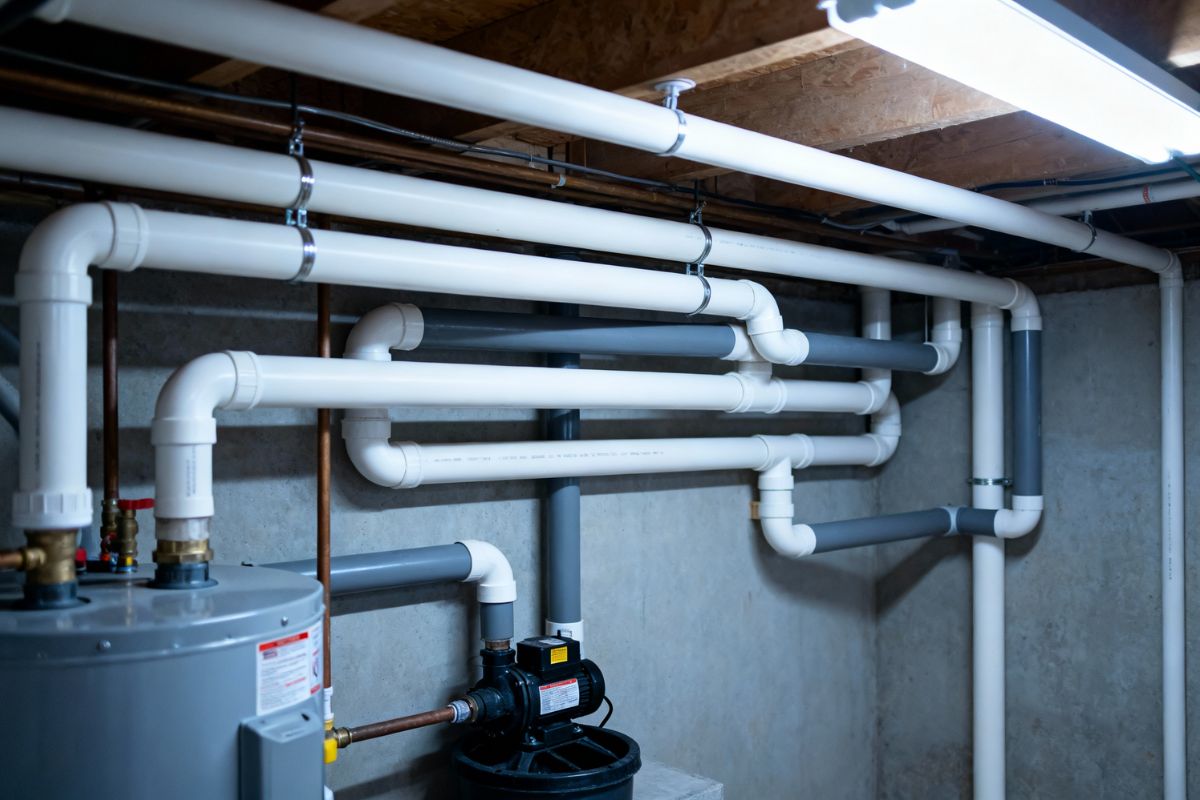
To effectively protect your pipes against freezing temperatures, proper insulation is crucial.
Start by identifying vulnerable areas, such as unheated basements or crawl spaces.
Utilize various pipe insulation techniques, like foam sleeves or fiberglass wrap, which are easy to install and highly effective.
For best results, consider insulating materials options like reflective foil or heat tape, especially for exposed pipes.
Confirm that all joints and fittings are sealed tightly, as gaps can allow cold air in.
Additionally, focus on insulating pipes in exterior walls, as these are most susceptible to freezing.
Adjusting Your Thermostat to Prevent Frozen Pipes
Insulating your pipes is just one step in preventing freezing during the cold months.
Adjusting your thermostat settings is equally essential. Keep your home’s temperature at or above 55°F, even when you’re away. This consistent warmth helps safeguard vulnerable pipes against freezing.
Consider using a smart thermostat for temperature monitoring; it allows you to track and adjust settings remotely. If you have specific areas prone to freezing, raise the temperature in those zones.
Additionally, avoid lowering your thermostat at night; fluctuations can lead to dangerous drops in temperature. By maintaining a stable environment, you’ll greatly reduce the risk of your pipes freezing and the costly damage that can follow.
Drip Your Faucets: A Simple Trick to Prevent Freezing
Dripping your faucets can be an effective strategy to prevent pipes from freezing during extreme cold. This drip strategy keeps water moving through the pipes, reducing the likelihood of ice formation.
Aim for a slow drip from both hot and cold faucets, particularly those located in unheated areas. Regular faucet maintenance is essential; verify that your faucets are functioning properly and free of leaks. A well-maintained faucet will better support this preventative measure.
Additionally, consider dripping faucets overnight when temperatures dip considerably. By implementing this simple technique, you can safeguard your plumbing system and avoid costly repairs associated with frozen pipes.
.jpg)
Seal Drafts to Protect Vulnerable Areas
Drafts can greatly increase the risk of frozen pipes, especially in areas where plumbing is exposed to cold air. To protect vulnerable areas, start by inspecting your home for drafty windows. Use weather stripping or caulk to seal any gaps, ensuring that cold air can't seep in.
Additionally, focus on your basement insulation. Properly insulated basements can greatly reduce the temperature fluctuations that lead to freezing pipes. If your basement lacks insulation, consider adding fiberglass batts or spray foam to create a barrier against the cold.
Preparing Your Pipes When You're Away for a While
When you're planning to be away from home for an extended period, taking steps to prepare your pipes is essential to prevent freezing.
Start by ensuring all exposed pipes are properly insulated with pipe insulation, which helps maintain their temperature. If you're going on vacation during particularly cold weather, consider draining your plumbing system.
Turn off the main water supply and open faucets to let any remaining water escape. Additionally, set your thermostat no lower than 55°F to keep a consistent environment in your home.
You may also want to leave cabinet doors open under sinks to allow warm air to circulate around the pipes. These proactive measures during your vacation preparation can save you from costly repairs later.
Choosing Effective Heating Solutions for Your Pipes
To effectively prevent frozen pipes, consider implementing various heating solutions that guarantee your plumbing remains at a safe temperature.
One effective method is pipe heating cables, which you can wrap around vulnerable pipes. These cables provide direct heat, ensuring that water inside remains fluid even during extreme cold.
Additionally, using quality insulation materials around your pipes can greatly reduce heat loss, further protecting against freezing. Look for materials like foam sleeves or fiberglass insulation, which are designed to maintain temperature effectively.
.jpg)
Emergency Steps If Your Pipes Freeze?
Even with the best preventive measures, frozen pipes can still occur. If you suspect your pipes are frozen, first turn off the water supply to prevent flooding when they thaw.
Inspect for visible frost or bulges in the pipes, indicating a blockage. Use emergency plumbing methods to gently thaw the pipes. Start with a hairdryer, heating pad, or towels soaked in hot water, applying heat to the affected section.
Avoid using direct flames, as they can damage the pipe. Open faucets to relieve pressure and allow water to flow once thawed.
Monitor for leaks after thawing, and consider contacting an emergency plumbing service if you're unable to resolve the issue quickly. Prompt action can minimize damage and save costs.
Year-Round Maintenance Tips for Your Plumbing System
Maintaining your plumbing system year-round is essential for preventing costly repairs and guaranteeing efficient operation.
Schedule regular plumbing inspections at least once a year to identify potential issues early. During these inspections, check for leaks, corrosion, and signs of wear in pipes and fixtures.
Implement routine maintenance by cleaning out drains and removing debris from gutters to prevent clogs. Additionally, insulate exposed pipes, especially in colder areas, to guard against freezing.
Regularly test your water pressure; excessive pressure can lead to pipe damage. Finally, verify your sump pump is functioning correctly to avoid water accumulation.
Conclusion
By following these straightforward strategies, you can greatly reduce the risk of frozen pipes this winter. Insulate vulnerable areas, maintain a consistent thermostat setting, and allow faucets to drip during severe cold spells.
Regularly monitor for signs of freezing and take proactive measures to protect your plumbing system. With proper preparation and maintenance, you’ll safeguard your home against costly damage and secure a worry-free winter. Act now to keep your pipes safe and flowing smoothly.


.svg)